

LAWSUITS NEWS & LEGAL INFORMATION
Transvaginal Mesh: From Approval and Complications to Lawsuits and Settlements
Read our Transvaginal Mesh FAQ
Were you looking for Avaulta lawsuits?
By Jane Mundy
Transvaginal mesh, also known as pelvic mesh or TVM bladder sling, has been implanted in tens of thousands of women to treat pelvic organ prolapse (POP) and stress urinary incontinence (SUI). Many of those women have suffered severe transvaginal mesh complications, resulting in more than 100,000 defective device lawsuits filed and possibly making the vaginal mesh one of the largest medical device mass torts ever. Transvaginal mesh settlements are ongoing..
Transvaginal mesh was first approved in 1996 to treat pelvic organ prolapse (POP) or stress urinary incontinence (SUI). Since that time the mesh has caused tens of thousands of women to suffer serious TVM side effects, including mesh erosion, organ perforations, and chronic infections. And severe pain. Sometimes the incontinence problem the mesh was supposed to treat worsened after implant.
Some women have undergone multiple surgeries to remove the vaginal mesh, but in some cases the damage has allegedly been permanent. Sometimes the mesh has caused irreversible damage, such as nerve damage. Often the mesh cannot all be removed. In addition to surgery, treatment of complications associated with the mesh can include IV therapy, blood transfusions and drainage of hematomas or abscesses.
Transvaginal mesh is typically made of polypropylene, a synthetic material that has caused chronic foreign body reaction in many patients. This reaction begins with inflammation causing degradation of mesh and further leads to chronic infections.
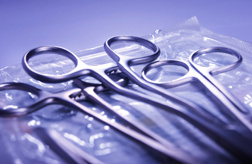 The decision to implant mesh vaginally--such as a TVT sling procedure-- rather than inserting the mesh through abdominal incisions was never backed by clinical trials: the FDA did not require transvaginal mesh manufacturers to conduct studies on mesh products in humans before they were implanted.
The 501K clearance process costs manufacturers a user fee of $4,049, payable to the FDA. The mesh was “fast tracked “and products allowed onto the market without any advance safety testing due to a 1976 law. It classified medical devices into three risk categories, with clinical data required only for devices in the highest-risk category, Class III. TVM was classified Class II.
1970-1996: Surgeons use the mesh abdominally—not vaginally-- to repair POP and SUI.
1996: ProtoGen Sling, the first transvaginal mesh sling device - manufactured by Boston Scientific for the surgical treatment of SUI—is approved through the 510(k) premarket program.
1999: ProtoGen is recalled after the FDA found the device had a “higher than expected rate of vaginal erosion” and did “not appear to function as intended.” Many of the mesh devices on the market today are alleged to have been approved—and not recalled—based on this defective product.
2002: Gynemesh PS, made by Johnson & Johnson’s Ethicon unit, is the first mesh approved for POP repair.
2004: The FDA approves transvaginal mesh "kits" to be implanted vaginally. The kits are marketed as “risk-free” solutions for SUI and POP.
2005: In the Obstetrics & Gynecology Journal safety reviewers found that more than 15 percent of transvaginal mesh patients experienced mesh erosion, which often results in pain and infections. The study concluded that surgeons should be aware of the potential complications of synthetic meshes and “Until data on the safety and efficacy of the intravaginal slingplasties are available, these procedures cannot be recommended.”
2008: FDA alerts the public that TVM mesh surgeries have resulted in serious complications and even death but that complications are rare.
July 2011: FDA upgrades its warning after receiving reports of serious complications and injuries. It now says that complications are not rare and that TVM carried more risks than other surgical options.
August 2011: Consumer advocacy group Public Citizen petitions the FDA to take transvaginal mesh off the market, called it “a ‘poster-child’ example of the fundamental failure ... to protect the public’s health and welfare.”
September 2011: FDA Advisory Obstetrics-Gynecology Devices Panel suggests that TVM implants be reclassified from moderate risk to high risk (Class III), which would mean that manufacturers would have to conduct studies based on human testing.
2012: FDA orders transvaginal mesh manufacturers to study and research the risks associated with their products safety and effectiveness.
2013: FDA issues 95 post-market study orders to 34 manufacturers of POP mesh products and 14 orders to 7 manufacturers of SUI mesh.
C.R. Bard is found negligent in its handling of TVM: it didn’t properly test the products (Avaulta) before putting them on the market. Johnson & Johnson’s Ethicon unit stops selling four lines of vaginal mesh devices and issues an Ethicon transvaginal mesh recall of its Gynecare line of TVM products, though the company maintains that the recall is not safety related.
2014: FDA proposes two orders for transvaginal mesh POP repair to address the risks involved. Once final, manufacturers will be required to provide clinical data in a premarket approval (PMA) application to support the safety and effectiveness of surgical mesh for transvaginal POP. If the orders are finalized and the mesh reclassified as a high-risk device, manufacturers will be required to submit a PMA (510k) application.
2016: FDA reclassifies transvaginal mesh products to treat POP only as Class III “High Risk Devices.” The FDA requires manufacturers to submit a PMA application to support the safety and effectiveness of surgical mesh for the transvaginal repair of POP. Some advocacy groups, such as Public Citizen’s Health Research Group, criticize the FDA for allowing transvaginal mesh on the market. Based on the timeline for the new orders, devices that advocates say are potentially harmful will be able to stay on the market until at least 2018 - almost 10 years after serious complications with transvaginal mesh were first reported.
July 2016: Boston Scientific adds new safety labels to its pelvic meshes and slings, saying they are considered permanent implants and that removal can be complicated or impossible.
July 2018: Deadline for transvaginal mesh manufacturers to submit a PMA application for their devices.
More than 100,000 lawsuits have been filed against the makers of transvaginal mesh devices alleging the medical devices were defectively designed and caused serious complications. Transvaginal mesh lawsuits claim that Manufacturers/Companies:
Some lawsuits have been settled or resulted in awards to the plaintiffs, but many claims are still pending. Over 40,000 lawsuits (about 75 percent) have been filed in West Virginia federal court including seven federal multidistrict litigations (MDLs) overseen by Chief Judge Joseph R. Goodwin. The rest are in state courts. Companies involved in the MDL’s include: C.R. Bard; Ethicon Inc. (Johnson & Johnson); American Medical Systems; Coloplast Corp.; Boston Scientific Group; and Cook Medical Inc.
The majority of verdicts have found in favor of victims, some of which have led to multimillion-dollar settlements. Despite Judge Goodwin warning device makers to cut their losses and urging them to settle outstanding claims, avoid massive court costs and even more losses, a few mesh manufacturers such as J&J had been reluctant to settle. Other companies opted to settle cases before trial.
American Medical Systems faces approximately 46,000 lawsuits in MDL 2325. AMS was the first transvaginal mesh manufacturer to resolve its product liability cases and closed its unit that sells the devices.
To date, AMS is the only company to offer large-scale settlements to end transvaginal mesh litigation. In June 2013, American Medical Systems’ parent company, Endo Health Solutions, agreed to pay $54 million to settle an undisclosed number of mesh lawsuits, and an additional $830 million in 2014. Those settlements typically involve women who have undergone one revision surgery or no revision surgeries to repair damage allegedly caused by the mesh. Women who have undergone two or more revision surgeries have not been included in the settlements so far.
Endo International acquired AMS in 2011. Endo has agreed to pay out roughly $1.5 billion to settle most of the cases claiming injuries from its vaginal mesh devices, which include the Perigee, Apogee and Elevate implants. The company has stopped making AMS transvaginal mesh.
Some of 36,000 product liability cases against Boston Scientific have gone to trial. The first federal bellwether trial to go to court resulted in an $18.5 million award to four TVM victims in November 2014. The previous month saw an award of $26.7 million against Boston Scientific regarding its Pinnacle mesh device.
A Boston Scientific settlement in September 2014 totalled $73.4 million in its Obtryx transvaginal sling lawsuit, later reduced to $34 million. Three months later a jury awarded four women a total of $18.5 million and a jury in Florida awarded another four women $26.7 million. As a result of these huge jury verdicts, Boston Scientific has moved to settle remaining cases but still faces approximately 20,000 mesh lawsuits.
The Danish medical device manufacturer Coloplast faces about 2,000 vaginal mesh lawsuits in a consolidated federal multidistrict litigation. In 2014 a $16 million settlement was reached between Coloplast and about 400 vaginal mesh plaintiffs.
New Jersey-based C.R. Bard currently faces around 10,000 in MDL 2187. Lawsuits filed against Bard involve the Avaulta transvaginal mesh. Bard is the most recent of many transvaginal mesh settlements. The company agreed to pay more than $200 million to settle 3,000 cases by women injured by Avaulta. Experts predict that most women will take the money, which works out to about $67,000 per case, rather than wait for a trial date.
A series of trials involving Bard’s Avaulta lawsuits began in mid-2013. In the first case, a jury awarded the plaintiff $2 million in damages, including punitive damages. During the first day of trial in the second case, an agreement to settle was reached, avoiding another potentially substantial jury award. The third case was also settled shortly before trial was set to begin. The company has moved to settle some of the vaginal mesh lawsuits that it faces, but more than 10,000 cases remain unresolved.
In its second large-scale mesh settlement, Bard agreed to pay more than $200 million ($67,000 per case) in August 2015 to resolve an estimated 3,000 cases. Legal experts said that the payout was made to avoid a string of multi-million dollar verdicts that could lead to bankruptcy for Bard. In October 2014 Bard agreed to pay more than $21 million to settle over 500 mesh lawsuits, averaging $43,000 per claim.
In April 2016 Judge Joseph Goodwin dismissed nearly 150 product liability lawsuits brought against Bard with prejudice, meaning they cannot be appealed, writing that “all claims have been compromised and settled,” according to court documents. Terms of the settlements were not disclosed.
Johnson & Johnson subsidiary, Ethicon faces 33,000 lawsuits in MDL 2327. Ethicon makes the Gynecare mesh products. In early 2014, Ethicon came under fire for negligently destroying thousands of documents related to the development of some of its vaginal mesh products.
In 2013, a jury ordered Ethicon to pay $11.11 million to Linda Gross for her injuries—she underwent 18 revision surgeries. Unfortunately, revision surgery doesn’t guarantee that all symptoms will disappear. In September 2014, a plaintiff was awarded more than $3 million in her lawsuit against Ethicon. In March 2015, Ethicon was ordered by pay $5.7 million to plaintiff Coleen Perry, who suffered severe complications after being implanted with its TVT Abbrevo vaginal sling .
By January 2016 and after a number of plaintiff awards, J&J agreed to pay $120 million to settle 2,000-3,000 mesh lawsuits. A regulatory filing at the time showed that J&J still faced more than 42,000 mesh cases. In April a $5 million settlement recently became public, divulging how much it could cost to resolve the claims.
Medtronic Inc., bought Covidien Plc in 2014 in an effort to help it compete with Johnson & Johnson. In a June 2015 SEC filing the company said that its Covidien unit was involved in nearly 11,500 mesh lawsuits. Covidien supplied the mesh to Bard, and was also included in the dismissals with Bard in 2016 (above). Medtronic set aside $180 million in 2015 to settle an undisclosed number of mesh cases.
Mentor O.B Tape vaginal sling was removed from the market in 2006 due to a design defect, just three years after its approval. After several years of litigation settlements have been reached in most Mentor OB Tape lawsuits, including a $4.4 million jury award to Florida resident Tessa Taylor in February 2016.
Neomedic International, a Spanish medical device maker, faces around 130 mesh lawsuits as part of a federal mass tort centralized in West Virginia. The company in December 2015 paid $2.19 million to settle an undisclosed number of mesh lawsuits.
Lawsuits have been filed against Tissue Fixation System (TFS), a pelvic mesh tape that is used to treat Pelvic Organ Prolapse (POP). The lawsuits allege that TFS Manufacturing Pty and TFS Surgical (US) aggressively marketed their Tensioned Mini-Sling with Anchors while exaggerating the product's safety.
The number of transvaginal mesh lawsuits has now increased to more than 100,000 in the United States, and more than 135,000 worldwide. Given the number of injured women and subsequent lawsuits, it’s likely a matter of time until these mesh devices are permanently taken off the market.
Last updated on
En Español MALLA TRANSVAGINAL
FREE TRANSVAGINAL MESH LAWSUIT EVALUATION
Send your Transvaginal Mesh claim to a lawyer who will review your claim at NO COST or obligation.
GET LEGAL HELP NOW
GET LEGAL HELP NOW
Transvaginal Mesh Complications
Some women have undergone multiple surgeries to remove the vaginal mesh, but in some cases the damage has allegedly been permanent. Sometimes the mesh has caused irreversible damage, such as nerve damage. Often the mesh cannot all be removed. In addition to surgery, treatment of complications associated with the mesh can include IV therapy, blood transfusions and drainage of hematomas or abscesses.
Transvaginal mesh is typically made of polypropylene, a synthetic material that has caused chronic foreign body reaction in many patients. This reaction begins with inflammation causing degradation of mesh and further leads to chronic infections.
Transvaginal Mesh Approval
The decision to implant mesh vaginally--such as a TVT sling procedure-- rather than inserting the mesh through abdominal incisions was never backed by clinical trials: the FDA did not require transvaginal mesh manufacturers to conduct studies on mesh products in humans before they were implanted.The 501K clearance process costs manufacturers a user fee of $4,049, payable to the FDA. The mesh was “fast tracked “and products allowed onto the market without any advance safety testing due to a 1976 law. It classified medical devices into three risk categories, with clinical data required only for devices in the highest-risk category, Class III. TVM was classified Class II.
Transvaginal Mesh and FDA Timeline
1996: ProtoGen Sling, the first transvaginal mesh sling device - manufactured by Boston Scientific for the surgical treatment of SUI—is approved through the 510(k) premarket program.
1999: ProtoGen is recalled after the FDA found the device had a “higher than expected rate of vaginal erosion” and did “not appear to function as intended.” Many of the mesh devices on the market today are alleged to have been approved—and not recalled—based on this defective product.
2002: Gynemesh PS, made by Johnson & Johnson’s Ethicon unit, is the first mesh approved for POP repair.
2004: The FDA approves transvaginal mesh "kits" to be implanted vaginally. The kits are marketed as “risk-free” solutions for SUI and POP.
2005: In the Obstetrics & Gynecology Journal safety reviewers found that more than 15 percent of transvaginal mesh patients experienced mesh erosion, which often results in pain and infections. The study concluded that surgeons should be aware of the potential complications of synthetic meshes and “Until data on the safety and efficacy of the intravaginal slingplasties are available, these procedures cannot be recommended.”
2008: FDA alerts the public that TVM mesh surgeries have resulted in serious complications and even death but that complications are rare.
July 2011: FDA upgrades its warning after receiving reports of serious complications and injuries. It now says that complications are not rare and that TVM carried more risks than other surgical options.
August 2011: Consumer advocacy group Public Citizen petitions the FDA to take transvaginal mesh off the market, called it “a ‘poster-child’ example of the fundamental failure ... to protect the public’s health and welfare.”
September 2011: FDA Advisory Obstetrics-Gynecology Devices Panel suggests that TVM implants be reclassified from moderate risk to high risk (Class III), which would mean that manufacturers would have to conduct studies based on human testing.
2012: FDA orders transvaginal mesh manufacturers to study and research the risks associated with their products safety and effectiveness.
2013: FDA issues 95 post-market study orders to 34 manufacturers of POP mesh products and 14 orders to 7 manufacturers of SUI mesh.
C.R. Bard is found negligent in its handling of TVM: it didn’t properly test the products (Avaulta) before putting them on the market. Johnson & Johnson’s Ethicon unit stops selling four lines of vaginal mesh devices and issues an Ethicon transvaginal mesh recall of its Gynecare line of TVM products, though the company maintains that the recall is not safety related.
2014: FDA proposes two orders for transvaginal mesh POP repair to address the risks involved. Once final, manufacturers will be required to provide clinical data in a premarket approval (PMA) application to support the safety and effectiveness of surgical mesh for transvaginal POP. If the orders are finalized and the mesh reclassified as a high-risk device, manufacturers will be required to submit a PMA (510k) application.
2016: FDA reclassifies transvaginal mesh products to treat POP only as Class III “High Risk Devices.” The FDA requires manufacturers to submit a PMA application to support the safety and effectiveness of surgical mesh for the transvaginal repair of POP. Some advocacy groups, such as Public Citizen’s Health Research Group, criticize the FDA for allowing transvaginal mesh on the market. Based on the timeline for the new orders, devices that advocates say are potentially harmful will be able to stay on the market until at least 2018 - almost 10 years after serious complications with transvaginal mesh were first reported.
July 2016: Boston Scientific adds new safety labels to its pelvic meshes and slings, saying they are considered permanent implants and that removal can be complicated or impossible.
July 2018: Deadline for transvaginal mesh manufacturers to submit a PMA application for their devices.
Transvaginal Mesh Lawsuits and Settlements
- misled the FDA, medical community and the public at large regarding the safety and efficacy of transvaginal products
- failed to conduct appropriate testing and research to determine risks of surgical mesh used for female pelvic disorders
- concealed knowledge that their products could cause permanent and debilitating injuries
- had a legal duty to insure the safety and effectiveness of their products but provided false and misleading information
- failed to establish methods that are safe and effective for removal of transvaginal mesh implants
Some lawsuits have been settled or resulted in awards to the plaintiffs, but many claims are still pending. Over 40,000 lawsuits (about 75 percent) have been filed in West Virginia federal court including seven federal multidistrict litigations (MDLs) overseen by Chief Judge Joseph R. Goodwin. The rest are in state courts. Companies involved in the MDL’s include: C.R. Bard; Ethicon Inc. (Johnson & Johnson); American Medical Systems; Coloplast Corp.; Boston Scientific Group; and Cook Medical Inc.
The majority of verdicts have found in favor of victims, some of which have led to multimillion-dollar settlements. Despite Judge Goodwin warning device makers to cut their losses and urging them to settle outstanding claims, avoid massive court costs and even more losses, a few mesh manufacturers such as J&J had been reluctant to settle. Other companies opted to settle cases before trial.
American Medical Systems/ Endo Health Solutions
To date, AMS is the only company to offer large-scale settlements to end transvaginal mesh litigation. In June 2013, American Medical Systems’ parent company, Endo Health Solutions, agreed to pay $54 million to settle an undisclosed number of mesh lawsuits, and an additional $830 million in 2014. Those settlements typically involve women who have undergone one revision surgery or no revision surgeries to repair damage allegedly caused by the mesh. Women who have undergone two or more revision surgeries have not been included in the settlements so far.
Endo International acquired AMS in 2011. Endo has agreed to pay out roughly $1.5 billion to settle most of the cases claiming injuries from its vaginal mesh devices, which include the Perigee, Apogee and Elevate implants. The company has stopped making AMS transvaginal mesh.
Boston Scientific
A Boston Scientific settlement in September 2014 totalled $73.4 million in its Obtryx transvaginal sling lawsuit, later reduced to $34 million. Three months later a jury awarded four women a total of $18.5 million and a jury in Florida awarded another four women $26.7 million. As a result of these huge jury verdicts, Boston Scientific has moved to settle remaining cases but still faces approximately 20,000 mesh lawsuits.
Coloplast
C.R. Bard
A series of trials involving Bard’s Avaulta lawsuits began in mid-2013. In the first case, a jury awarded the plaintiff $2 million in damages, including punitive damages. During the first day of trial in the second case, an agreement to settle was reached, avoiding another potentially substantial jury award. The third case was also settled shortly before trial was set to begin. The company has moved to settle some of the vaginal mesh lawsuits that it faces, but more than 10,000 cases remain unresolved.
In its second large-scale mesh settlement, Bard agreed to pay more than $200 million ($67,000 per case) in August 2015 to resolve an estimated 3,000 cases. Legal experts said that the payout was made to avoid a string of multi-million dollar verdicts that could lead to bankruptcy for Bard. In October 2014 Bard agreed to pay more than $21 million to settle over 500 mesh lawsuits, averaging $43,000 per claim.
In April 2016 Judge Joseph Goodwin dismissed nearly 150 product liability lawsuits brought against Bard with prejudice, meaning they cannot be appealed, writing that “all claims have been compromised and settled,” according to court documents. Terms of the settlements were not disclosed.
Ethicon/Johnson & Johnson
In 2013, a jury ordered Ethicon to pay $11.11 million to Linda Gross for her injuries—she underwent 18 revision surgeries. Unfortunately, revision surgery doesn’t guarantee that all symptoms will disappear. In September 2014, a plaintiff was awarded more than $3 million in her lawsuit against Ethicon. In March 2015, Ethicon was ordered by pay $5.7 million to plaintiff Coleen Perry, who suffered severe complications after being implanted with its TVT Abbrevo vaginal sling .
By January 2016 and after a number of plaintiff awards, J&J agreed to pay $120 million to settle 2,000-3,000 mesh lawsuits. A regulatory filing at the time showed that J&J still faced more than 42,000 mesh cases. In April a $5 million settlement recently became public, divulging how much it could cost to resolve the claims.
Medtronic/Covidien
Mentor O.B. Tape
Neomedic
Tissue Fixation System (TFS)
The number of transvaginal mesh lawsuits has now increased to more than 100,000 in the United States, and more than 135,000 worldwide. Given the number of injured women and subsequent lawsuits, it’s likely a matter of time until these mesh devices are permanently taken off the market.
Transvaginal Mesh Legal Help
If you or a loved one has suffered damages in a Transvaginal Mesh case, please click the link below and your complaint will be sent to a Medical Device lawyer who may evaluate your claim at no cost or obligation.Last updated on
TRANSVAGINAL MESH LAWSUITS
- Tissue Fixation System allegedly causing serious complications
- Boston Scientific Transvaginal Mesh Lawsuit Informationalleging device was defectively designed and improperly tested
- Malla Transvaginal TVT Procedimiento Sling La FDA ha recibido numerosos informes negativos con respecto a los dispositivos de malla transvaginal.....
- Johnson & Johnson Gynecare Mesh
- AMS Transvaginal Mesh alleging AMS TVM surgery can cause transvaginal mesh complications and side effects.
- Avaulta alleging Bard Avaulta mesh system may cause serious side effects.
- Mentor OB Tape vaginal sling can allegedly various problems and even permanent injury.
TRANSVAGINAL MESH LEGAL ARTICLES AND INTERVIEWS
The FDA Pulls (Most) Vaginal Mesh Products off the Market – Now What?
Multidistrict Surgical Mesh Lawsuit Awards and Settlements Approach $11 Billion

Indiana Woman Wins $35 Million in Johnson & Johnson Transvaginal Mesh Lawsuit

May 22, 2019
The FDA has finally ordered the last two medical device companies selling transvaginal mesh products to pull them from the market. The agency said it is “committed to patient safety” but hundreds of thousands of women –victims of surgical mesh--would disagree. And the lawsuits are still pouring in. READ MORE
Multidistrict Surgical Mesh Lawsuit Awards and Settlements Approach $11 Billion
March 13, 2019
As the nation’s largest mass tort product liability lawsuit winds to a close, those who have suffered from surgical mesh complications and their attorneys are pausing to take stock. Not everyone is happy. READ MORE
Indiana Woman Wins $35 Million in Johnson & Johnson Transvaginal Mesh Lawsuit
March 18, 2018
Chicago, ILOn the advice of her doctor, Barbara Kaiser had Prolift pelvic mesh implanted in 2009 to treat her pelvic organ prolapse. She then began to suffer from low pelvic pain. It was only years later that she learned that this was likely a transvaginal mesh complication. Her doctor never told her about this and he, himself, claims to have not been aware of all of the risks, including the danger of severe and irreversible injury to his patients. READ MORE
MORE TRANSVAGINAL MESH LEGAL NEWS
- Not Too Late for Transvaginal Mesh Lawsuit
- Transvaginal Mesh Victim calls Implant the “Alien Thing”
- Court Documents Reveals J&J Transvaginal Mesh Marketed Ahead of Competitors “Priceless”, Causing Outrage Overseas
- Transvaginal Mesh “Like Being Cut with a Cheese Wire”
READ MORE Drugs/Medical Settlements and Legal News
READ MORE Personal Injury Settlements and Legal News
READ MORE Personal Injury Settlements and Legal News
READER COMMENTS
Dianne Aubin
on
Rose
on
Robin DLouhy
on
My attorney supposedly came to an agreement with Bard, however, I still have not received anything in writing to confirm the agreement and the compensation.
I am concerned my attorney has not represented me in an acceptable manner.
Can I secure another attorney?
Michelle Jamieson
on
south carolina
on
Debbie J
on
The hideous head scratcher:
Regardless of the manufacturer's name, the multiple injuries, the suffering of the women involved with these class action monetary awards.... We each will be lucky to be paid $50 or less... someday.
One more slap in the face.
Missouri
on
shawn C.
on
Lori
on
I was told that no other specialist but a Urogynecologist should be messing with the mesh. Not all specialist are trained to remove this type of mesh and since it has decided to became a part of us. It needs to be treated with kid gloves.
I have heard of one of these specialist in the Orlando florida area that Im looking at very closely to get mine removed, but Im gun shy so I will be doing a lot of research!
Thanks FDA for making our lives like a living hell! You knew there was not enough research being done on this and you put it out anyway! And still have it out on the shelves with a warning label??? REALLY!!!!
The manufactures should just have the same surgery as ours being told as they told the doctors how great it is and will make like so easier and see what hell they have to live with.
Better yet just ask them if they would put one inside their body! I guarantee you they would say no!!!
LA. Wife
on
susan Drysdale
on
After that surgery, I had so many problems. I never stopped bleeding. I was bleeding through my rectum, I always hurt during sex. I kept having to go back to Dr S because there was one place that she kept saying that just would not heal. She would cauterize it. Finally after about 1 1/2 I finally went to another Dr because it seemed I just was not getting any help from her. This new Dr removed it right away. That was in I think 2009/2010.
To this day I still bleed from a spot that has not healed. I have over the yrs had that same spot cauterized to no avail. I was told last year there isn't any skin in that area left to cauterized. I made an appt last week with another Dr, she said she think she sees a piece of mesh still left, so I have an appt for next month set up to have it looked at. So this has been going on for 7 yrs.
Anonymous
on
Illinois
on
Georgia
on
Anonymous
on
\MY MESH SLING WAS MADE BY JOHNSON&JOHNSON, THEY SHOULD BE HELD ACCOUNTABLE FOR RUINGING THE LIVES OF THOUSANDS OF WOMEN. FROM WHAT I UNDERSTAND THE CEO'S OF THIS COMPANY WERE AWARE OF THE RISKS INVOLVED IN THIS MESH BUT PUT IT ON THE MARKET ANYWAY.
Anonymous
on
This has been an emotional and physical nightmare. it is the biggest regret of my life because it cannot be undone, it will be a problem the rest of my life. The FDA should not allow such a high risk device to be put in the human body, anyone who has the sling is never out of danger.
Anonymous
on
Anonymous
on
Illinois
on
Ontario
on
West Virginia
on
California
on
British Columbia
on
Michigan
on
South Carolina
on