

LAWSUITS NEWS & LEGAL INFORMATION
Asbestos & Mesothelioma Lawsuits
Read our Asbestos Mesothelioma FAQ
Were you looking for Asbestos Drilling Mud lawsuits?
By Jane Mundy
Asbestos mesothelioma is a fatal asbestos cancer involving the mesothelium, a protective lining that encloses most of the body's internal organs. The only known cause of mesothelioma seems to be exposure to asbestos particles in the air. The time between exposure and the appearance of symptoms can be as long as 20 to 50 years.
Asbestos Health Threat
Asbestos Still in Use
Primary Asbestos Exposure
Secondary Asbestos Exposure
Asbestos Respirators
Asbestosis
Asbestos Mesothelioma FAQ
If you suspect that you might have an asbestos mesothelioma case, it's best to first ensure you follow these steps in preparation for meeting with an asbestos mesothelioma attorney:
1. Get a clear diagnosis which ideally includes a tissue biopsy; or get a copy of the medical records and diagnostic documents from your loved one' physicians.
2. Prepare a will. If you, yourself, are a victim of asbestos mesothelioma, it' best to prepare a will that stipulates which law firm is to represent your case. While no one likes to think of these things, the executor of your will may ultimately need to work with this law firm. Better to identify your law firm rather than risk having multiple lawyers getting involved in the case as a result of various family members seeking to find counsel on your behalf.
3. Write down when and where you believe you or your loved one was exposed to asbestos.
4. Write down the name of the company or companies you or your loved one worked for, even if you or your loved one worked as a contractor.
5. Write down the names of fellow workers that knew there may have been asbestos on the job site(s).
6. Contact an asbestos mesothelioma lawyer. If you have not already done so, you should meet with an asbestos lawyer and bring all supporting documentation with you.
7. Have the lawyer prepare an affidavit of critical facts for preserving your case.
If you have been diagnosed with asbestos disease, there' a good chance that your colleagues will also have been exposed. They may even have contacted a lawyer already, and be familiar with the process. If possible, reach out to your former colleagues to find out how they are and what, if anything they may have done or be doing, and if they will support you in your claim.
If you are a spouse of a mesothelioma victim who has recently died from the illness, you and your heirs could have between one to three years from the date of death to file a wrongful death action, which may result in the recovery of substantial monetary damages.
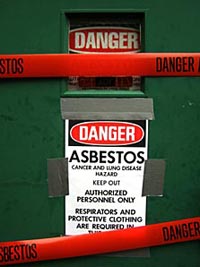 Asbestos can pose a serious health threat when disturbed or when it begins to deteriorate and asbestos fibers are released into the air and inhaled. To date, companies which have exposed their employees to asbestos have faced thousands of lawsuits and settled hundreds of millions in damages.
Asbestos is mainly used as an insulating material – it is a very effective fire retardant material, hence its use to insulate boilers, pipes, and fire doors; it's used in roofing and many construction materials, and in electrical fittings.
The types of work environments where you are most likely to encounter asbestos include mines, shipyards, railroads, power plants, and construction sites.
Workers who may be at risk for asbestos exposure include, but are not limited to:
Asbestos mesothelioma doesn't just affect the people working with it directly. Recently the medical profession has started to recognize that people can be affected by asbestos-caused diseases through secondary or passive exposure.
For example, cases of second-hand asbestos exposure were recently been reported by wives and children of men who worked in the shipyards in World War II. The workers were exposed to large amounts of damaged or "friable" asbestos while on the job, and their wives became came ill following exposure to asbestos fibers that had become lodged in the workers' clothing. Over the years, the constant inhalation of these fibers resulted in the development of asbestos-related diseases.
In the Community
Secondary asbestos exposure is also possible by living in a community or area located near an asbestos mine or a company that manufactures asbestos or products containing asbestos. Many older buildings may also contain asbestos insulation, including schools.
Perhaps the most famous victims of community contamination in North America are the residents of Libby, Montana, an asbestos-mining town. Vermiculite, which naturally contains asbestos, was mined there between 1923 and 1991. Workers and families of workers who lived in the town sued W.R. Grace, the last company to own the mine. At one point the company reportedly faced 110,000 lawsuits for sickening hundreds of people and contributing to the deaths of 225—allegedly with full knowledge.
Other examples of community exposure include the World Trade Center site after the terrorist attacks of September 11, 2001, and areas prone to damage from natural disasters like Hurricane Katrina.
Because mesothelioma affects the pleura, or the membranes that surround almost all of your internal organs, pain or swelling in the chest or the abdomen could be a symptom of mesothelioma.
You are warned to contact your doctor if you experience any of these symptoms. If you have been exposed to asbestos fibers in the past you should make your doctor aware of that as well.
Workers in the asbestos industry would have to be made aware of harmful asbestos exposure if they were given safety and protective gear, i.e., asbestos respirators. In many cases, the employer knew about asbestos exposure but failed to warn of the hazards, including asbestosis and mesothelioma.
For example, a forklift driver who worked with asbestos was never issued a respirator. In another case, a drilling rig worker was constantly exposed to asbestos drilling mud without any safety gear except for a handkerchief. "Failure to warn"is a main contention of litigation against the asbestos industry.
Other lawsuits pertain to defective respiratory protection. Countless lives could have been saved if asbestos respirators actually protected workers from breathing asbestos fibers. Some asbestos lawsuits have shown that employers failed to warn for economic reasons, such as the cost of asbestos respirators.
Currently, defendants in asbestos litigation include manufacturers whose products contain no asbestos and did not affect a plaintiff' exposure to asbestos, such as 3M Company. For more than two decades the 3M Company has been the target of about 400,000 lawsuits over its dust mask, which was used as an asbestos respirator, alleging the product is defective. Other respirator manufacturers have also been accused of marketing defective masks, even though they were approved by the National Institute for Occupational Safety and Health (NIOSH). American Optical has been named in more than140,000 lawsuits claiming their defective asbestos respirators contributed to, or were responsible for, asbestos-related diseases on workers who were unaware that they wore faulty protective masks.
Faulty (e.g., leaks because it doesn't fit the user' face properly) asbestos respirators are worse than not having one at all because workers falsely believe they are safe from asbestos exposure and can thereby further put themselves in harm' way.
Faulty equipment and/or not even given asbestos respirators are still an issue. In 2007, Maryland state officials ordered a 'halt to work' when a contractor licensed in asbestos removal had exposed up to 20 workers to asbestos without any protective gear. A Worker' Compensation Report in May 2009 found that firefighters may not be completely protected from hazardous substances such as asbestos due to inadequate protective equipment.
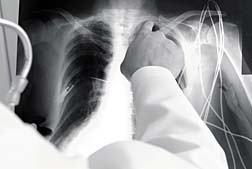 Asbestosis is a chronic inflammatory lung disease that is caused only by inhaling asbestos fibers. Although it is not a type of cancer, asbestosis is a serious and life-threatening disease because it can lead to asbestos lung cancer and mesothelioma. The chances of getting asbestosis increase as the level and duration of exposure to asbestos increases, and anyone who has come in contact with asbestos is at risk for developing asbestosis. Symptoms of asbestosis rarely occur less than 10 years following first exposure to asbestos fibers and are more common after 20 years or more, therefore making it even more difficult to file a lawsuit by yourself.
Many reports have proven that corporations, asbestos makers and industry members had knowledge of the dangers of asbestos and its link to asbestos-related illnesses since the 1930s. An asbestosis lawyer can bring about a suit against multiple asbestos employers and asbestos manufacturers.
Last updated on
En Español ASBESTOS MESOTELIOMA
FREE ASBESTOS MESOTHELIOMA LAWSUIT EVALUATION
Send your Asbestos Mesothelioma claim to a lawyer who will review your claim at NO COST or obligation.
GET LEGAL HELP NOW
GET LEGAL HELP NOW
Asbestos Still in Use
Primary Asbestos Exposure
Secondary Asbestos Exposure
Asbestos Respirators
Asbestosis
Asbestos Mesothelioma FAQ
Asbestos Health Threat
Exposure to asbestos fibers has been linked to asbestos cancer, asbestosis (scarring of the lungs that restricts breathing), asbestos mesothelioma (cancer of the lining of the chest cavity), and silicosis. The chances of getting an asbestos-related illness increase as the level and duration of exposure to asbestos increases.If you suspect that you might have an asbestos mesothelioma case, it's best to first ensure you follow these steps in preparation for meeting with an asbestos mesothelioma attorney:
1. Get a clear diagnosis which ideally includes a tissue biopsy; or get a copy of the medical records and diagnostic documents from your loved one' physicians.
2. Prepare a will. If you, yourself, are a victim of asbestos mesothelioma, it' best to prepare a will that stipulates which law firm is to represent your case. While no one likes to think of these things, the executor of your will may ultimately need to work with this law firm. Better to identify your law firm rather than risk having multiple lawyers getting involved in the case as a result of various family members seeking to find counsel on your behalf.
3. Write down when and where you believe you or your loved one was exposed to asbestos.
4. Write down the name of the company or companies you or your loved one worked for, even if you or your loved one worked as a contractor.
5. Write down the names of fellow workers that knew there may have been asbestos on the job site(s).
6. Contact an asbestos mesothelioma lawyer. If you have not already done so, you should meet with an asbestos lawyer and bring all supporting documentation with you.
7. Have the lawyer prepare an affidavit of critical facts for preserving your case.
If you have been diagnosed with asbestos disease, there' a good chance that your colleagues will also have been exposed. They may even have contacted a lawyer already, and be familiar with the process. If possible, reach out to your former colleagues to find out how they are and what, if anything they may have done or be doing, and if they will support you in your claim.
If you are a spouse of a mesothelioma victim who has recently died from the illness, you and your heirs could have between one to three years from the date of death to file a wrongful death action, which may result in the recovery of substantial monetary damages.
Asbestos Remains in Use Despite the Health Warnings
Asbestos is not banned in the US and Canada and it is still in use in a wide variety of products. The Environmental Protection Agency (EPA) estimates that there are 3,000 different types of commercial products currently in use in the US today that contain asbestos, including building materials, brake pads, and fire retardant materials and products. Exposure can also come from unlikely sources. A weekend do-it-yourselfer may become exposed while undertaking home repair projects around the house. Asbestos fibers can also be transferred via clothing, skin or hair through contact with a household member who has worked around the deadly substance. People who suspect that they or someone they love might have been exposed to asbestos should always get a clear diagnosis to determine the severity of their illness.Primary Asbestos Exposure
At WorkAsbestos can pose a serious health threat when disturbed or when it begins to deteriorate and asbestos fibers are released into the air and inhaled. To date, companies which have exposed their employees to asbestos have faced thousands of lawsuits and settled hundreds of millions in damages. Asbestos is mainly used as an insulating material – it is a very effective fire retardant material, hence its use to insulate boilers, pipes, and fire doors; it's used in roofing and many construction materials, and in electrical fittings.
The types of work environments where you are most likely to encounter asbestos include mines, shipyards, railroads, power plants, and construction sites.
Workers who may be at risk for asbestos exposure include, but are not limited to:
- Boiler and furnace technicians
- Car mechanics (brake shoes)
- Construction workers
- Navy shipyard workers
- Pipe fitters
- Miners
- Railway workers
Secondary or Passive Asbestos Exposure
At HomeAsbestos mesothelioma doesn't just affect the people working with it directly. Recently the medical profession has started to recognize that people can be affected by asbestos-caused diseases through secondary or passive exposure.
For example, cases of second-hand asbestos exposure were recently been reported by wives and children of men who worked in the shipyards in World War II. The workers were exposed to large amounts of damaged or "friable" asbestos while on the job, and their wives became came ill following exposure to asbestos fibers that had become lodged in the workers' clothing. Over the years, the constant inhalation of these fibers resulted in the development of asbestos-related diseases.
In the Community
Secondary asbestos exposure is also possible by living in a community or area located near an asbestos mine or a company that manufactures asbestos or products containing asbestos. Many older buildings may also contain asbestos insulation, including schools.
Perhaps the most famous victims of community contamination in North America are the residents of Libby, Montana, an asbestos-mining town. Vermiculite, which naturally contains asbestos, was mined there between 1923 and 1991. Workers and families of workers who lived in the town sued W.R. Grace, the last company to own the mine. At one point the company reportedly faced 110,000 lawsuits for sickening hundreds of people and contributing to the deaths of 225—allegedly with full knowledge.
Other examples of community exposure include the World Trade Center site after the terrorist attacks of September 11, 2001, and areas prone to damage from natural disasters like Hurricane Katrina.
Asbestos Mesothelioma Warning Signs
Early symptoms of asbestos mesothelioma can include chest pain, fatigue, shortness of breath, hoarseness, cough, fluid retention and abdominal swelling.Because mesothelioma affects the pleura, or the membranes that surround almost all of your internal organs, pain or swelling in the chest or the abdomen could be a symptom of mesothelioma.
You are warned to contact your doctor if you experience any of these symptoms. If you have been exposed to asbestos fibers in the past you should make your doctor aware of that as well.
Asbestos Respirators
For decades, thousands and thousands of workers were unaware of asbestos-related diseases and were not given respirators.Workers in the asbestos industry would have to be made aware of harmful asbestos exposure if they were given safety and protective gear, i.e., asbestos respirators. In many cases, the employer knew about asbestos exposure but failed to warn of the hazards, including asbestosis and mesothelioma.
For example, a forklift driver who worked with asbestos was never issued a respirator. In another case, a drilling rig worker was constantly exposed to asbestos drilling mud without any safety gear except for a handkerchief. "Failure to warn"is a main contention of litigation against the asbestos industry.
Other lawsuits pertain to defective respiratory protection. Countless lives could have been saved if asbestos respirators actually protected workers from breathing asbestos fibers. Some asbestos lawsuits have shown that employers failed to warn for economic reasons, such as the cost of asbestos respirators.
Currently, defendants in asbestos litigation include manufacturers whose products contain no asbestos and did not affect a plaintiff' exposure to asbestos, such as 3M Company. For more than two decades the 3M Company has been the target of about 400,000 lawsuits over its dust mask, which was used as an asbestos respirator, alleging the product is defective. Other respirator manufacturers have also been accused of marketing defective masks, even though they were approved by the National Institute for Occupational Safety and Health (NIOSH). American Optical has been named in more than140,000 lawsuits claiming their defective asbestos respirators contributed to, or were responsible for, asbestos-related diseases on workers who were unaware that they wore faulty protective masks.
Faulty (e.g., leaks because it doesn't fit the user' face properly) asbestos respirators are worse than not having one at all because workers falsely believe they are safe from asbestos exposure and can thereby further put themselves in harm' way.
Faulty equipment and/or not even given asbestos respirators are still an issue. In 2007, Maryland state officials ordered a 'halt to work' when a contractor licensed in asbestos removal had exposed up to 20 workers to asbestos without any protective gear. A Worker' Compensation Report in May 2009 found that firefighters may not be completely protected from hazardous substances such as asbestos due to inadequate protective equipment.
Asbestosis
Asbestosis is a chronic inflammatory lung disease that is caused only by inhaling asbestos fibers. Although it is not a type of cancer, asbestosis is a serious and life-threatening disease because it can lead to asbestos lung cancer and mesothelioma. The chances of getting asbestosis increase as the level and duration of exposure to asbestos increases, and anyone who has come in contact with asbestos is at risk for developing asbestosis. Symptoms of asbestosis rarely occur less than 10 years following first exposure to asbestos fibers and are more common after 20 years or more, therefore making it even more difficult to file a lawsuit by yourself.Many reports have proven that corporations, asbestos makers and industry members had knowledge of the dangers of asbestos and its link to asbestos-related illnesses since the 1930s. An asbestosis lawyer can bring about a suit against multiple asbestos employers and asbestos manufacturers.
Asbestos Mesothelioma Legal Help
If you or a loved one is suffering from lung cancer, asbestosis, mesothelioma or other asbestos-related diseases caused by exposure to asbestos or asbestos containing products, you may qualify for damages or remedies that may be awarded in a possible class action lawsuit. Please click the link below to submit your complaint to an asbestos lawyer for a free case evaluation with no obligation.Last updated on
ASBESTOS MESOTHELIOMA LAWSUITS
- Asbestos-Containing Talcum Powder and Risk for Asbestos Mesothelioma
- Defective Respirators Causing Asbestosis, Asbestos Mesothelioma and Lung Cancer
- Asbestos Drilling Mud alleging injuries from asbestos exposure to oil workers from drilling mud.
- Asbestosis alleging asbestos exposure can lead to asbestosis lung disease and other side effects
ASBESTOS MESOTHELIOMA LEGAL ARTICLES AND INTERVIEWS
Johnson & Johnson Strikes Back

Last Dance, Last Chance for the Texas Two-Step in J&J Talc Litigation

Johnson & Johnson to Pay $700 Million to Settle State AG Lawsuits

April 5, 2024
On March 27, District Court Judge Michael Shipp issued a brief order that permits J&J to contest scientific evidence linking talc products to ovarian cancer. The ruling could seriously disrupt the 53,796 talcum powder lawsuits that have been consolidated in the District Court for the District of New Jersey. The order cites recent changes in the law and new scientific evidence. The changes in law – specifically the federal rules governing expert witnesses -- may have a significant impact on class action lawsuits in general. READ MORE
Last Dance, Last Chance for the Texas Two-Step in J&J Talc Litigation
February 28, 2024
Until mid-2023, the Johnson & Johnson talcum powder cancer lawsuits consolidated in the District Court of New Jersey have been essentially frozen in place, while the Third Circuit Court of Appeals evaluated J&J’s bankruptcy petitions. The stay involved a complicated bankruptcy scheme, commonly known as the “Texas two-step,” which would have permitted J&J to limit its financial liability by shifting the cancer claims to a newly-created, but severely underfunded subsidiary. READ MORE
Johnson & Johnson to Pay $700 Million to Settle State AG Lawsuits
January 23, 2024
Johnson & Johnson has reportedly agreed to pay $700 million to settle talcum powder lawsuits brought by 42 states. These state lawsuits allege that the company wrongfully marketed a product that it either knew or had reason to know was dangerous to human health. READ MORE
ASBESTOS MESOTHELIOMA BLOG
- Hall of Shame: OH School Allegedly Has Kids do Asbestos Cleanup
- Asbestos News Roundup: 7.5.12 - Oil Rig Workers, 2nd-Hand Asbestos Exposure
- Asbestos News Roundup: 4.12.12 (Spotlight: Boiler, Furnace Workers Asbestos)
- Asbestos News Roundup: 4.5.12 - (Spotlight: Asbestos Pipefitter Exposure)
- Asbestos News Roundup: 3.29.12 (Spotlight: Asbestos and Railway Workers)
MORE ASBESTOS MESOTHELIOMA LEGAL NEWS
- J&J Talcum Powder Lawsuit Begins May 31, Despite Bankruptcy Stay
- State AGs Join Opposition to LTL Bankruptcy in Talcum Powder Lawsuits
- Johnson & Johnson Offers $8.9 Billion to Settle Talcum Powder Lawsuits
- Asbestos Mesothelioma Victims Stymied by Bestwall LLC Bankruptcy
READ MORE Environment Settlements and Legal News
READ MORE Personal Injury Settlements and Legal News
READ MORE Personal Injury Settlements and Legal News
READER COMMENTS
James A Ward
on
Brenda Armenta
on
Florida
on
Nevada
on
Texas
on
Texas
on
North Carolina
on
Utah
on
Saskatchewan
on
Colorado
on
Anonymous
on
This known poisoning began in 1963 and has and will continue to kill human beings by the millions, long after we are all gone.It is those we leave behind that we must protect.Our children and theirs.In 1999,this deadly exposure should of ended BUT it did not and since then,the same people who allowed us to be poisoned have been selling this town as a safe place to live and raise a family.A deadly lie...
And since 1999, I have continued to save people by telling all who will listen to stay away from Libby Montana as Libby is not safe to anything that breathes.
Tremolite asbestos kills you,period...Look up Libby Mike Crill on yahoo/google and see what I have been doing for the last 9 years....Saving people/families from the same thing that is killing me.Where is Govt.????
Ohio
on