Posts Tagged ‘ Trasylol ’
Top 10 Drugs with Heart Side Effects on LawyersandSettlements.com
January 31st, 2012. By AbiK
 In recognition of American Heart Month, which kicks off tomorrow (Feb. 1st), and National Wear Red Day (Feb. 3rd), LawyersandSettlements.com takes a look at our most-viewed drug lawsuit topics for 2011 in which heart attack or heart side effects were the alleged primary injuries.
Unfortunately, while a lot of focus this month will be on the positive measures we all can take to improve heart health—and that’s certainly important—it can be easy to overlook the negative heart side effects some drugs can have—and attention should be given to those as well.
As the chart at left depicts, Actos, Paxil and Zoloft accounted for the majority of 2011 traffic related to heart side effects, with Actos receiving the most at 25 percent. The Type 2 diabetes drug was released as an alternative to Avandia, which as you’ll recall came off pharmacy shelves as a result of the new FDA REMS program that became effective in November, 2011. Still, Avandia came in as the fourth most popular heart lawsuit topic.
Paxil, the popular antidepressant, has been linked to heart birth defects in infants and the drug drove in 18 percent of traffic last year. Ditto Zoloft, which accounted for 10 percent of the pageviews among readers concerned over the potential for heart birth defects.
The ten prescription drugs on the list fall into four distinct classes: Actos and Avandia are prescribed for the treatment of Type 2 Diabetes; Vytorin helps to control cholesterol, which has a direct impact on heart health; Trasylol is used during surgery to mitigate blood loss; the remaining drugs address depression and anxiety.
Reader interest in Prozac, Lexapro, Effexor, Celexa, Zoloft and Paxil shows continued concern surrounding pregnant women using selective serotonin reuptake inhibitors (SSRI) drugs and potential heart birth defects.
Here’s the full list:
Top 10 Drug Lawsuit Topics for Heart Side Effects in 2011
- Actos (Pioglitazone HCl)
- Paxil (Paroxetine)*
- Zoloft (Sertraline)*
- Avandia (Rosiglitazone)
- Celexa (Citalopram)*
- Effexor (Venlafaxine)*
- Lexapro (Escitalopram)*
- Prozac (Fluoxetine)
- Trasylol (Aprotinin)
- Vytorin (Ezetimibe/Simvastatin)
*SNRI (serotonin-norephinephrine reuptake inhibitor) or SSRI (selective serotonin reuptake inhibitors) drugs associated with heart birth defects when taken during pregnancy
If the FDA Wore a Uniform
February 25th, 2010. By Hunter West
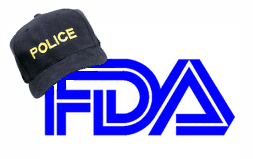 You gotta love the good ol’ FDA (US Food and Drug Administration) for its renewed stance on oversight on things such as drug advertising. Four months into the Obama Administration, the FDA gets a new leader—Margaret Gamburg—and all of a sudden things start happening.
Among other crackings of the whip, the FDA issued draft guidelines designed to clarify what is appropriate in drug ads. You know, things like upping the music volume when all those nasty, ‘adverse reaction’ bits appear. Or the use of distracting images and visuals to take the focus away from what you are hearing.
The renewed focus on what consumers are seeing in medicinal TV ads—which seem to take center sponsor stage on the major network television newscasts each night—stems from a few well-placed cat calls from John Dingell and Bart Stupak. Back in 2008 the two congressmen openly questioned if drug advertising properly presented product benefits and risks.
Among other complaints, Stupak criticized Pfizer for using the inventor of an artificial heart, Robert Read the rest of this entry »

Find us on


Archive by Category
- Accidents (24)
- Airlines (9)
- Asbestos Mesothelioma (262)
- Automotive (25)
- Celebrity (14)
- Class Action (84)
- Complaints/Comments (15)
- Consumer Fraud (84)
- Contest (2)
- Court of Public Opinion (5)
- Crazy Sh*t Lawyers See (61)
- Criminal Law (4)
- Defective Products (111)
- DePuy ASR Hip Recall (2)
- Discrimination (22)
- Drugs/Medical (248)
- Elder Care Abuse (4)
- Emerging Issues (462)
- Employment (54)
- Environment (52)
- Financial (28)
- Food Illness (15)
- Human/Civil Rights (4)
- Insecurities (5)
- Insurance (16)
- Intellectual Property (16)
- Internet/E-commerce (19)
- lawsuits (161)
- Lawyers (20)
- Lawyers Giving Back (43)
- Lex Levity (10)
- Personal Injury (106)
- Pleading Ignorance (53)
- Real Estate (2)
- Recall (6)
- Scam (3)
- Securities (13)
- Settlement (81)
- Tort Reform (2)
- Totally Tortelicious (81)
- Veterans (11)
- Whistleblower (9)