

LAWSUITS NEWS & LEGAL INFORMATION
Wrongful Termination
Were you looking for New Jersey Wrongful Termination lawsuits?
By Jane Mundy
Wrongful termination means an employer has fired or laid off an employee in violation of their legal rights. If wrongful termination law is violated, a wrongfully terminated employee may file a wrongful employment termination complaint with government agencies and/or file a private lawsuit, usually with the help of wrongful termination lawyers.
To answer the question, "What is Wrongful Termination?" (and to determine whether someone may have been wrongfully terminated), it helps to understand what the phrase "employment at-will" means.
All states have adopted the employment "at-will" doctrine to some degree, which means that employees can generally quit their jobs at any time without advanced notice or cause. It also means that an employer can generally fire or lay off their employees at any time without a reason. Employers often, and legitimately, ask employees to sign contracts or agreements that document and enforce the terms of at will employment, usually in company policy manuals.
There are exceptions to this doctrine. Employees and employers aren't allowed to breach employment contracts or agreements, or violate laws, regulations, constitutional provisions or public policy when terminating employment. As well, possible exceptions include breach of implied contract, reliance on an offer of employment and intentional emotional distress. At will employees can be fired for job-related problems, or for non-job-related reasons such as the boss not liking your jokes, or a personality conflict.
However, at will employees who were wrongfully terminated have challenged the doctrine in court and won and received compensation, including wrongful termination damages.
The Employment at Will Doctrine differs with each state. Your state's labor office can advise you on its policy or you can consult a wrongful termination attorney. For additional state-specific wrongful termination information, see New York Wrongful Termination, New Jersey Wrongful Termination, California Wrongful Termination, and Washington Wrongful Termination.
 There is no specific wrongful termination law. Rather, there are a number of federal laws that, if violated, can constitute a wrongful termination. An employer must illegally discharge an employee to violate wrongful termination laws. No matter how unfair it seems, if your discharge is not illegal, wrongful termination law may not apply.
Some examples of wrongful termination occur if an employer laid off or fired an employee: (1) Discrimination: if you have been discriminated against because of race, sex, religion, disability or age, it may be a breach of your human rights.
(2) Constructive Dismissal: If you felt pressured to resign, or your working conditions were made to be so horrible you couldn't continue working, you may be able to claim constructive discharge. You may also claim constructive dismissal if your pay or working conditions have been degraded or if your level of responsibility has been reduced.
(3) Insufficient Cause: Actions such as theft, violence or threatening behavior may be cause for immediate dismissal. However, isolated instances of a less serious nature can not normally be used as an excuse to fire someone, unless there is a history of such behavior.
In some states an employee might be wrongfully terminated if an employer discharged an employee in retaliation for:
Whistleblowing has gotten a lot of attention in recent years due to the popularity of movies like "The Informant" starring Matt Damon, and "The Insider" starring Russell Crowe. But anyone can be a whistleblower--and the law states that it is illegal to fire an employee, or to engage in retaliation against an employee, for whistleblowing.
Any person who "interferes" with the livelihood of an employee who has provided information to legal authorities regarding alleged illegal activity of their employer, is subject to up to 10 years in prison and up to $250,000 in fines.
If you have a contract, your termination will be governed by the terms of the contract, unless the contract states you are an at-will employee, in which case you may be fired "at will". Contracts may be written or oral, even based on a promise that your "job would be secure".
If you think you have been wrongfully terminated, it's a good idea to seek the advice of an experienced lawyer. As well, a short statute of limitations may apply, so seek advice sooner than later. A wrongful termination lawsuit can be filed either with a government agency that enforces labor laws, or in a private lawsuit. If your employer's violation is related to a specific part of state or federal law, you might want to contact the Equal Employment Opportunity Commission, Occupational and Safety Hazards Administration, or your state's labor offices.
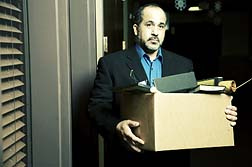 If you believe you have been wrongfully terminated, you may have a right to bring a claim for wrongful termination against your former employer. Legal remedies that may be available to you include wrongful termination damages. If you haven't been officially terminated yet, an experienced wrongful termination attorney can help you negotiate an appropriate severance package that includes adequate compensation.
If your employer has violated public or company policy, a private lawsuit is typically the only way to settle disputes. Wrongful termination attorneys often take wrongful employee termination cases on a contingency basis.
Last updated on
En Español TERMINACIóN DE EMPLEO INJUSTA
FREE WRONGFUL TERMINATION LAWSUIT EVALUATION
Send your Wrongful Termination claim to a lawyer who will review your claim at NO COST or obligation.
GET LEGAL HELP NOW
GET LEGAL HELP NOW
Understanding Wrongful Termination
To answer the question, "What is Wrongful Termination?" (and to determine whether someone may have been wrongfully terminated), it helps to understand what the phrase "employment at-will" means.
All states have adopted the employment "at-will" doctrine to some degree, which means that employees can generally quit their jobs at any time without advanced notice or cause. It also means that an employer can generally fire or lay off their employees at any time without a reason. Employers often, and legitimately, ask employees to sign contracts or agreements that document and enforce the terms of at will employment, usually in company policy manuals.
There are exceptions to this doctrine. Employees and employers aren't allowed to breach employment contracts or agreements, or violate laws, regulations, constitutional provisions or public policy when terminating employment. As well, possible exceptions include breach of implied contract, reliance on an offer of employment and intentional emotional distress. At will employees can be fired for job-related problems, or for non-job-related reasons such as the boss not liking your jokes, or a personality conflict.
However, at will employees who were wrongfully terminated have challenged the doctrine in court and won and received compensation, including wrongful termination damages.
The Employment at Will Doctrine differs with each state. Your state's labor office can advise you on its policy or you can consult a wrongful termination attorney. For additional state-specific wrongful termination information, see New York Wrongful Termination, New Jersey Wrongful Termination, California Wrongful Termination, and Washington Wrongful Termination.
En Español TERMINACIóN DE EMPLEO INJUSTA
FREE WRONGFUL TERMINATION LAWSUIT EVALUATION
Send your Wrongful Termination claim to a lawyer who will review your claim at NO COST or obligation.
GET LEGAL HELP NOW
GET LEGAL HELP NOW
Wrongful Termination Examples
There is no specific wrongful termination law. Rather, there are a number of federal laws that, if violated, can constitute a wrongful termination. An employer must illegally discharge an employee to violate wrongful termination laws. No matter how unfair it seems, if your discharge is not illegal, wrongful termination law may not apply.
Some examples of wrongful termination occur if an employer laid off or fired an employee:
- In violation of a state or Federal discrimination law (1)
- In violation of the employment-related provisions in the Fair Credit Reporting Act or Bankruptcy Act
- In violation of rights granted by the First Amendment to the U.S. Constitution
- In violation of a state voting leave law
- In violation of the employer's own discharge policy
- In breach of an explicit or implied contract of employment or an employer-union collective bargaining agreement (contract law)
- In breach of the covenant of good faith and fair dealing
- According to the constructive discharge doctrine (2)
- Because the employee would not break a law (public policy violation)
- Under the guise of a false statement of fact
- For jury duty (Judiciary and Judicial Procedure Act)
- Insufficient Cause (3)
(1) Discrimination: if you have been discriminated against because of race, sex, religion, disability or age, it may be a breach of your human rights.
(2) Constructive Dismissal: If you felt pressured to resign, or your working conditions were made to be so horrible you couldn't continue working, you may be able to claim constructive discharge. You may also claim constructive dismissal if your pay or working conditions have been degraded or if your level of responsibility has been reduced.
(3) Insufficient Cause: Actions such as theft, violence or threatening behavior may be cause for immediate dismissal. However, isolated instances of a less serious nature can not normally be used as an excuse to fire someone, unless there is a history of such behavior.
In some states an employee might be wrongfully terminated if an employer discharged an employee in retaliation for:
- Reasonably exercising employee rights under relevant employment and labor laws
- Reasonably exercising union rights
- Legitimately taking leave under the Family and Medical Leave Act
- Serving in the military
- Wage garnishment for one debt
- Whistleblowing
Whistleblower Wrongful Termination
Any person who "interferes" with the livelihood of an employee who has provided information to legal authorities regarding alleged illegal activity of their employer, is subject to up to 10 years in prison and up to $250,000 in fines.
Contract Employee and Wrongful Termination
Filing a Wrongful Termination Lawsuit
If you believe you have been wrongfully terminated, you may have a right to bring a claim for wrongful termination against your former employer. Legal remedies that may be available to you include wrongful termination damages. If you haven't been officially terminated yet, an experienced wrongful termination attorney can help you negotiate an appropriate severance package that includes adequate compensation.
If your employer has violated public or company policy, a private lawsuit is typically the only way to settle disputes. Wrongful termination attorneys often take wrongful employee termination cases on a contingency basis.
Wrongful Termination Legal Help
If you believe you have been wrongfully terminated from your job, please click the link below to send your complaint to an Employment attorney who will review your claim at no charge or obligation.Last updated on
WRONGFUL TERMINATION LAWSUITS
- Nevada Wrongful Termination alleging unjust termination of job.
- Maryland Wrongful Termination alleging unjust termination of job.
- Pennsylvania Wrongful Termination claiming unjust termination of job.
- North Carolina Wrongful Termination alleging unjust termination of job.
- Florida Wrongful Termination alleging unjust termination of job.
- Texas Wrongful Termination claiming unjust termination of job.
- Ohio Wrongful Termination alleging unjust termination of job.
- Wisconsin Wrongful Termination alleging unjust termination of job.
- Oregon Wrongful Termination alleging unjust termination of job.
- Illinois Wrongful Termination alleging unjust termination of job.
- Massachusetts Wrongful Termination alleging unjust termination of job.
- New Jersey Wrongful Termination alleging unjust termination of job.
- Washington Wrongful Termination alleging unjust termination of job.
- New York Wrongful Termination alleging unjust termination of job.
- California Wrongful Termination alleging unjust termination of job.
WRONGFUL TERMINATION LEGAL ARTICLES AND INTERVIEWS
Amazon Retaliates against Women Demanding Fair Pay

Home Healthcare Employer Settles Wage Lawsuit for $700,000

Customer Service Representatives Stiffed of Pre- and Post-Shift Wages

December 7, 2023
In Wilmuth v. Amazon, three professional research team leaders filed a proposed class and collective lawsuit against Amazon.com, Inc. for its established practice of paying women less than men for similar work. It’s the usual gross, dreary, demeaning stuff that women deal with at work. But the Amazon researchers also claim that the company retaliated against them for raising the issue of gender pay discrimination. The retaliation they describe may amount to a form of wrongful termination under Title VII of the Civil Rights Act of 1964. READ MORE
Home Healthcare Employer Settles Wage Lawsuit for $700,000
November 19, 2023
On October 20, Bayada Home Health Care Inc. agreed to pay home healthcare workers $700,000 to settle an unpaid wage lawsuit. Ivanovs v. Bayada Home Health Care Inc. was a 6-year legal battle. The workers' awards will range from $300 to $6,000, according to the settlement. READ MORE
Customer Service Representatives Stiffed of Pre- and Post-Shift Wages
October 23, 2023
On September 22, Rusty Brittain and Richard Tounsel, two call center workers, filed a collective and class action unpaid wage lawsuit against their former employer. Brittain v. DialAmerica Marketing, Inc. alleges that DialAmerica had an established practice of failing to pay customer service representatives for all hours worked as required by the Fair Labor Standards Act. Townsel has filed an additional claim under Illinois wage and hour laws. The lawsuit seeks damages and other relief on behalf of all similarly situated employees for the past three years. DialAmerica employs more than 5,000 call service representatives and managers at locations throughout the country, so the affected class could be large. READ MORE
WRONGFUL TERMINATION SETTLEMENTS
- Wrongful Termination Suit Sees Firefighter Awarded $680K
- York County, NY and Pleasant Acres Nursing & Rehabilitation Center $150,000 settlement in asbestos related wrongful termination lawsuit.
READ MORE Employment Settlements and Legal News
READER COMMENTS
Ryan Jepson
on
Diesan
on
Larryavard
on
Tomareeli
on
Bramon trutt
on
dp
on
Margaret mohamed
on
Olivia
on
carolyn schindler
on
i am now having a difficult time finding a job and a home.
Ahmad Baqi
on
Leigh
on
I was hired for a job in February. Walked into a huge mess where the person that I replaced was not doing what she was supposed to do. I was working on things and trying to stay afloat had no training was just basically thrown to the sharks and expected to swim. Fast forward to five months in....I was pulled into a meeting with my manager and was told that my performance was below her expectations. While I understood things may not have been perfect. I let her know that I was overwhelmed with trying to teach myself how to use their systems and was just keeping my head afloat. We discussed a few more times and agreed to meet once a week to discuss goals and promote success. Being the adult that I am I did not let things fester. I knew that changes needed to be made and made them. In August we had my 6 month review. My supervisor and I both agreed that things had gotten better and we were both excited for the future. I thanked her for the opportunity to improve and expressed how passionate I was about my job. I went on vacation soon after that and came back and picked right back up where I left off. I was excited to come to work and was preparing for the future. In September I took a long weekend with family and ended up becoming very ill. I was in the hospital for 9 days and had three surgeries while I was there. I applied for short term disability and was approved. I was out of work for over a month. While I was out I did try to stay on top of my emails. I would forward questions to coworkers, I would submit invoices to AP, I would reply to emails from my team. I was supposed to go back to work on October 17, however, due to my illness my doctor extended my leave until the 24 of October. On October 24 I went to work. We all chatted but nothing was said. I finished out the first week back feeling good. I was tired but it was nice to get back into somewhat of a routine. On November 2nd I was called into my bosses office. She told me this was not working and that she was letting me go. She told me that things had fallen through the cracks, I was unresponsive to emails, and I had not taken care of something that was due in October. In my defense, I was out of work from September 19-October 23. What it boils down to is I believe I was being evaluated during a time when I physically was not able to work due to my disability. Do I have a case with the OFCCP?
Thanks
Private
on
A.e
on
joao victor
on
Adeniran A
on
I need help on what to do.
Thank you.
ryan g
on
San Diego
on
Fernando Flores
on
Jonathan Wainwright
on
Ginger Cox
on
When I began at the facility I was hired to be Staff Development Coordinator, which in 5 months into my job they terminated the present DON after the first interim DON left the company I was told I had to be interim until someone was found, I had just came out of 15 years of management and was not happy but there was an increase in pay . I was then approached by administrator with offer of more money to be the DON she told me I was already doing it and "she would have my back" HA! I was never oriented to either of these positions but the SDC was as serious as the DON. Once again with no training or orientation and mind you I came from hospice into this long term care facility , I read policies and procedures and learned something new everyday.
This has been a long explanation but not even half of everything I have tolerated for one year and up to my termination. Please advise.
Phyllis H Nesmith
on
debnoseallright
on
Jacqueline Daisy
on
What can i do about it as it happened 13months ago and im now being falsely accused of things
Sam
on
Karissa Howard
on
Mark
on
martin esho
on
I feel discriminated & i believe i should get my job reinstated
Anh Ngo
on
Ann Jelou MOntales
on
after 30days, as what they said that i can only get My final salary after 30days, call the office. They said that they are waiting for the reply of the Accountant. I respect them. On the second time I call them, they said that the Accountant is preparing it. On the 3rd time i call the office, they said that it was already prepare but waiting for the signature of the Head. On the 4th time i call them, they said that they revised it because it has mistake on 13th Month.
I report it to NLRC, during our first hearing they said that i need to promise my clearance before they will give me my Last Salary.. 2nd, they still looking for the receipt which i did not able to turn over to them properly.
I went back to the office, my previous employer and look for the receipt. I able to find it and give it to them. But they still ask me to have clearance, BUt i said to them that I don't need clearance anymore because i am already terminated.
On the second hearing, they just add another reason why i need to process clearance. They said that there are error on my previous payroll i made and they want to deduct it from my last Salary. For How many month that i follow up my salary in them, they did not tell me that my final salary is on hold because they want me to process the clearance, 2nd for almost 2 months of follow up, they did not tell me also that i need to Go back to their office to justify the error on payroll.
I admit that i have error on payroll, but it is also one of the reason why they terminate me. But now that i want to get my final salary, they pressure me to process the clearance, they want me to justify the error on payroll that they are the one also who check it and approved it before releasing or giving it to the employee.
The NLRC tells me to file case, but i dont have enough money to pay for filing case at the same time, i cannot pay the attorney.
What are the right that i need to do? The only thing i want to get is my 11days remaining salary, allowance and 13th MOnth. What they don't want to give it to me.
Please help me
charmane FIELDS
on
California
on
Ohio
on
Oklahoma
on
Arizona
on
Illinois
on
New York
on
Alabama
on
California
on
Florida
on
Indiana
on
North Carolina
on
Michigan
on
Minnesota
on
Anonymous
on
Florida
on
Georgia
on
Anonymous
on
I was recently terminated from my [JOB] of 41 months.It all started over me goin’ over my boss’s head because the lazy bastard wouldn’t do what was needed for his staff. And almost immediately the intimidations & retaliations began. It got sooo bad that I had to be hospitalized for [STRESS]!!! So I kept a journal about how things were for me on daily basis in that environment. I also recorded my boss statin’ to another member of staff that he was tryin’ to get me [FIRED]!!! (I know that you’re not supposed to record someone w/out their permission), but the way this asshole spoke to me (Like I was some [WHORE] that he just met that was tryin’ to steal his money & his dope) I felt compelled to. I have a “FAMILY HISTROY” of Breast Cancer and it returned around the time of my birthday. So when I informed my boss about it the day after I was admitted. This “Moron” deleted my texted message (’cause that’s the way he prefers to communicate w/his staff). Then told another member of staff & his superiors that he didn’t receive anything/message from me in his phone. Well I documented that in my journal as well plus I still have the texted message in my phone. My co-worker had informed me about what the boss had done by( texted message) on the day of my release from the hospital. I was so stressed-out that I’d returned to work against my doctors orders to rest for two weeks after [CHEMO]. I know my former co-worker won’t speak up on my behalf for fear of losing his [JOB]. Unfortunately I wasn’t able to give the “VP” a copy of my journal & my documents until I was terminated. Will this affect my claim for unemployment benefits, or should I be consulting w/an attorney now?!My name is Marilyn, but I prefer to be called [KNUCKLES].
Anonymous
on
Illinois
on
Florida
on
North Carolina
on
New York
on
Partner was told to take 3-day unpaid leave of absence while I was fired and not invited back. Also, a different (favored employee) has damaged 3 paintings but has not suffered any punishment.
Pennsylvania
on
California
on
Kentucky
on
North Carolina
on
Utah
on
Ohio
on
California
on
Texas
on
over six months and my company fired me.
South Carolina
on
Louisiana
on
California
on
Nebraska
on
Maryland
on
Texas
on
California
on
Wisconsin
on
Massachusetts
on
Tennessee
on
Rhode Island
on
Pennsylvania
on
California
on
Ohio
on
Texas
on
New York
on
Ohio
on
Michigan
on
Ohio
on
California
on
Arizona
on
Texas
on
In my interview wth HR, I told them that I knew about the share about 3 years ago and I had asked the employee to remove it and I also reported it to my management.