

LAWSUITS NEWS & LEGAL INFORMATION
Maritime Law/Jones Act
Were you looking for Boat and Cruise Ship Accidents or Oil and Gas lawsuits?
Maritime Law, frequently referred to as Admiralty Law, governs navigation and shipping on most bodies of water. Maritime Law specifically protects the rights of seamen, longshoremen, oil rig workers and other people who make their living on the seas. Maritime-related jobs can be dangerous and potential maritime claims include marine law versions of workers compensation claims and unseaworthiness claims. Maritime workers are protected by the concept of "Maintenance and Cure" as well as maritime laws and acts such as the Jones Act, the Longshore and Harbor Workers' Compensation Act and the Death on the High Seas Act.
Maintenance and Cure
Seamen who are injured while on a vessel, regardless of fault or negligence, are entitled to "maintenance and cure." Maintenance means that the employee has a right to a daily allowance to cover food and shelter that the seaman would have received on the vessel if he had not been injured. Cure means that the employer is obligated to provide the seaman with appropriate medical care, hospitalization and rehabilitation services, until the injured person reaches maximum medical improvement, even if the seaman is unable to return to work. This right to maintenance and cure is separate from any claim under the Jones Act and is guaranteed, regardless of who is at fault in an injury.
Jones Act Maritime Law
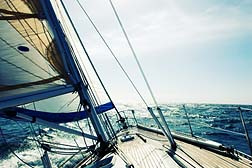 The Jones Act is a federal law that applies to vessel operators and marine employers whose employees suffer work-related injury or death. Under the Jones Act, seamen who are injured while working, and whose injury was caused by the negligence of their employer or coworker, are able to seek compensation for past and future economic and non-economic losses.
The Jones Act differs from workers' compensation laws because under the Jones Act, an employer is only liable under the Jones Act if the injured party can prove that the injury was the result of negligence by the vessel's owners, operators or officers or by the employee's coworkers. The Jones Act also covers people who were injured by a defect in the vessel or the vessel's equipment. Claims against an employer can also be filed for failing to provide adequate medical care to an injured worker.
The Jones Act applies to seamen who spend at least 30 percent of their time on a specific vessel or in a fleet. Workers whose duties to that fleet contribute to its function or mission are covered by the Jones Act. If the injury occurred while the worker was on an offshore rig, workboat, tugboat, barge, tanker or cargo ship, ferry or water taxi, fishing trawler or other vessel, the injured person may be able to file a claim under the Jones Act.
Unseaworthiness Claims
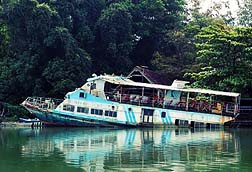 Unseaworthiness claims are related to the Jones Act. Vessel owners owe their seamen a strict and absolute duty to provide the seamen with a vessel that is seaworthy. Seaworthy means that the vessel is reasonably fit for its intended use and is a safe place to work and live, complete with appropriate safety gear and equipment, safe recreation facilities and a competent crew. This also means that the work surfaces and conditions are safe and all tolls and equipment function properly and are safe.
Claims of unseaworthiness are made against the vessel's owner. Such claims can include injuries caused by a slippery surface, another employee's negligence, defective equipment, or worsening of illness because of insufficient medical supplies.
Longshore and Harbor Workers' Compensation Act
The Longshore and Harbor Workers' Compensation Act (LHWCA) covers employees who work on shore or who are sent to a vessel or drilling rig to perform a specific task. Although they may not work frequently on the water, they are still employed in maritime-related occupations and are therefore eligible to file a claim for injuries sustained while working. Eligibility to file a claim under LHWCA depends on the location the employee worked at when he was injured and whether or not the tasks performed have a traditional relationship to maritime employment.
Employees that are traditionally covered by LHWCA include "longshore workers, ship repairers, ship builders, ship breakers and harbor construction workers," according to the Department of Labor (dol.gov). Locations covered by LHWCA include wharfs, piers, dry docks and terminals. Workers who work on navigable waters but are not involved in maritime employment may also be covered by LHWCA if they are injured while working on navigable waters.
An employer does not have to be proven at fault for the employee to file for LHWCA benefits. These benefits include disability payments, medical services, rehabilitation services and benefits to survivors when a maritime worker dies due to work-related injuries. The LHWCA includes work-related illness in its definition of injury, meaning that employees who become sick after work with asbestos, for example, may be able to file an LHWCA claim.
Death on the High Seas Act
 The Death on the High Seas Act (DOHSA) allows the family members of the deceased seaman to file for benefits if the death is due to the deceased employer's negligence while on the high seas. If the deceased died from injuries sustained at more than three nautical miles off US shores, the family may be able to file for benefits. However, those benefits are limited to pecuniary damages. There is no recovery for loss of love and affection or for loss of society. Furthermore, the family cannot sue for any pain and suffering the deceased might have experienced prior to his death.
To be successful in filing a DOHSA claim, the family must prove that the employer was negligent or at fault in the death.
The Death on the High Seas Act also allows benefits for family members whose loved ones died in a commercial aviation accident that occurred more than 12 nautical miles from US shores. As such, trans-oceanic plane crash victims may be covered by DOHSA.
Typical DOHSA claims include ships sinking or capsizing, ship defects, fires or explosions while at sea, improper maintenance of the ship, improperly trained personnel and failure to provide adequate medical attention to an injured person.
Maritime Injuries
Injuries sustained while working in maritime-related employment can be devastating. Employees who suffer such injuries, or who die as a result of those injuries, may be eligible to file claims under maritime law. Which act applies to the injured party depends on the person's employment and location at the time of the harm. Employees covered by maritime law include those working on offshore rigs, workboats, cargo ships, docks, wharfs and dry docks, to name a few locations.
Employees who have been harmed during the course of their work are entitled to be compensated for the damage the injury has on their income. Families who have lost loved ones during the course of their work may also be eligible to file a claim.
Although maritime injuries happen to people while they are working, people who are on the water recreationally—on cruise ships, pleasure boats or jet skis—may also suffer injury. Laws concerning maritime pleasure activities may be different from those concerning maritime-related work activities.
Last updated on
FREE MARITIME LAW AND JONES ACT LAWSUIT EVALUATION
Send your Maritime Law and Jones Act claim to a lawyer who will review your claim at NO COST or obligation.
GET LEGAL HELP NOW
GET LEGAL HELP NOW
Jones Act Maritime Law
Seamen who are injured while on a vessel, regardless of fault or negligence, are entitled to "maintenance and cure." Maintenance means that the employee has a right to a daily allowance to cover food and shelter that the seaman would have received on the vessel if he had not been injured. Cure means that the employer is obligated to provide the seaman with appropriate medical care, hospitalization and rehabilitation services, until the injured person reaches maximum medical improvement, even if the seaman is unable to return to work. This right to maintenance and cure is separate from any claim under the Jones Act and is guaranteed, regardless of who is at fault in an injury.
Jones Act Maritime Law
The Jones Act is a federal law that applies to vessel operators and marine employers whose employees suffer work-related injury or death. Under the Jones Act, seamen who are injured while working, and whose injury was caused by the negligence of their employer or coworker, are able to seek compensation for past and future economic and non-economic losses.
The Jones Act differs from workers' compensation laws because under the Jones Act, an employer is only liable under the Jones Act if the injured party can prove that the injury was the result of negligence by the vessel's owners, operators or officers or by the employee's coworkers. The Jones Act also covers people who were injured by a defect in the vessel or the vessel's equipment. Claims against an employer can also be filed for failing to provide adequate medical care to an injured worker.
The Jones Act applies to seamen who spend at least 30 percent of their time on a specific vessel or in a fleet. Workers whose duties to that fleet contribute to its function or mission are covered by the Jones Act. If the injury occurred while the worker was on an offshore rig, workboat, tugboat, barge, tanker or cargo ship, ferry or water taxi, fishing trawler or other vessel, the injured person may be able to file a claim under the Jones Act.
Unseaworthiness Claims
Unseaworthiness claims are related to the Jones Act. Vessel owners owe their seamen a strict and absolute duty to provide the seamen with a vessel that is seaworthy. Seaworthy means that the vessel is reasonably fit for its intended use and is a safe place to work and live, complete with appropriate safety gear and equipment, safe recreation facilities and a competent crew. This also means that the work surfaces and conditions are safe and all tolls and equipment function properly and are safe.
Claims of unseaworthiness are made against the vessel's owner. Such claims can include injuries caused by a slippery surface, another employee's negligence, defective equipment, or worsening of illness because of insufficient medical supplies.
Longshore and Harbor Workers' Compensation Act
The Longshore and Harbor Workers' Compensation Act (LHWCA) covers employees who work on shore or who are sent to a vessel or drilling rig to perform a specific task. Although they may not work frequently on the water, they are still employed in maritime-related occupations and are therefore eligible to file a claim for injuries sustained while working. Eligibility to file a claim under LHWCA depends on the location the employee worked at when he was injured and whether or not the tasks performed have a traditional relationship to maritime employment.
Employees that are traditionally covered by LHWCA include "longshore workers, ship repairers, ship builders, ship breakers and harbor construction workers," according to the Department of Labor (dol.gov). Locations covered by LHWCA include wharfs, piers, dry docks and terminals. Workers who work on navigable waters but are not involved in maritime employment may also be covered by LHWCA if they are injured while working on navigable waters.
An employer does not have to be proven at fault for the employee to file for LHWCA benefits. These benefits include disability payments, medical services, rehabilitation services and benefits to survivors when a maritime worker dies due to work-related injuries. The LHWCA includes work-related illness in its definition of injury, meaning that employees who become sick after work with asbestos, for example, may be able to file an LHWCA claim.
Death on the High Seas Act
The Death on the High Seas Act (DOHSA) allows the family members of the deceased seaman to file for benefits if the death is due to the deceased employer's negligence while on the high seas. If the deceased died from injuries sustained at more than three nautical miles off US shores, the family may be able to file for benefits. However, those benefits are limited to pecuniary damages. There is no recovery for loss of love and affection or for loss of society. Furthermore, the family cannot sue for any pain and suffering the deceased might have experienced prior to his death.
To be successful in filing a DOHSA claim, the family must prove that the employer was negligent or at fault in the death.
The Death on the High Seas Act also allows benefits for family members whose loved ones died in a commercial aviation accident that occurred more than 12 nautical miles from US shores. As such, trans-oceanic plane crash victims may be covered by DOHSA.
Typical DOHSA claims include ships sinking or capsizing, ship defects, fires or explosions while at sea, improper maintenance of the ship, improperly trained personnel and failure to provide adequate medical attention to an injured person.
Maritime Injuries
Injuries sustained while working in maritime-related employment can be devastating. Employees who suffer such injuries, or who die as a result of those injuries, may be eligible to file claims under maritime law. Which act applies to the injured party depends on the person's employment and location at the time of the harm. Employees covered by maritime law include those working on offshore rigs, workboats, cargo ships, docks, wharfs and dry docks, to name a few locations.
Employees who have been harmed during the course of their work are entitled to be compensated for the damage the injury has on their income. Families who have lost loved ones during the course of their work may also be eligible to file a claim.
Although maritime injuries happen to people while they are working, people who are on the water recreationally—on cruise ships, pleasure boats or jet skis—may also suffer injury. Laws concerning maritime pleasure activities may be different from those concerning maritime-related work activities.
Maritime Law and Jones Act Legal Help
If you believe that you (or a loved one) qualify for damages that might be awarded in a possible Maritime Jones Act class action or lawsuit, please click the link below and your complaint will be sent to a lawyer who may evaluate your claim at no cost or obligation.Last updated on
MARITIME LAW AND JONES ACT LEGAL ARTICLES AND INTERVIEWS
Cruiser Files Carnival Cruise Ship Lawsuit
Securing Lawsuit Funding for Boat Accident Victims
Lawsuits Filed Against Costa Concordia Cruise Liner
February 16, 2013
The first cruise ship accident lawsuit has been filed against Carnival Cruise Lines and a flood of lawsuits from other passengers aboard the Triumph are expected. READ MORE
Securing Lawsuit Funding for Boat Accident Victims
July 4, 2012
Were you injured from a boating accident due to reckless driving or negligence of another person? Do you need financial assistance because you can’t wait for your suit to settle? Applying for boating accident lawsuit funding may be the solution. READ MORE
Lawsuits Filed Against Costa Concordia Cruise Liner
January 28, 2012
One day before divers found the 17th body in the wreckage of the Costa Concordia cruise liner, at Giglio island, Italy two US law firms and a consumer group filed a maritime class-action lawsuit in the US demanding at least $160,000 for each passenger. READ MORE
READ MORE Employment Settlements and Legal News
READ MORE Maritime Law Settlements and Legal News
READ MORE Personal Injury Settlements and Legal News
READ MORE Maritime Law Settlements and Legal News
READ MORE Personal Injury Settlements and Legal News
READER COMMENTS
alberto velasquez
on