

LAWSUITS NEWS & LEGAL INFORMATION
Toxic Mold
Mold is everywhere: it is in the air and it lives on all kinds of surfaces, from paper to wood to carpets. Household mold is common and house mold can grow anywhere indoors where there is moisture. Molds are not toxic but some molds such as Stachybotrys chartarum, also known as toxic black mold, produce toxins, known as mycotoxins. Some people who are sensitive to molds can experience allergic reactions, including breathing and heart problems, and black mold exposure can lead to severe health problems.
FREE TOXIC MOLD LAWSUIT EVALUATION
Send your Toxic Mold claim to a lawyer who will review your claim at NO COST or obligation.
GET LEGAL HELP NOW
GET LEGAL HELP NOW
Toxic Mold Exposure
Toxic Mold is mold that contains poisons in its spores. The most worrisome mold, Stachybotrys chartarum (also called Stachybotrys atra), has been labeled by most health departments as a health hazard.
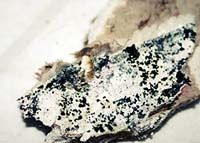
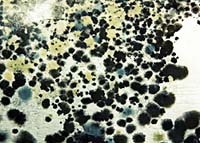
Toxic mold is a greenish-black mold that grows on material with high cellulose content, such as straw, fiberboard, dry wall, paper, lint and even dust and it requires constant moisture for its growth. It does not grow on plastics and vinyl.
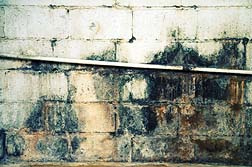 Black mold exposure is also referred to by specialists as one of the causes of pulmonary hemorrhage, known as the "sick building syndrome". Increasingly, black mold has been causing serious problems in homes and buildings in North America. According to the Centers for Disease Control (CDC), some recent studies concluded that approximately 50 percent of homes are inflicted with unknown moisture dilemmas.
However, black mold exposure has been known to sicken people for years. During 1993-1994 in Cleveland, Ohio, there was a rare outbreak of pulmonary hemorrhage among infants. Researchers then found out that Black mold was growing in the homes of the sick infants and this incident increased public (and the medical community) awareness of molds in homes and buildings.
Toxic mold has also caused problems for homeowners and building managers who must deal with moisture issues. The Environmental Protection Agency (EPA) states that all indoor mold growth is potentially harmful and should be removed promptly, no matter what types of mold are present or whether they can produce toxins.
Toxic Mold Symptoms
Some people are more sensitive to molds than others and mold exposure can cause symptoms such as nasal stuffiness, eye irritation, wheezing, or skin irritation. Others may develop severe reactions, including fever and shortness of breath. People with chronic lung illnesses may develop mold infections in their lungs.
According to the CDC, the vast majority of mold growing in the home or shower is nothing more than a nuisance and does not pose any serious health risks. However, mycotoxins, including black mold, can cause the more serious issues that occur such as breathing problems, lung inflammation, fever, burning sensations etc. They can also be responsible for acute and chronic sicknesses as serious as cancer, fibromyalgia, heart problems, lupus, and even mental deficiencies.
Most symptoms can be treated with medication and diet, but to date there is no treatment for the more serious consequences.
Toxic Mold Lawsuits
Lawsuits in the US regarding mold in residential or commercial buildings, and the exposure to their inhabitants, are increasing, mainly due to public awareness of toxic mold danger, and because of the decision by most health departments to label Stachybotrys as a health hazard.
Many building owners and homebuilders are finding themselves in toxic mold litigation. Most toxic mold lawsuits involve insurance companies that do not pay for mold-damage claims. However, insurance companies have had to settle claims when they failed to pay for moisture-related repairs that eventually turned into a mold problem. And homebuilders have been successfully sued for bad workmanship that contributed to the growth of toxic mold.
Toxic mold is a greenish-black mold that grows on material with high cellulose content, such as straw, fiberboard, dry wall, paper, lint and even dust and it requires constant moisture for its growth. It does not grow on plastics and vinyl.
Black mold exposure is also referred to by specialists as one of the causes of pulmonary hemorrhage, known as the "sick building syndrome". Increasingly, black mold has been causing serious problems in homes and buildings in North America. According to the Centers for Disease Control (CDC), some recent studies concluded that approximately 50 percent of homes are inflicted with unknown moisture dilemmas.
However, black mold exposure has been known to sicken people for years. During 1993-1994 in Cleveland, Ohio, there was a rare outbreak of pulmonary hemorrhage among infants. Researchers then found out that Black mold was growing in the homes of the sick infants and this incident increased public (and the medical community) awareness of molds in homes and buildings.
Toxic mold has also caused problems for homeowners and building managers who must deal with moisture issues. The Environmental Protection Agency (EPA) states that all indoor mold growth is potentially harmful and should be removed promptly, no matter what types of mold are present or whether they can produce toxins.
Toxic Mold Symptoms
Some people are more sensitive to molds than others and mold exposure can cause symptoms such as nasal stuffiness, eye irritation, wheezing, or skin irritation. Others may develop severe reactions, including fever and shortness of breath. People with chronic lung illnesses may develop mold infections in their lungs.
According to the CDC, the vast majority of mold growing in the home or shower is nothing more than a nuisance and does not pose any serious health risks. However, mycotoxins, including black mold, can cause the more serious issues that occur such as breathing problems, lung inflammation, fever, burning sensations etc. They can also be responsible for acute and chronic sicknesses as serious as cancer, fibromyalgia, heart problems, lupus, and even mental deficiencies.
Most symptoms can be treated with medication and diet, but to date there is no treatment for the more serious consequences.
Toxic Mold Lawsuits
Lawsuits in the US regarding mold in residential or commercial buildings, and the exposure to their inhabitants, are increasing, mainly due to public awareness of toxic mold danger, and because of the decision by most health departments to label Stachybotrys as a health hazard.
Many building owners and homebuilders are finding themselves in toxic mold litigation. Most toxic mold lawsuits involve insurance companies that do not pay for mold-damage claims. However, insurance companies have had to settle claims when they failed to pay for moisture-related repairs that eventually turned into a mold problem. And homebuilders have been successfully sued for bad workmanship that contributed to the growth of toxic mold.
Toxic Mold Exposure Legal Help
If you or a loved one has suffered health problems from exposure to toxic mold, please click the link below and your complaint will be sent to a lawyer who may evaluate your claim at no cost or obligation.Last updated on
TOXIC MOLD LEGAL ARTICLES AND INTERVIEWS
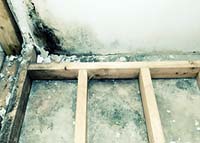
Household mold forces woman to live in tent
With Black Mold, Always Better to Err on the Side of Caution
Mold: It's Common. And it Can be Very Dangerous
October 15, 2009
A 31-year-old woman was reportedly forced to abandon her business and home because of household mold that was found in her attic after she left. READ MORE
With Black Mold, Always Better to Err on the Side of Caution
September 12, 2009
Toxic Mold Exposure continues to be a confusing subject for most people, given that household black mold and other sources of mold are more commonplace than most people think and not quite as hazardous as most people realize. Still, few are keen on taking any chances. READ MORE
Mold: It's Common. And it Can be Very Dangerous
August 3, 2009
It may surprise some that household mold is about as common as the dust bunny under the bed. However, no one would dispute the risk to health presented by toxic mold exposure and, more specifically, toxic black mold that can cause myriad health problems. READ MORE
READ MORE Environment Settlements and Legal News
READ MORE Personal Injury Settlements and Legal News
READ MORE Personal Injury Settlements and Legal News
READER COMMENTS
Jennifer M Janiver
on
joan Bigwood
on
Anna levis
on
Anna
on
Wayne Sykora
on
These are questions deserving valid answers, and until conclusive testing practices, procedures and policies are legislated. Findings will continue to be glowing examples of the standard quo. This is the challenge! Here are some potential solutions:
The social prevalence of mold is confounding and immeasurable. A legitimate healthy housing survey must be developed and implemented, focused on mold, asbestos, radon gas and urea formaldehyde and afforded to the general public. This survey will help establish the degree of mold as well the other noted viable risks prevalent in society.
Form a legislated organization encompassing residential air quality, market it aggressively, and afford specific solutions to mold. Utilize it as a governing agency, which does legislated pre-sale or pre-rent inspections.
Provide an ethical healthy home rating scale, and ensure properties with problems are moderated and recorded as required.
Provide ethical and legislated legal, medical and scientific avenues of recourse.
Make readily available specific medical testing, and treatment for toxic, fungal, particulate, and other mold-related illness.
Provide thorough and responsibly legislated sworn real-estate disclosures.
Include a mold inclusion as they relate to home insurance policies. Build policy profiles utilizing information gathered to establish a history of a given property. Its purpose would be to identify, correlate, document and record concerns, as well as add a social responsibility towards the issue. Properties holding concerns would have to be excluded from such an inclusion, and be otherwise dealt with. Those eligible would pay a premium for mold insurance coverage, and would be subject to periodic re-evaluations. This mold insurance inclusion should be part and parcel with new home construction sales.
Devaluate a property when applicable, rebuilding when required. Design a standard home rating system, and provide a real market value of the property.
Enforce a strict building code ensuring structural integrity, efficiency as well as indoor air quality (IAQ). Healthy housing begins with a strategy, and today’s builders will reflect the foundation of such legislation.
Legislate, and standardize responsible healthy housing education. Professional, public, and academic education is the key factor.
Invoke ethical moldrelated laws, which will protect society’s property and people. Where applicable, impose penalties, fines, and/or jail terms on offenders.
Standardize and legislate mold testing procedures.
‘Design, impose and enforce a residentially allocated mold legislation’
Rebecca Jaggars
on
anonymous9
on
Anonymous
on
Turquoise
on
Pennsylvania
on
New Jersey
on
Colorado
on