

LAWSUITS NEWS & LEGAL INFORMATION
Seroquel Diabetes Lawsuits
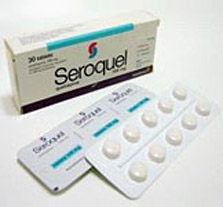
Seroquel (quetiapine) is an antipsychotic medication originally used as treatment for schizophrenia and acute manic episodes associated with bipolar disorder. It has allegedly been linked to increased weight gain as well as serious Seroquel side effects including hyperglycemia and diabetes, tardive dyskinesia, neuroleptic malignant syndrome and birth defects.
En Español SEROQUEL DIABETES
FREE SEROQUEL LAWSUIT EVALUATION
Send your Seroquel claim to a lawyer who will review your claim at NO COST or obligation.
GET LEGAL HELP NOW
GET LEGAL HELP NOW
Seroquel
Seroquel is a member of a category of drugs called "psychotropics". It was first approved by the Food and Drug Administration (FDA) in September 1997 as a treatment for schizophrenia and in 2004 the antipsychotic was approved for the treatment of mania associated with bipolar disorder (manic-depressive illness) such as delusions, thought disorder, hallucinations, social withdrawal, lack of energy, apathy, and reduced ability to express emotion. (Bipolar disorder is a serious mental illness. According to the National Institute of Mental Health, it affects approximately 5.7 million adult Americans, or about 2.6 percent of the US. population age 18 and older every year and it is the sixth leading cause of disability in the world.)
 Seroquel is also widely prescribed "off-label", meaning it is prescribed for conditions other than those originally approved by the FDA. (Although it is not illegal to prescribe drugs off-label, it is illegal to market drugs for non-FDA approved uses.) Seroquel is also prescribed to treat post-traumatic stress disorder (PTSD), obsessive-compulsive disorder (OCD), general anxiety disorders, sleep disorders and depressive episodes associated with bipolar disorder, insomnia and other sleep disorders.
Seroquel Warnings and Side Effects
In 2003 the FDA required AstraZeneca, Seroquel's manufacturer, to add black box warnings to Seroquel's label after receiving several reports of increased diabetes rates among antipsychotic drug users. The reports indicated that Seroquel users face the highest risk of developing diabetes compared to other atypical antipsychotic medications. One study found that Seroquel users had 3.34 times more reported cases of diabetes compared to older first generation antipsychotic medications.
A later study reported the antipsychotic was associated with hyperglycemia, in some cases leading to ketoacidosis, coma, or death. In May 2005 the FDA ordered manufacturers of atypical (also known as 'second-generation'), antipsychotic medications--including Seroquel--to add another warning to the already existing black-box warnings, stating that the drugs are associated with an increased risk of death related to psychosis and behavioral problems in elderly patients with dementia.
In some cases, hyperglycemia and high blood sugar can lead to coma or death through dehydration, kidney failure, and cardiovascular disease. Diabetes mellitus can also lead to erectile dysfunction, blindness, gangrene and limb amputation.
Seroquel side effects also include neuroleptic malignant syndrome, which is characterized by fever and muscle rigidity. Other serious Seroquel side effects include tardive dyskinesia or uncontrollable movements.
Seroquel Lawsuits
As of September 2008, nearly 9,000 lawsuits had been filed against AstraZeneca, the maker of the blockbuster Seroquel. Almost 6,000 Seroquel lawsuits had been filed by injured victims in federal court and another 3,000 Seroquel cases were filed in various state courts involving 7,492 more plaintiff groups.
In federal court, the Seroquel litigation has been consolidated in a Multidistrict Litigation (MDL), which is centralized in the U.S. District Court for the Middle District of Florida. About 5,829 of the lawsuits are currently in the MDL, where they are being handled together for pretrial proceedings. If the cases do not resolve during pretrial litigation, the MDL procedures require that the cases be sent back to the court where they were filed for trial.
AstraZeneca says it has been served with complaints involving over 13,000 plaintiff groups. One legal expert predicts that AstraZeneca's defense costs will reach $10 billion. (Zyprexa litigation involved similar claims, i.e., diabetes and weight gain. Eli Lilly, the Zyprexa manufacturer, paid approximately $1.2 billion to settle about 30,000 individual Zyprexa lawsuits.)
Seroquel is also widely prescribed "off-label", meaning it is prescribed for conditions other than those originally approved by the FDA. (Although it is not illegal to prescribe drugs off-label, it is illegal to market drugs for non-FDA approved uses.) Seroquel is also prescribed to treat post-traumatic stress disorder (PTSD), obsessive-compulsive disorder (OCD), general anxiety disorders, sleep disorders and depressive episodes associated with bipolar disorder, insomnia and other sleep disorders.
Seroquel Warnings and Side Effects
In 2003 the FDA required AstraZeneca, Seroquel's manufacturer, to add black box warnings to Seroquel's label after receiving several reports of increased diabetes rates among antipsychotic drug users. The reports indicated that Seroquel users face the highest risk of developing diabetes compared to other atypical antipsychotic medications. One study found that Seroquel users had 3.34 times more reported cases of diabetes compared to older first generation antipsychotic medications.
A later study reported the antipsychotic was associated with hyperglycemia, in some cases leading to ketoacidosis, coma, or death. In May 2005 the FDA ordered manufacturers of atypical (also known as 'second-generation'), antipsychotic medications--including Seroquel--to add another warning to the already existing black-box warnings, stating that the drugs are associated with an increased risk of death related to psychosis and behavioral problems in elderly patients with dementia.
In some cases, hyperglycemia and high blood sugar can lead to coma or death through dehydration, kidney failure, and cardiovascular disease. Diabetes mellitus can also lead to erectile dysfunction, blindness, gangrene and limb amputation.
Seroquel side effects also include neuroleptic malignant syndrome, which is characterized by fever and muscle rigidity. Other serious Seroquel side effects include tardive dyskinesia or uncontrollable movements.
Seroquel Lawsuits
As of September 2008, nearly 9,000 lawsuits had been filed against AstraZeneca, the maker of the blockbuster Seroquel. Almost 6,000 Seroquel lawsuits had been filed by injured victims in federal court and another 3,000 Seroquel cases were filed in various state courts involving 7,492 more plaintiff groups.
In federal court, the Seroquel litigation has been consolidated in a Multidistrict Litigation (MDL), which is centralized in the U.S. District Court for the Middle District of Florida. About 5,829 of the lawsuits are currently in the MDL, where they are being handled together for pretrial proceedings. If the cases do not resolve during pretrial litigation, the MDL procedures require that the cases be sent back to the court where they were filed for trial.
AstraZeneca says it has been served with complaints involving over 13,000 plaintiff groups. One legal expert predicts that AstraZeneca's defense costs will reach $10 billion. (Zyprexa litigation involved similar claims, i.e., diabetes and weight gain. Eli Lilly, the Zyprexa manufacturer, paid approximately $1.2 billion to settle about 30,000 individual Zyprexa lawsuits.)
Seroquel Legal Help
If you or a loved one has been diagnosed with diabetes while using Seroquel, you may qualify for damages or remedies that may be awarded in a possible class actioin lawsuit. Please click the link below to submit your complaint to a lawyer who will review your claim at no charge or obligation.Last updated on
SEROQUEL LEGAL ARTICLES AND INTERVIEWS
Januvia User Says Side Effects Worse Than High Blood Sugar

Seroquel Side Effects for the Elderly

Seroquel Side Effects a Weighty Issue

June 4, 2013
Against his doctor’s advice, Don, age 47, stopped taking Januvia, saying he would rather deal with high blood sugar than kidney stones, blood in his urine and severe abdominal pains. READ MORE
Seroquel Side Effects for the Elderly
December 13, 2010
Seroquel is a neuroleptic indicated for the treatment of bipolar disorder—and like most drugs carries a host of Seroquel side effects, including diabetes, tardive dyskinesia and even birth defects. However, there is a little-known use for Seroquel off-label that concerned the daughter of one Alzheimer's patient for whom she was caring. READ MORE
Seroquel Side Effects a Weighty Issue
November 24, 2010
Among the various Seroquel side effects associated with the antipsychotic drug is weight gain—an event that could prove a problem for individuals and patients with existing health issues that might be exacerbated by an increase in weight. Seroquel isn't the only culprit in the atypical antipsychotic class. Others in the class are capable of packing on the pounds. READ MORE
SEROQUEL SETTLEMENTS
- AZ Tentatively Settles 4,000 Seroquel Suits
- AZ Settles 200 Seroquel Suits for $2 Million
- Seroquel Illegal Marketing Case Settled for $520 Million
READ MORE Drugs/Medical Settlements and Legal News
READ MORE Personal Injury Settlements and Legal News
READ MORE Personal Injury Settlements and Legal News
READER COMMENTS
Donna Taylor
on
Rebecca Lemmert
on
richard john tyczkowski
on
Sherrie
on
Gary Irvin
on
Cherie Duncan
on
There has been other documented cases of TTP being related to seroquel but no lawsuti has been started for the damaging effects of this RARE life threatening disorder..
Medical bills still continue to climb and initial expenses was near $700,000...
Google Seroquel and ttp cases and you will find my sons cases in Tucson.
Any advice for an attorney would be grateful as to its been almost a year since this happened.( January 30th, 2016).. statue of limitations only gives me 2 years to file...
Thank you!!!!
sandy ellis
on
JerrywGoodman
on
Robert Harris
on
Pam Mcmanus
on
Angela
on
Ben Mikulk
on
Kim
on
Anonymous
on
Missouri
on
California
on
Connecticut
on
Florida
on
Texas
on
Alabama
on
Florida
on
Utah
on
Ontario
on
California
on
Ohio
on
California
on
Kentucky
on
Oklahoma
on
Tennessee
on
Washington
on
Texas
on