

LAWSUITS NEWS & LEGAL INFORMATION
Identity Theft Fraud
Were you looking for Target Data Breach Class Action Lawsuit Filed lawsuits?
Identity theft is one of the fastest growing crimes. No matter how careful you are, highly skilled thieves utilize a number of identity theft scams in attempts to gain access to your private information. If you have been a victim of identity theft, experienced identity theft attorneys can help you by filing a police report and Federal Trade Commission (FTC) complaint, placing a fraud alert on your credit file and closing tampered or fraudulent accounts.
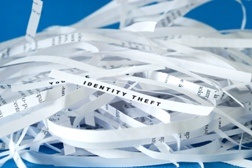 Consumers are becoming increasingly concerned about identity theft, particularly with the proliferation of e-commerce and banking online. Identity theft and fraud can be a tremendous burden on the victim, both financially and psychologically. Resolving all of these issues can take a tremendous amount of time, effort and expense on the part of the victim. Highly skilled identity thieves utilize a number of techniques in attempts to gain access to your private information. In some cases they get information from institutions or businesses by stealing records, bribing employees who have access to these records, hacking computerized records, or simply conning information from employees.
Identity theft can be as simple as stealing your mail or going your private home and/or commercial business trash. Sometimes ID thieves steal your wallet or purse. They will also fraudulently pose as potential landlords, prospective or current employers, or creditors to try to obtain your personal data from legitimate sources. Other fraudulent practices include:
Skimming
The practice of "skimming" is becoming more common. This is when a device is placed on a public ATM machine that reads the information on the magnetic strip of the bank or credit card slid through the device.
Phishing
 Phishing occurs when scammers trick consumers into giving up personal information, typically by sending out what look like official communications from banks, credit unions, or credit card companies asking you to confirm your private information including PIN numbers and other critical identifiers. Some go so far as to file a "change of address" form to divert your mail to a drop or Post Office Box address.
The IRS, for example, is warning of widespread phishing emails as tax filing deadlines near. Recently, three lawsuits were filed in Virginia, targeting ID thieves who sent official-looking emails to AOL members in an attempt to trick and lure them to websites that resembled official AOL or CompuServe websites.
You can prevent much Online Identity Theft by a few simple procedures:
These are still the two most common forms (71 percent) of ID theft—when someone uses an existing credit or debit card account to steal money. According to the FTC, about 60 percent of ID theft victims paid nothing out-of-pocket in 2005 because your liability is legally limited and card issuers or banks pay the direct losses, not you.
Credit Card Company Identity Theft
 According to a lawsuit filed several years ago by Eric Drew, a victim of identity theft, credit card companies such as Bank of America, Citibank and Chase are knowingly fostering rampant fraud and forcing their customers to deal with the results of their irresponsible credit card issuing practices. Citibank, Chase, and Bank of America issued credit in Drew's name to a hospital worker where Eric was fighting against leukemia. The companies failed to verify the applications. Instead, they opened multiple accounts and ignored Eric when he called. Drew filed negligence lawsuits against TransUnion, Bank of America, Chase, Citibank, Equifax and Experian. He recently settled with Transunion and the other suits are ongoing.
Identity Theft Law
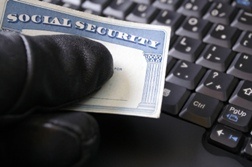 Most state laws require that Personal Identity Information (PII) is appropriately protected and that if the data is acquired by an unauthorized person through a security breach, affected individuals must be notified. For instance, under California state law, "personal identity information" means first name or initial and last name in combination with:
Who Is Responsible when my Identity is Stolen?
Clearly, if an institution or business entity fails to protect your information or is somehow party to the breach that revealed information they had filed on you, there is a definite liability question whether it be an institution, an employer, a credit bureau or the government. Even if an employee or contractor committed an illegal act and revealed your data, there may still be a liability issue for the employer of that person or their services.
 In a number of lawsuits, private institutions that hold and distribute this data have been found liable for the inappropriate or illegal release of private information and data, and the havoc it may wreak on the identity theft victim and their family.
On the other hand, if someone stole the information from your trash or you somehow failed to protect your critical personal data like credit card or bank account information, family history or you gave a password away to an acquaintance who then defrauded you, the liability of the institutions or businesses involved may be greatly lessened. You are expected to protect your personal information as well.
Am I Qualified to Complain?
If you have been the victim of identity theft, which you believe occurred due to the negligence, error or willful act of an institution, business, or employer who maintains such critical records -or through the actions of an employee/contractor for the institution, business or employer, first call your bank and/or credit card company, etc. and then talk to a qualified attorney; Identity theft almost always creates legal problems.
As well, a lawyer can point you in the right direction--some states have laws and agencies to help identity theft victims and you can also file a complaint online with the Federal Trade Commission (FTC). For identity theft victim assistance you can visit the Identity Theft Resource Center.
Last updated on
FREE IDENTITY THEFT LAWSUIT EVALUATION
Send your Identity Theft claim to a lawyer who will review your claim at NO COST or obligation.
GET LEGAL HELP NOW
GET LEGAL HELP NOW
Identity Theft
Consumers are becoming increasingly concerned about identity theft, particularly with the proliferation of e-commerce and banking online. Identity theft and fraud can be a tremendous burden on the victim, both financially and psychologically. Resolving all of these issues can take a tremendous amount of time, effort and expense on the part of the victim. Highly skilled identity thieves utilize a number of techniques in attempts to gain access to your private information. In some cases they get information from institutions or businesses by stealing records, bribing employees who have access to these records, hacking computerized records, or simply conning information from employees.
Identity theft can be as simple as stealing your mail or going your private home and/or commercial business trash. Sometimes ID thieves steal your wallet or purse. They will also fraudulently pose as potential landlords, prospective or current employers, or creditors to try to obtain your personal data from legitimate sources. Other fraudulent practices include:
Skimming
The practice of "skimming" is becoming more common. This is when a device is placed on a public ATM machine that reads the information on the magnetic strip of the bank or credit card slid through the device.
Phishing
Phishing occurs when scammers trick consumers into giving up personal information, typically by sending out what look like official communications from banks, credit unions, or credit card companies asking you to confirm your private information including PIN numbers and other critical identifiers. Some go so far as to file a "change of address" form to divert your mail to a drop or Post Office Box address.
The IRS, for example, is warning of widespread phishing emails as tax filing deadlines near. Recently, three lawsuits were filed in Virginia, targeting ID thieves who sent official-looking emails to AOL members in an attempt to trick and lure them to websites that resembled official AOL or CompuServe websites.
You can prevent much Online Identity Theft by a few simple procedures:
-
Constantly updating your web browser and operating system
Ignoring unsolicited emails
Usingstrong passwords to avoid ID hackers
Securing your system with anti-virus/anti-spyware
Safely disposing old computers
These are still the two most common forms (71 percent) of ID theft—when someone uses an existing credit or debit card account to steal money. According to the FTC, about 60 percent of ID theft victims paid nothing out-of-pocket in 2005 because your liability is legally limited and card issuers or banks pay the direct losses, not you.
Credit Card Company Identity Theft
According to a lawsuit filed several years ago by Eric Drew, a victim of identity theft, credit card companies such as Bank of America, Citibank and Chase are knowingly fostering rampant fraud and forcing their customers to deal with the results of their irresponsible credit card issuing practices. Citibank, Chase, and Bank of America issued credit in Drew's name to a hospital worker where Eric was fighting against leukemia. The companies failed to verify the applications. Instead, they opened multiple accounts and ignored Eric when he called. Drew filed negligence lawsuits against TransUnion, Bank of America, Chase, Citibank, Equifax and Experian. He recently settled with Transunion and the other suits are ongoing.
Identity Theft Law
Most state laws require that Personal Identity Information (PII) is appropriately protected and that if the data is acquired by an unauthorized person through a security breach, affected individuals must be notified. For instance, under California state law, "personal identity information" means first name or initial and last name in combination with:
- Full Social Security number;
- Driver's license number or California Identification Card number;
- Financial account, credit card, or debit card numbers; and/or
- Medical or health insurance information
Who Is Responsible when my Identity is Stolen?
Clearly, if an institution or business entity fails to protect your information or is somehow party to the breach that revealed information they had filed on you, there is a definite liability question whether it be an institution, an employer, a credit bureau or the government. Even if an employee or contractor committed an illegal act and revealed your data, there may still be a liability issue for the employer of that person or their services.
In a number of lawsuits, private institutions that hold and distribute this data have been found liable for the inappropriate or illegal release of private information and data, and the havoc it may wreak on the identity theft victim and their family.
On the other hand, if someone stole the information from your trash or you somehow failed to protect your critical personal data like credit card or bank account information, family history or you gave a password away to an acquaintance who then defrauded you, the liability of the institutions or businesses involved may be greatly lessened. You are expected to protect your personal information as well.
Am I Qualified to Complain?
If you have been the victim of identity theft, which you believe occurred due to the negligence, error or willful act of an institution, business, or employer who maintains such critical records -or through the actions of an employee/contractor for the institution, business or employer, first call your bank and/or credit card company, etc. and then talk to a qualified attorney; Identity theft almost always creates legal problems.
As well, a lawyer can point you in the right direction--some states have laws and agencies to help identity theft victims and you can also file a complaint online with the Federal Trade Commission (FTC). For identity theft victim assistance you can visit the Identity Theft Resource Center.
Identity Theft Legal Help
If you or a loved one has suffered from Identity Theft, you may qualify for damages or remedies that may be awarded in a possible lawsuit. Please click the link below to submit your complaint and we will have a lawyer review your Identity Theft complaint.Last updated on
IDENTITY THEFT LEGAL ARTICLES AND INTERVIEWS
SeaWorld Alleged to Be Fishing for Zip Code Info

Victims Targeted in Identity Theft
Suspect of Identity Theft in Washington Could Have More Than 1,000 Victims
February 28, 2013
Your zip code is private information and savvy marketers in the digital age can use that information to generate a detailed profile of your shopping habits, the kind of car you drive, provide information about how much you earn and a lot more. READ MORE
Victims Targeted in Identity Theft
April 27, 2011
If you thought identity theft was just for small-time criminals looking to make a little money, you might want to think again. Identity theft fraud can make thieves millions of dollars, making identity theft scams worth their while. Some people involved in ID theft can rack up millions of dollars in fraudulent transactions, not only benefiting themselves but also financially harming any victim of identity theft. READ MORE
Suspect of Identity Theft in Washington Could Have More Than 1,000 Victims
January 13, 2011
An Olympia, Washington man who was recently arrested may have planned the identity theft of 1,000 people, according to Thurston County Sheriff John Snaza. READ MORE
READ MORE Financial Settlements and Legal News
READER COMMENTS
Arda
on
Amber Hillmam
on
lee
on
evelyn salas
on
i want to sue chase for negligence.
JO ANN JAMES
on
Ray Perea
on
1.
I had applied for a job back in 2000.
Through a staffing service ADECCO.
Did not get the job.
In 2015 I retuned for a job through the same, while processing my paper work.
Came to discover that they had used my personal info to hire, employ and paid someone else in 2000 in Minissota.
I have never been to Minissota.
I have the PAPER WORK.
I Have PROOF that they did this to me.
I was never notified.
From what I was told by the first Detective that they even denied doing it.
2.
I had banked through the SOOPRBank on 66 & Wadsworth I used my Savings Card at an ATM they belong to Chase Bank someone got my Number, Pin etc Pulled aprx.$ 3,000,000.00 out of my accnt they could not do anything to retrieve my money.
I had to do it myself.
The Adams County Detective did receive a Picture of the person who stoll from the ATM.
Case Number.73224584 Detective Escum.
(720)809-3171
California
on
Anonymous
on
Nevada
on
New Jersey
on
I contacted my bank, had my card cancelled, and filed a RegE form with them. Both companies have stated on their websites that they require a signed receipt for delivery of any items. I have NEVER been to the UK and have never purchased anything online from either of these companies.
Colorado
on
New Jersey
on
New Mexico
on
Montana
on
Ohio
on