

LAWSUITS NEWS & LEGAL INFORMATION
Lexapro Birth Defects
Recent studies indicate that antidepressants such as Lexapro may be linked to serious newborn birth defects. Despite the potential risks of Lexapro birth defects, given that Lexapro is an FDA Pregnancy Category C drug, women may still be prescribed Lexapro while they are pregnant. According to some studies, Lexapro side effects include a risk of newborn birth defects. Such birth defects include a risk of craniosynostosis, oral clefts and congenital heart defects.
Lexapro (also known as escitalopram) is an antidepressant used to treat anxiety and major depressive disorder. It is part of a group of drugs called Selective Serotonin Reuptake Inhibitors (SSRIs).
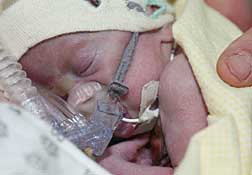 The FDA released a Health Advisory on July 19, 2006, alerting women to the risks associated with taking SSRIs while pregnant. The advisory was based on a study published in the New England Journal of Medicine that found that mothers who took SSRIs such as Lexapro during the second half of their pregnancy were six times more likely to have a baby with Persistent Pulmonary Hypertension in the Newborn (PPHN) than those who did not take SSRIs late in pregnancy.
According to Lexapro Frequently Asked Questions (at lexapro.com), "There have been no studies done to show that Lexapro is safe to use in pregnant women. Therefore, Lexapro should be used during pregnancy only if the potential benefit justifies the potential risk to the unborn child."
Studies suggest that use of SSRI medications, such as Lexapro, during pregnancy can increase the risk of cardiac birth defects. These include:
Lexapro and Coarction of the aorta: Occurs when the infant's aorta is too narrow, resulting in uneven blood flow throughout the body. Coarction of the aorta may require medical intervention and/or surgery.
Lexapro and Hypoplastic Left Heart Syndrome: Occurs when the left side of the infant's heart, which includes the mitral valve, left ventricle and aorta, does not develop properly. This can result in sudden death. Patients may require surgeries and/or a heart transplant to survive. Furthermore, patients who survive may require further surgery later in life.
Lexapro and Pulmonary Stenosis: Narrowing of the pulmonary valve that results in less blood flow to the lungs.
Lexapro and Septal Defect: Occurs when a hole develops in the wall of the infant's heart. This can result in improper blood circulation, which causes the heart to work harder than it should. Patients may require open-heart surgery.
Lexapro and Tetralogy of Fallot: This birth defect, which actually involves four components, (narrowing of the pulmonary valve, large ventricular septal defect, dilated aorta connected to both the left and right ventricles and thickening of the right ventricle) can result in blood not receiving enough oxygen from the lungs before traveling throughout the body. Surgery can be required.
Lexapro and Transposition of the Great Arteries: This occurs when the aorta and the pulmonary artery, which carry blood away from the heart, are switched. It can result in a lack of oxygen in the blood and often requires surgery to recover. Transposition of the great arteries is also known as transposition of the great vessels.
Lexapro and Craniosynostosis: Occurs when one or more of the sutures in an infant's skull harden prematurely. This can cause a misshapen skull, intracranial pressure, and a lack of growth in the child's head as she ages. A 2007 study, published in the New England Journal of Medicine (06/28/07), found an association between the use of SSRis during pregnancy and a risk of craniosynostosis.
Lexapro and Cleft Palate: Occurs when the separate parts of the skull that form the roof of the mouth do not join completely, causing a cleft. An incomplete cleft is a hole on the roof of the mouth, which a complete cleft palate involves the soft and hard palate. A cleft palate can cause problems with feeding, speech and breathing and can cause ear infections and hearing loss.
Lexapro and Cleft Lip: A facial defect affecting the infant's upper lip. A partial cleft is a small indent in the lip, which a complete cleft is a large groove that runs from the upper lip to the nose. The cleft can cause delays in speech and language.
Lexapro and Club Foot: Occurs when the bones, joints, muscles and blood vessels in an infant's leg and foot are abnormal. It can affect one or both feet and generally presents with the foot turned inward and downward. Without treatment, club foot can cause pain and problems with mobility.
Lexapro and PPHN: PPHN, or Persistent Pulmonary Hypertension of the Newborn, occurs when the blood flow to the lungs is constricted, limiting oxygen in the blood stream. PPHN can be fatal. Infants who survive often require medical intervention, sometimes including heart transplants.
Last updated on
En Español LEXAPRO HPPR DEFECTOS DE NACIMIENTO
FREE LEXAPRO BIRTH DEFECT LAWSUIT EVALUATION
Send your Lexapro Birth Defect claim to a lawyer who will review your claim at NO COST or obligation.
GET LEGAL HELP NOW
GET LEGAL HELP NOW
Lexapro
The FDA released a Health Advisory on July 19, 2006, alerting women to the risks associated with taking SSRIs while pregnant. The advisory was based on a study published in the New England Journal of Medicine that found that mothers who took SSRIs such as Lexapro during the second half of their pregnancy were six times more likely to have a baby with Persistent Pulmonary Hypertension in the Newborn (PPHN) than those who did not take SSRIs late in pregnancy.
According to Lexapro Frequently Asked Questions (at lexapro.com), "There have been no studies done to show that Lexapro is safe to use in pregnant women. Therefore, Lexapro should be used during pregnancy only if the potential benefit justifies the potential risk to the unborn child."
Lexapro Side Effects
Lexapro and Coarction of the aorta: Occurs when the infant's aorta is too narrow, resulting in uneven blood flow throughout the body. Coarction of the aorta may require medical intervention and/or surgery.
Lexapro and Hypoplastic Left Heart Syndrome: Occurs when the left side of the infant's heart, which includes the mitral valve, left ventricle and aorta, does not develop properly. This can result in sudden death. Patients may require surgeries and/or a heart transplant to survive. Furthermore, patients who survive may require further surgery later in life.
Lexapro and Pulmonary Stenosis: Narrowing of the pulmonary valve that results in less blood flow to the lungs.
Lexapro and Septal Defect: Occurs when a hole develops in the wall of the infant's heart. This can result in improper blood circulation, which causes the heart to work harder than it should. Patients may require open-heart surgery.
Lexapro and Tetralogy of Fallot: This birth defect, which actually involves four components, (narrowing of the pulmonary valve, large ventricular septal defect, dilated aorta connected to both the left and right ventricles and thickening of the right ventricle) can result in blood not receiving enough oxygen from the lungs before traveling throughout the body. Surgery can be required.
Lexapro and Transposition of the Great Arteries: This occurs when the aorta and the pulmonary artery, which carry blood away from the heart, are switched. It can result in a lack of oxygen in the blood and often requires surgery to recover. Transposition of the great arteries is also known as transposition of the great vessels.
Other possible Lexapro birth defects
Lexapro and Craniosynostosis: Occurs when one or more of the sutures in an infant's skull harden prematurely. This can cause a misshapen skull, intracranial pressure, and a lack of growth in the child's head as she ages. A 2007 study, published in the New England Journal of Medicine (06/28/07), found an association between the use of SSRis during pregnancy and a risk of craniosynostosis.
Lexapro and Cleft Palate: Occurs when the separate parts of the skull that form the roof of the mouth do not join completely, causing a cleft. An incomplete cleft is a hole on the roof of the mouth, which a complete cleft palate involves the soft and hard palate. A cleft palate can cause problems with feeding, speech and breathing and can cause ear infections and hearing loss.
Lexapro and Cleft Lip: A facial defect affecting the infant's upper lip. A partial cleft is a small indent in the lip, which a complete cleft is a large groove that runs from the upper lip to the nose. The cleft can cause delays in speech and language.
Lexapro and Club Foot: Occurs when the bones, joints, muscles and blood vessels in an infant's leg and foot are abnormal. It can affect one or both feet and generally presents with the foot turned inward and downward. Without treatment, club foot can cause pain and problems with mobility.
Lexapro and PPHN: PPHN, or Persistent Pulmonary Hypertension of the Newborn, occurs when the blood flow to the lungs is constricted, limiting oxygen in the blood stream. PPHN can be fatal. Infants who survive often require medical intervention, sometimes including heart transplants.
Lexapro Birth Defects Legal Help
If you took Lexapro while pregnant, and your baby was born with PPHN or later developed PPH, a lawyer may be able to help you. Please click the link below and your claim will be sent to an attorney who will evaluate your case for free.Last updated on
LEXAPRO BIRTH DEFECT LEGAL ARTICLES AND INTERVIEWS
Depression and Pregnancy Good Combo for Lexapro Sales

In Lexapro Birth Defects Litigation, Does the Doctor Share the Blame?

Are Opinions Changing Over the Potential for Lexapro Birth Defects?

January 24, 2015
The maker of the popular antidepressant Lexapro lost millions in sales when the drug’s patent expired in early March of 2012. Lexapro brought in $13.8 billion for Forest Laboratories in just one decade - that’s a whole lot of depressed people, including pregnant women, some of whom gave birth to babies with birth defects. READ MORE
In Lexapro Birth Defects Litigation, Does the Doctor Share the Blame?
December 23, 2014
As we prepare to head into the ninth year since the US Food and Drug Administration (FDA) first released its safety advisory with regard to Selective Serotonin Reuptake Inhibitors (SSRIs) and their use by pregnant women, pundits will be watching the legal horizon for SSRI birth defect lawsuits scheduled to get underway in 2015. As of October there were about 200 lawsuits alleging SSRI and Lexapro birth defects in multidistrict litigation in Cole County Circuit Court Missouri. READ MORE
Are Opinions Changing Over the Potential for Lexapro Birth Defects?
November 25, 2014
It will soon be a year since Michigan resident Chandra Shuck launched her Lexapro birth defects lawsuit against Forest Laboratories Inc. (Forest) and H. Lundbeck A/S (Lundbeck). It’s been a lot longer since Shuck held her infant daughter in her arms. The little girl died in the third week of April 2005 after enduring four open heart surgeries in an attempt to correct heart defects. The infant survived just two weeks. READ MORE
READ MORE Drugs/Medical Settlements and Legal News
READER COMMENTS
Marissa Hodgson
on
Jim
on
Missouri
on
Illinois
on