

LAWSUITS NEWS & LEGAL INFORMATION
AMO Complete MoisturePlus Multi-Purpose Lens Solution
In May 2007, Advanced Medical Optics (AMO) of Santa Ana, CA. voluntarily recalled Complete Moisture Plus in the US after reports linked the contact lens solution to Acanthamoeba keratitis, a rare but serious and painful eye infection of the cornea that can result in blindness, from using AMO's Complete MoisturePlus Multi Purpose contact lens solution.
FREE AMO LAWSUIT EVALUATION
Send your AMO claim to a lawyer who will review your claim at NO COST or obligation.
GET LEGAL HELP NOW
GET LEGAL HELP NOW
Lens Solution Recalled: Victims Lose Site
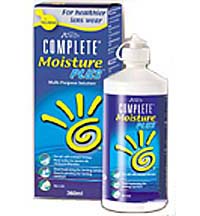 Injured consumers worldwide reported loss of vision due to the product: one man in Brisbane, Australia claims that he lost vision in his right eye a few months after using the contact lens solution and filed a lawsuit against AMO in Orange County, California.
In July, 2006 a man in North Carolina began to suffer symptoms of pain, light sensitivity, tearing, and vision impairment in his left eye after using AMO. In August 2006, he was diagnosed with Acanthamoeba keratitis and by July 2007, all this time in severe pain, his doctor ordered an emergency corneal transplant.
Injured consumers worldwide reported loss of vision due to the product: one man in Brisbane, Australia claims that he lost vision in his right eye a few months after using the contact lens solution and filed a lawsuit against AMO in Orange County, California.
In July, 2006 a man in North Carolina began to suffer symptoms of pain, light sensitivity, tearing, and vision impairment in his left eye after using AMO. In August 2006, he was diagnosed with Acanthamoeba keratitis and by July 2007, all this time in severe pain, his doctor ordered an emergency corneal transplant. 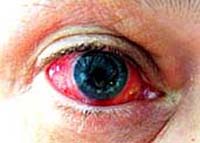 In June, 2007 a Texas resident filed a lawsuit against AMO alleging that she suffered permanent vision loss due to Acanthamoeba keratitis, from use of AMO's Complete MoisturePlus Multi Purpose contact lens solution. She began to suffer symptoms of light sensitivity, tearing, and redness in 2004, but her doctors were unable to diagnose her condition. By the end of 2004, she lost the vision in her left eye and in January 2005, she was finally diagnosed with Acanthamoeba keratitis. The woman waited nine months for a corneal transplant--her vision is still impaired.
 There are currently more than 48 separate lawsuits involving over 80 individual plaintiffs pending against AMO, including several class actions. Lawyers predict that more cases will be filed as medical records of potential claimants are evaluated.
AMO Recalled
The recall followed a warning from the US Centre for Disease Control and Prevention (CDC) that the risk of developing the rare eye infection was at least seven times greater for those using the product. A spokesman for CDC reportedly called the continued use of the product by those unaware of the risk "a real tragedy."
By July 31, the FDA announced on its website that the recall had been reclassified from "voluntary" to "Class 1," which FDA reserves for cases where product use is associated with the "reasonable probability" of "serious adverse health consequences or death." Although the FDA alerted health care workers and soft contact lens customers about the recall, lawsuits state that AMO failed to adequately notify consumers and retailers of the recall.
Complaints allege that AMO's contact lens solution was not effective in disinfecting contact lenses; it was inferior to other multipurpose solutions available on the market; and that AMO's own data demonstrated the product's lack of effectiveness in preventing the growth of protozoa microorganisms, including acanthamoeba.
By July 31, the FDA announced on its website that the recall had been reclassified from "voluntary" to "Class 1," which FDA reserves for cases where product use is associated with the "reasonable probability" of "serious adverse health consequences or death." Although the FDA alerted health care workers and soft contact lens customers about the recall, lawsuits state that AMO failed to adequately notify consumers and retailers of the recall.
Complaints allege that AMO's contact lens solution was not effective in disinfecting contact lenses; it was inferior to other multipurpose solutions available on the market; and that AMO's own data demonstrated the product's lack of effectiveness in preventing the growth of protozoa microorganisms, including acanthamoeba.
AMO Eye Infection Legal Help
If you reside in Canada, please [click here] for the Canadian complaint form.US residents: If you or a loved one has developed an eye infection after using AMO Complete MoisturePlus Multi-Purpose lens solution, please click the link below to send your complaint to a lawyer to evaluate your claim at no cost or obligation.
Last updated on
AMO LEGAL ARTICLES AND INTERVIEWS
AMO Contact Lens Solution: Patients Investigate Lawsuits
FDA Looks to Stricter Rules for AMO Solution
AMO Complete MoisturePlus Recall: Many Missed the Memo…

June 17, 2008
Although the US Food and Drug Administration (FDA) is considering stricter labeling guidelines for AMO contact lens solution and other similar products, the damage has already been done to many consumers who suffered terrible pain because of an AMO-related infection. Many are now filing lawsuits alleging that AMO Complete MoisturePlus contact lens solution was responsible for their infections and that they were not properly warned about the risks associated with the cleanser. READ MORE
FDA Looks to Stricter Rules for AMO Solution
June 11, 2008
The US Food and Drug Administration (FDA) is considering stricter testing standards for contact lens solutions such as AMO Complete MoisturePlus. The organization's move is in response to recalls of two lens solutions after they were linked to hundreds of serious eye infections. Meanwhile, people whose eyes were severely affected by the infections are filing lawsuits against AMO. READ MORE
AMO Complete MoisturePlus Recall: Many Missed the Memo…
May 29, 2008
The problem with a product recall is that it's only as effective as the communication between the manufacturer, and the end user. In the case of James Millard Wilson, he didn't get the message. The young art student from Baltimore had been having trouble with his eyes, and had no idea that his AMO Complete MoisturePlus Contact Lens solution had been recalled. READ MORE
READ MORE Defective Products Settlements and Legal News
READ MORE Personal Injury Settlements and Legal News
READ MORE Personal Injury Settlements and Legal News
READER COMMENTS
Saskatchewan
on
Puerto Rico
on
Massachusetts
on
California
on
New York
on
New Hampshire
on
New York
on
In the course of five days my vision went from discomfort to extreme pain to blindness.
Although compound antibiotics eventually cleared up the infection both of my corneas are scarred and I am blind in my right eye.
Illinois
on