Posts Tagged ‘ Tyson Foods ’
Tyson Chicken Settlement Raises Question of Lawyer Compensation
January 20th, 2010. By AbiK
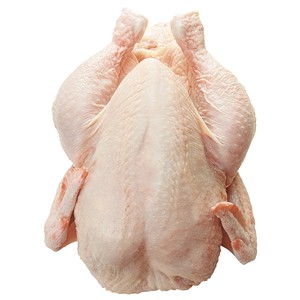 So the Tyson Chicken proposed settlement could give consumers $5 million in refunds and coupons.
The Tyson Chicken proposed settlement could also give the plaintiffs’ attorneys $3 million in fees and court costs. Not.
Not if federal Judge Richard D. Bennett has anything to do with it. And I can’t entirely blame him—but not for the reasons you think.
Before I have a slew of attorneys bashing me, I have previously defended the payments attorneys request as part of settlements. Let’s face it, the attorneys usually put up the money themselves to litigate a case—i.e., there’s zip in cash flow until the case is settled—and won. So all the hours they work, travel they incur, office rent, staff salaries—all of it has to be paid out-of-pocket. Additionally, a case can take years to wind its way through the system—again, while there’s zilch in income. And let’s not forget that there isn’t one attorney pocketing whatever comes their way in a settlement; when we’re talking class actions, we’re talking lots and lots of lawyers, researchers, admin staff…who need to get paid (did I mention the electric bill?).
So when you hear a settlement of $3 million, and think that the first lawsuits in this case were filed in 2008, well, Read the rest of this entry »

Find us on


Archive by Category
- Accidents (24)
- Airlines (9)
- Asbestos Mesothelioma (262)
- Automotive (25)
- Celebrity (14)
- Class Action (84)
- Complaints/Comments (15)
- Consumer Fraud (84)
- Contest (2)
- Court of Public Opinion (5)
- Crazy Sh*t Lawyers See (61)
- Criminal Law (4)
- Defective Products (111)
- DePuy ASR Hip Recall (2)
- Discrimination (22)
- Drugs/Medical (248)
- Elder Care Abuse (4)
- Emerging Issues (462)
- Employment (54)
- Environment (52)
- Financial (28)
- Food Illness (15)
- Human/Civil Rights (4)
- Insecurities (5)
- Insurance (16)
- Intellectual Property (16)
- Internet/E-commerce (19)
- lawsuits (161)
- Lawyers (20)
- Lawyers Giving Back (43)
- Lex Levity (10)
- Personal Injury (106)
- Pleading Ignorance (53)
- Real Estate (2)
- Recall (6)
- Scam (3)
- Securities (13)
- Settlement (81)
- Tort Reform (2)
- Totally Tortelicious (81)
- Veterans (11)
- Whistleblower (9)