Posts Tagged ‘ paxil ’
What’s Making You Fat? 2 Popular Drugs could be Packing on Pounds (or Worse)
July 29th, 2012. By AbiK
 You’re wondering what’s going on, right? It’s not like you’re doing a solo flight with a pint of Häagen-Daz every night before bed or blowing through the Taco Bell drive-thru each day rattling off an order for a couple dozen 99¢ Beefy Nacho Burritos (in a large shopping bag, thanks). But something’s making you gain weight or keep it on…
Indeed, obesity has become what some would call an epidemic. Heck, all you need to do is turn to the media to find words like “diabesity” being used to realize how much obesity—or discussion about it—has infiltrated our lives. But could there must be something else going on?—something other than a big food orgy that most of us didn’t even know we were attending?
Perhaps. That something could be a vicious cycle you’re in—where, by treating a condition that’s potentially related to weight gain, the treatment you’re on can actually lead to more pounds. Unfortunately for some, the treatment can also lead to harmful drug side effects—which in turn can lead to a drug-related personal injury lawsuit. A vicious cycle, indeed. The following two conditions and treatments are examples of vicious cycles that could be causing weight gain and putting you at risk for some unwanted side effects:
1. Antidepressants are Making You Gain Weight
Somehow it’s easy to link depression to weight gain—it’s that “emotional eating” theory. But treating depression with antidepressants can also lead to weight gain. That’s right—the very drug you might be taking to help you avoid emotional eating might also be causing your weight gain. Paxil, Prozac and Zoloft each have possible weight gain as a side effect (in addition to other serious potential side effects like SSRI birth defects or suicidal thoughts). And it’s estimated that about 25% of those taking an antidepressant will experience some weight gain.
Additionally, atypical antipsychotic medications Zyprexa, Abilify, Risperdal and Seroquel have been linked to rapid (and dangerous) weight gain in children.
2. Diabetes Medication is Making You Gain Weight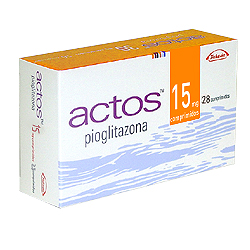
Remember that 70’s Billy Preston song, “Will It Go Round In Circles”? Well, diabetes and treating diabetes have that ‘going around in circles’ thing going on. Unfortunately, being overweight or obese can be a precursor to type 2 diabetes. Once diagnosed, some diabetes patients are put on a thiazolidinedione drug such as Actos. One of the more common side effects of Actos can be weight gain—the very thing that may have contributed to onset of type 2 diabetes in the first place (see it coming full circle?) The Actos labelling info also includes “rapid weight gain” as a possible serious side effect which requires immediate medical attention.
Weight gain may be the least of the worries for Actos side effects, though. Actos has also been associated with bladder cancer, heart failure and liver problems.
As always, before stopping any medication, or when noticing any concerning side effects, talk to your doctor.
Top 10 Drugs with Heart Side Effects on LawyersandSettlements.com
January 31st, 2012. By AbiK
 In recognition of American Heart Month, which kicks off tomorrow (Feb. 1st), and National Wear Red Day (Feb. 3rd), LawyersandSettlements.com takes a look at our most-viewed drug lawsuit topics for 2011 in which heart attack or heart side effects were the alleged primary injuries.
Unfortunately, while a lot of focus this month will be on the positive measures we all can take to improve heart health—and that’s certainly important—it can be easy to overlook the negative heart side effects some drugs can have—and attention should be given to those as well.
As the chart at left depicts, Actos, Paxil and Zoloft accounted for the majority of 2011 traffic related to heart side effects, with Actos receiving the most at 25 percent. The Type 2 diabetes drug was released as an alternative to Avandia, which as you’ll recall came off pharmacy shelves as a result of the new FDA REMS program that became effective in November, 2011. Still, Avandia came in as the fourth most popular heart lawsuit topic.
Paxil, the popular antidepressant, has been linked to heart birth defects in infants and the drug drove in 18 percent of traffic last year. Ditto Zoloft, which accounted for 10 percent of the pageviews among readers concerned over the potential for heart birth defects.
The ten prescription drugs on the list fall into four distinct classes: Actos and Avandia are prescribed for the treatment of Type 2 Diabetes; Vytorin helps to control cholesterol, which has a direct impact on heart health; Trasylol is used during surgery to mitigate blood loss; the remaining drugs address depression and anxiety.
Reader interest in Prozac, Lexapro, Effexor, Celexa, Zoloft and Paxil shows continued concern surrounding pregnant women using selective serotonin reuptake inhibitors (SSRI) drugs and potential heart birth defects.
Here’s the full list:
Top 10 Drug Lawsuit Topics for Heart Side Effects in 2011
- Actos (Pioglitazone HCl)
- Paxil (Paroxetine)*
- Zoloft (Sertraline)*
- Avandia (Rosiglitazone)
- Celexa (Citalopram)*
- Effexor (Venlafaxine)*
- Lexapro (Escitalopram)*
- Prozac (Fluoxetine)
- Trasylol (Aprotinin)
- Vytorin (Ezetimibe/Simvastatin)
*SNRI (serotonin-norephinephrine reuptake inhibitor) or SSRI (selective serotonin reuptake inhibitors) drugs associated with heart birth defects when taken during pregnancy
Questions about Antidepressants and Pregnancy
January 14th, 2011. By AbiK
 There’s a lot in the news about pregnancy and antidepressants (SSRI’s in particular—and especially Paxil, which has a Category D rating by the FDA). And we get a lot of comments and emails from readers who are either looking for information about SSRI drugs and pregnancy—or who share their stories about negative side effects they’ve experienced while taking antidepressants.
It’s a tough call—particularly when depression and pregnancy are not exactly mutually exclusive of each other. As any mom will tell you—even the ones who “just love being a mom!” and “always wanted to have at least 4 kids!”—you know who I mean—there are moments when you’re exhausted, down, emotionally drained. For many, it’s a circumstantial situation that, given a few hours, some diversions, or a good workout, tends to go away and resolve on its own. But not for everyone. And that’s where depression medication comes into play. Bottom line, it’s no accident that “Peanut Butter, Playdates & Prozac” became a popular read…
We publish a lot of information at LawyersandSettlements to help readers understand what’s going on with antidepressant lawsuits. But we also post background information as well—and for those of you who’ve written in requesting information about antidepressants and pregnancy, I’ve pulled some of our informative posts. Here they are:
Paxil Birth Defects: Baby Beware! A look at Paxil, pregnancy and depression
Antidepressant Guide: the Brands, the Generics & Who Makes Them List of antidepressant brand names and the names of their generic equivalents, and their manufacturers
Antidepressants: Know what they’re Winding you Up With Information about antidepressant drug classifications–the “umbrella” categories that antidepressant drugs fall into: SSRI, SNRI, NDRI, MAOI, and Tricyclics.
Having a Baby? Get to Know the FDA Drug Classifications Information about FDA pregnancy ratings for drugs. (Category A, Category B, Category C, Category D, and Category X—the system in which Paxil has been classified as Category D; and antidepressants like Effexor and Celexa are Category C. For those wondering, the Prozac pregnancy rating and the Zoloft pregnancy rating are both Category C at present as well).
Mom Alert: Would you want a 68% Higher Risk of Miscarriage? Study showing high rate of SSRI miscarriage risk—as well as SNRI and Tricyclic risk. Study looked at citalopram, fluoxetine, fluvoxa-mine, paroxetine, sertraline, ami-triptyline, clomipramine, desipramine, doxepin, imipramine, nortriptyline, trimipramine, venlafaxine, serotonin modulators, monoamine oxidase inhibitors, tetracyclic piperazino-azepines, and dopamine and norepinephrine reuptake inhibitors.
Hope this info helps—but remember, please consult your physician for medical advice about your particular situation—only your doctor(s) can advise and treat you. If you need legal help…that’s another story…
2010: Annus Horribilis for GlaxoSmithKline?
December 20th, 2010. By Kristine B
 Let’s face it, lots of drug companies face a variety of lawsuits and fines from the government. But 2010 might be a year that GlaxoSmithKline would wipe from its memory if it could—a sort of annus horribilis, if you will. Between the reported Paxil settlements, massive fines for illegal activity at its Puerto Rico plant and huge restrictions on its diabetes drug, Avandia, GSK appeared to be facing a TKO as we moved into 4Q’2010. So officials at GlaxoSmithKline could be forgiven if they toast the New Year and hope it’s better than the last 12 months…
Paxil Settlements
Earlier this year, various media outlets reported that GlaxoSmithKline agreed to settle certain lawsuits alleging Paxil caused birth defects. According to Bloomberg, the drug maker agreed to pay more than $1 billion to settle approximately 800 lawsuits.
Meanwhile, a separate lawsuit also alleging Paxil birth defects, saw the family of an infant who died less than two months after birth, settle with GlaxoSmithKline for an undisclosed amount. In yet a different lawsuit, the family of a boy born with heart defects was awarded $2.5 million by a jury, which found that GlaxoSmithKline officials “negligently failed to inform” the mother’s physician about the risk of birth defects.
Fines for the Glaxo Puerto Rico Plant
In October of this year, GlaxoSmithKline agreed to pay $750 million to settle allegations of wrongdoing at the company’s Puerto Rico plant, which is now closed. An investigation into the plant found that improper manufacturing procedures resulted in medications that could split apart or had improper amounts of the active ingredient. Officials alleged that GlaxoSmithKline knowingly manufactured, distributed and sold medications that did not meet FDA standards.
As part of the settlement, a whistleblower in the case received a whopping $96 million. So for her, 2010 might just have been a fantastic year.
Avandia
Also this year, GlaxoSmithKline learned that its diabetes drug, Avandia, would carry severe restrictions on who can take the medication. The decision came after an FDA advisory panel recommended that use of Avandia be restricted in light of serious side effects. Patients who are not currently on Avandia will have to try other diabetes medications before using Avandia and will have to show they have been made aware of Avandia side effects. Although some people consider it a victory that Avandia was not pulled entirely from the market, these restrictions will likely have an impact on Avandia profits.
Based on those three issues alone, 2010 might be a year that GlaxoSmithKline tries—ever so hard—to forget.
Whistle while you Work? Sad Reality in American Business
November 2nd, 2010. By Hunter West
 Anyone who is aghast at the recent $750 million GlaxoSmithKline (Glaxo) whistleblower judgment to settle manufacturing deficiencies at a former plant in Puerto Rico shouldn’t be surprised that such things are going on. Happens all the time, it seems. And not just to Glaxo, either.
In actual fact, that $750 million—of which the whistleblower earns a share of the penalty totaling a whopping $96 million—pales in comparison to the $3.1 billion that the US Department of Justice has recovered under the federal False Claims Act so far in just this fiscal year alone.
Last year the haul was almost twice that—$5.6 billion.
Some will say that the whistleblower is an opportunist hoping for a big payday in the end, and will take any amount of criticism and crap en route to the pot at the end of the rainbow. Hell, I’d put up with a lot of grief to collect $96 million.
I would even eat liver.
But to those who view whistleblowers as ambulance chasers, consider the amount of fraud and wrongdoing that serves as a persistent blight on the business landscape. Somebody has to expose such misdeeds—and if the government can’t route out the evil-doers (sorry ‘W’…) on their own, then they have to provide incentive for those who can.
We would all wish that whistleblowers were not necessary. In a perfect world every business and corporate entity would operate with integrity and play by the rules.
Sadly, that’s not the case.
According to Taxpayers Against Fraud, a not-for-profit that supports whistleblower lawsuits, Read the rest of this entry »

Find us on


Archive by Category
- Accidents (24)
- Airlines (9)
- Asbestos Mesothelioma (262)
- Automotive (25)
- Celebrity (14)
- Class Action (84)
- Complaints/Comments (15)
- Consumer Fraud (84)
- Contest (2)
- Court of Public Opinion (5)
- Crazy Sh*t Lawyers See (61)
- Criminal Law (4)
- Defective Products (111)
- DePuy ASR Hip Recall (2)
- Discrimination (22)
- Drugs/Medical (248)
- Elder Care Abuse (4)
- Emerging Issues (462)
- Employment (54)
- Environment (52)
- Financial (28)
- Food Illness (15)
- Human/Civil Rights (4)
- Insecurities (5)
- Insurance (16)
- Intellectual Property (16)
- Internet/E-commerce (19)
- lawsuits (161)
- Lawyers (20)
- Lawyers Giving Back (43)
- Lex Levity (10)
- Personal Injury (106)
- Pleading Ignorance (53)
- Real Estate (2)
- Recall (6)
- Scam (3)
- Securities (13)
- Settlement (81)
- Tort Reform (2)
- Totally Tortelicious (81)
- Veterans (11)
- Whistleblower (9)