Posts Tagged ‘ Hydroxycut ’
Top 10 2012 FDA Consumer Health Update Topics
February 12th, 2013. By AbiK
 Ever wonder what gets the most traffic over at the FDA website? According to an update at the Brandon Patch, more than 7.3 million people visited the Food and Drug Administration online last year to check out the consumer updates section of the website (fda.gov). What were they looking for? The following were the ten most popular topics readers sought out at the FDA. Many, as you’ll see, were topics covered at LawyersandSettlements.com as well.
Top 10 2012 FDA Consumer Health Update Topics
1. When to dispose of unused medicines–how long should medicines be kept and how to safely dispose of them.
2. Questions regarding potentially harmful presence of mercury in skin products sold illegally in U.S.
3. HCG diet products and their potential link to blood clots, depression and other harmful side effects.
4. Dietary supplement Hydroxycut, and its alleged connection to liver-related illness.
5. Questions over arsenic contained in rice.
6. Concerns over tattoo inks being linked to serious infection.
7. Safety concerns over the additive triclosan, which is commonly found in antibacterial lotions or hand sanitizers.
8. Thickening agents, like SimplyThick, which were connected to reports of infant deaths.
9. Statins and the risk of rhabdomyolysis and cardiomyopathy.
10. Finally, one for man’s best friend: information on the symptoms and treatment of Cushing’s disease in dogs.
Zicam, Hydroxycut, Ephedra: Separated at Birth, now need Babysitter
September 16th, 2009. By Kristine B
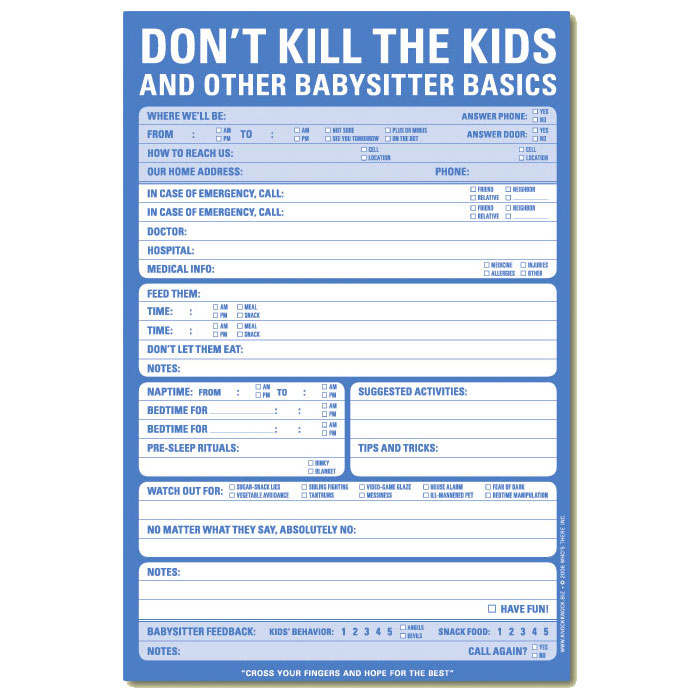 What do Zicam, Ephedra and Hydroxycut have in common?—and no, you can’t look at side-by-side pictures for this one. If you’ve been following the news, turns out they have a lot more in common than you’d think. All three…
- were marketed as “natural” products that people turned to in a time of need
- weren’t required to test their safety before being marketed
- caused nationwide recalls when reports of serious side effects started rolling in
and…
- were assumed to be safe because they were marketed as “natural”
And while each of these has been yanked from the market, those of their ilk that are still on the market now need some babysitting (i.e., tighter regulation and increased safety testing).
The bottom line is that people think “natural” equals “safe.” Unfortunately, that’s just not always true. Something can be natural and still harmful—Poison Ivy, anyone? And the food industry is renowned for giving new meaning to “natural”. Check out the Jelly Belly site and you’ll see the superfruit mix is: Naturally Sweetened, High in Antioxidant Vitamin C, Made with Real Fruit Juices and Purees, and have Colors from Natural Sources. Great—but I won’t be getting my USRDA of vitamin C from ’em. Read the rest of this entry »
Hydroxycut Diet Pill vs Cigarettes
July 16th, 2009. By janem
If I want to lose weight, I figure that smoking would get the same result as Hydroxycut. Cigarettes and Hydroxycut have a few things in common: they speed up your metabolism, they are appetite suppressants and they are extremely dangerous to your health.
When I quit smoking years ago, I gained 15 pounds. It took some time, but I got rid of the excess weight by exercise and good eating habits. Many people choose a “quick fix” to shed pounds even though it’s common knowledge that diet pills don’t work. In fact they are downright dangerous; remember Fen-phen? It was recalled for contributing to fatal heart valve damage.
But diet pills are extremely popular and no wonder; according to the FDA, about 120 million Americans are overweight and 54 million are obese. And getting back to ciggies, while smoking is on the decline, overweight and obesity statistics are rapidly rising and obesity is the second most devastating avoidable cause of premature death in the US after tobacco. So can diet drugs save lives by curbing obesity? Doubtful.
Not only can diet pills deprive the body of essential nutrients, some pills can do irreversible damage such as Hydroxycut, which is known to cause liver damage and more. And more often than not, people just gain weight back—if the diet pills haven’t caused serious damage otherwise beforehand. Ask your doctor; the only way to lose weight is good old exercise and eating healthy foods.
Raptiva, Reglan, Hydroxycut, Heparin and Floppy Hats
June 22nd, 2009. By AbiK
Ok folks. Let’s play a little “One of these things is not like the other; one of these things just doesn’t belong…” Sing along with me if you’d like. Or not. Either way, I’m betting the farm that you’re going to pick (drum roll please) Floppy Hats as your answer.
Raptiva, Reglan, Hydroxycut and Heparin are all drugs (one’s a supplement) that have either been directly linked to adverse (and dangerous) side effects and have been yanked or recalled from shelves by the FDA—or have received a more stringent black box warning in recent months. Each is a current legal issue with lawsuits pending.
Floppy Hats? That would be a suit, too, brought forth by Alfred G. Rava—a California lawyer. Seems he felt pretty injured (my words) when he didn’t receive a floppy hat as a giveaway at an Oakland A’s game in 2004. See, according to a great post by Rick Reilly over at ESPN.com (6/12/09), Read the rest of this entry »
Hydroxycut Class Action Filed in California
June 17th, 2009. By admin
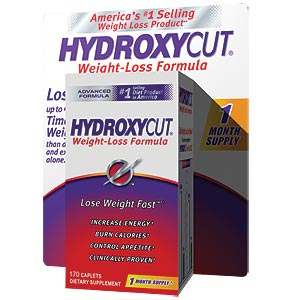 Here’s one that just came flying across my virtual desk—yes, it does happen to be from a law firm that advertises on LawyersandSettlements.com, but given that Hydroxycut Diet Supplements were touted as “America’s #1 Selling Weight Loss Product” (right on the package!), it does make you wonder about the extent to which adverse effects with Hydroxycut have been underreported. Here’s the release…
Baum, Hedlund, Aristei & Goldman Files National Hydroxycut Consumer Fraud Class Action Lawsuit on Behalf of Millions Who Consumed the Recalled Weight Loss Supplement
LOS ANGELES– Recalled Hydroxycut products are defective and dangerous according to a lawsuit filed today by Baum, Hedlund, Aristei & Goldman in federal court in Los Angeles on behalf of everyone who consumed any of the recalled weight loss Hydroxycut supplements.
The lead plaintiff in this class action, Marvin Thomas of Los Angeles, is seeking compensatory, equitable, declaratory, and injunctive relief for himself and everyone in the Hydroxycut class against the defendants for, among other things, violations of various states’ deceptive trade practices acts, misrepresentation, fraudulent, false and misleading advertisements, and unjust enrichment by distributing a product about which they had been making unsubstantiated claims of safety and effectiveness.

Find us on


Archive by Category
- Accidents (24)
- Airlines (9)
- Asbestos Mesothelioma (262)
- Automotive (25)
- Celebrity (14)
- Class Action (84)
- Complaints/Comments (15)
- Consumer Fraud (84)
- Contest (2)
- Court of Public Opinion (5)
- Crazy Sh*t Lawyers See (61)
- Criminal Law (4)
- Defective Products (111)
- DePuy ASR Hip Recall (2)
- Discrimination (22)
- Drugs/Medical (248)
- Elder Care Abuse (4)
- Emerging Issues (462)
- Employment (54)
- Environment (52)
- Financial (28)
- Food Illness (15)
- Human/Civil Rights (4)
- Insecurities (5)
- Insurance (16)
- Intellectual Property (16)
- Internet/E-commerce (19)
- lawsuits (161)
- Lawyers (20)
- Lawyers Giving Back (43)
- Lex Levity (10)
- Personal Injury (106)
- Pleading Ignorance (53)
- Real Estate (2)
- Recall (6)
- Scam (3)
- Securities (13)
- Settlement (81)
- Tort Reform (2)
- Totally Tortelicious (81)
- Veterans (11)
- Whistleblower (9)