Posts Tagged ‘ Class Action Lawsuit ’
Top 10 Most Ridiculous Claims that led to Lawsuits in 2012
March 19th, 2013. By LucyC
 LawyersandSettlements.com is releasing its list of the Top 10 Most Ridiculous Marketing Claims from consumer fraud lawsuits during the last year.
The alleged false advertising claims found in these ten consumer fraud lawsuits shows the extent to which marketers may go in order to promote their products, as well as the level of consumer savviness that exists in the marketplace. Consumers will clearly check marketers on promotional claims where product performance does not appear to live up to what’s being promised.
Here, our list of most ludicrous marketing claims found in consumer fraud class action lawsuits during 2012:
1. Coty’s Rimmel London Lash Accelerator was the target of a consumer fraud class action in 2012. Filed in federal court in California, the consumer fraud class action lawsuit, entitled Algarin v. Coty Inc., Case No. 12-cv-2868 JAH JMA) alleged that Coty deceives consumers by advertising that Rimmel London Lash Accelerator mascara with Grow-Lash Complex lengthens eyelashes by 37 percent within one month and, with regular use, increases their number. The Rimmel London Lash Accelerator class action lawsuit makes our top 10 list for if the product really did generate that kind of eyelash growth, Coty would likely be facing a personal injury lawsuit resulting from eyelashes restricting visibility.
2. PepsiCo and its subsidiary Frito-Lay also faced the wrath of disgruntled consumers in Markus Wilson v. Frito-Lay North America, Inc. and PepsiCo, Inc., Case No. 12-cv-01586, U.S. District Court, Northern District of California, Oakland Division. The class action lawsuit alleged Frito-Lay misbranded its Lay’s Potato Chips as healthy by claiming they contain “0 grams of Trans Fat,” while not pointing out in advertising that every 50 chips contains more than 13g of fat. Additionally, the lawsuit states Frito-Lay tells consumers “Snacks may benefit special populations including people with diabetes, children and adolescents, older adults, and pregnant women.” Really?
3. Pepperidge Farm faced a deceptive marketing practices lawsuit. In Bolerjack v. Pepperidge Farm, Inc., Case No. 12-cv-2918, U.S. District Court, Colorado (Denver), the lead plaintiffs alleged the company “mistakenly or misleadingly represented that its Cheddar Goldfish Crackers are ‘Natural,’ when in fact, they are not, because they contain Genetically Modified Organisms (GMOs) in the form of soy and/or soy derivatives.” Makes you wonder what part of the name “Cheddar Goldfish Crackers” could possibly imply that they are natural? Think about it.
4. ConAgra Foods Parkay Spray. ConAgra Foods faced a class action lawsuit for allegedly misleading consumers over the fat content of Parkay Spray butter substitute. The Parkay lawsuit, Pamela Sue Trewhitt v. ConAgra Foods, Inc., Class Action Case No. 8:12-cv-00287-JFB-TDT, United States District Court for the District of Nebraska, claimed that ConAgra intentionally misrepresented the contents of Parkay Spray butter substitute as “fat-free” and “calorie-free” when it allegedly contains 832 calories and 93 grams of fat per 8 oz. bottle.
5. Kao Brands, makers of Jergens products saw the legal community championing the consumers’ right-to-know over alleged erroneous claims in the packaging, labeling, marketing, advertising and promotion of Jergens Skin Firming Daily Toning Moisturizer. Among the Jergens false advertising claims alleged in J’lyshae Burns v. Kao USA, Inc., Case No. 12-cv-3261, US District Court, Northern District of California, are that the lotion’s ‘clinically proven to reduce the appearance of cellulite,’ that it will tighten a user’s skin, and produce improved resiliency, elasticity, and firmness.” This one makes the top 10 for if Kao Brands had found a way to “produce” firmness, Jergens Skin Firming Daily Toning Moisturizer would have the attention of the medical community.
6. Dr. Pepper Snapple Group. Another class action lawsuit to come out of the food and beverage industry was the one filed against Dr. Pepper Snapple Group over its 7UP Cherry Antioxidant, 7UP Mixed Berry Antioxidant and Diet 7UP Mixed Berry Antioxidant sodas. The consumer fraud lawsuit, Green v. Dr Pepper Snapple Group Inc., was filed US District Court, Central District of California, No. 12-09567, and alleged that antioxidants contained in the 7UP sodas were falsely stated as being derived from blackberries, cherries, cranberries, pomegranates and raspberries, rather than added Vitamin E.
7. Avon Products, Inc. was hit with a consumer fraud class action lawsuit over its Anew skin care line. At issue, according to the lawsuit entitled Lorena Trujillo v. Avon Products, Inc., Case No. 12-9084, California Central District Court, are alleged false advertising anti-aging claims made by the cosmetic manufacturer regarding its Anew Clinical Advanced Wrinkle Corrector, Anew Reversalist Night Renewal Cream, Anew Reversalist Renewal Serum and Anew Clinical Thermafirm Face Lifting Cream products. Avon is alleged to go as far as to compare the products to “procedures found in a dermatologist’s office” and to claim that these same products can boost collagen, recreate fresh skin and fortify damaged tissue. Even the FDA got in the act on this one–they issued a warning letter indicating that the products have been misrepresented to consumers.
8. Maybelline faced a consumer fraud class action over its “Super Stay” lipstick and lip gloss–allegedly they weren’t staying on as long as promised. The lipstick lawsuit, entitled Carol Leebove, et al. v. Maybelline LLC, Case No. 12-cv-07146, alleged L’Oreal SA, the parent company of Maybelline, falsely advertised the staying power of both the Super Stay lipstick and lip gloss by naming them Super Stay 14HR Lipstick and Super Stay 10HR Stain Gloss. One of the plaintiffs for the lawsuit alleged that the long-lasting lipstick would wear off as soon as she ate a meal or had a drink. The Maybelline lawsuit alleged unjust enrichment, breach of warranty and violations of various consumer-protection laws.
9. Arctic Zero frozen desserts were on the receiving end of a class action lawsuit that alleged the desserts have 46% to 68% more calories than advertised. The Arctic Zero lawsuit, entitled Brenda Freeman v. Arctic Zero, Inc., Case No. 12-cv-2279 L BGS, US District, Southern District of California, alleged the company deceptively labels and markets its frozen treats as having only “150 calories per pint.” It goes on, however, to say the frozen desserts contain up to “68% more calories than advertised based on findings from recent independent laboratory tests performed by EMSL Analytical, Inc.” Specifically at issue in the class action were the Arctic Zero Chocolate Peanut Butter, and Arctic Zero Vanilla Maple which allegedly had 46% more calories than the 150 calories advertised.
10. Chobani Yogurt found itself involved with a consumer fraud class action lawsuit in Kane v. Chobani, Inc., No CV12-02425 (U.S. Dist. Ct., N.D. Cal., San Jose Div., filed May 14, 2012). The lawsuit alleged Chobani Inc. made deceptive marketing claims concerning the use of certain terms on its Greek yogurt products. Specifically, Chobani’s use of “evaporated cane juice’, ‘all natural ingredients’ and ‘only natural ingredients’ as terms to describe the yogurt allegedly failed to disclose that ‘evaporated cane juice’ is commonly referred as sugar or dried cane syrup.
Coming To A Theater Near You: False Advertising?
January 28th, 2013. By AbiK
Beauty product class action lawsuits have been all over the news lately—three of the most recent are the Clinique Anti-Aging claims class action, the Avon ANEW product claim class action and the Rimmel Lash Accelerator Mascara class action lawsuit. All three lawsuits take aim at marketing claims that allegedly fail to deliver (aka, false advertising).
But beyond the consumer fraud—the price we all pay for promises not kept—is the price paid by women who are coaxed into believing that the advertising images are a) attainable and b) the only acceptable definition of ‘beauty’.
There’s a new movement afoot though that seeks to change that—in the form of an upcoming documentary aptly titled “False Advertising”. The beauty of it (no pun) is that is was the brainchild of three recent college graduates—all women—rather than some consumer watchdog group.
One of the women, Jennifer Bowker, was a sociology major and had written her senior thesis on the media and how it affects women’s body image and self-esteem. After graduation, Bowker joined forces with Avery Archie and Michelle Costales and together they produced “False Advertising”.
According to their Facebook page,
We made this documentary to help women start thinking critically about the media and how they define what is considered “beautiful.” It is detrimental to women, of all ages, when they internalize this ideal and strive to become it. After watching this, our hope is that women will view the media in a different light and see it for what it really is: False Advertising.
Kudos to these young women—just starting out in their careers—for taking a stance against dishonesty in beauty marketing. We applaud what they’re doing and wish them much success with the release of “False Advertising”.
Must See: Stephen Colbert Explains Vitamin Water Lawsuit!
January 18th, 2013. By AbiK
Remember the Coca-Cola Vitamin Water class action lawsuit? Well, it’s still out there—and there was even a copycat class action filed in Canada. But no one can quite shed light on the allegations involved in the Vitamin Water lawsuits quite the way Stephen Colbert can—so if you missed his show on Monday (1/14/13), check out the video above.
For an additional laugh, here’s what’s on Coke’s website—on their “Coca-Cola Journey” section—in response to the initial class action filing. Hard to believe this was written by someone old enough to have working papers. Read on—and no, it’s not a joke—this is really published on the Coke website:
The glacéau vitaminwater lawsuit is a ridiculous and ludicrous lawsuit. glacéau vitaminwater is a great tasting, hydrating beverage with essential vitamins and water, with labels showing calorie content.
Filing a lawsuit is an opportunistic PR stunt. This is not about protecting the public interest. This is about grandstanding at a time when CSPI is receiving very little attention. There is no surprise that one week before the inauguration of the U.S. President, with the flurry of activity in Washington, D.C., that CSPI has chosen today to try to bring attention to themselves.
We don’t need a “healthful” alternative to sodas. All our beverages, including sparkling and diets, can be part of healthful diet. Furthermore, consumers today are aware and are looking for more from their beverages than just hydration. Products like glacéau vitaminwater provide a great tasting choice for hydration that also helps contribute to daily needs for some essential nutrients.
Consumers can readily see the nutrition facts panels on every bottle of glacéau vitaminwater, which show what’s in our product and what’s not. The success of glacéau vitaminwater is due in large part to consumers looking for a product like this to help support their healthy, active and on-the-go lifestyle.
Put simply, glacéau vitaminwater is a great complement to our often less-than-perfect diet with each of the different glacéau vitaminwater varieties providing a convenient, great-tasting way to get more of some of the vitamins and hydration we all need each day.
No joke folks.
Southwest Learns Not to Screw a Lawyer out of a Drink (ever) & Gets a Hefty Bar Tab
December 28th, 2012. By AbiK
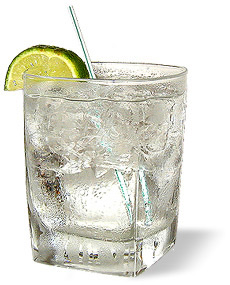 Important tip: If you’re going to screw someone out of a drink, make sure he’s not a lawyer.
Southwest Airlines learned that the hard way last week when a judge approved the settlement for the recent class action lawsuit in which Southwest screwed its Business Select ticket purchasers out of some drinks.
Apparently, the way things were (where’s Barbra Streisand when you need her?) at Southwest, if a passenger purchased tickets through their premium Business Select program, the passenger would receive drink vouchers—valued at $5 each and with no expiration date—that they could then use in-flight.
Well, all fine and dandy until the fateful date of August 1, 2010. That’s when Southwest changed the rules of the game and decided that those drink vouchers could only be used on the day of travel that was printed on the ticket. Hmm…thinking of stockpiling vouchers for that red-eye flight? Not anymore you aren’t (and you may want to hold off on popping the Ambien…)
So someone raised an eyebrow at the switcheroo in policy and that someone was an attorney: Adam Levitt (of Wolf Haldenstein Adler Freeman & Herz in Chicago).
Levitt, clearly being an ‘e pluribus unum’ kind of guy, figured he wasn’t the only one affected by the disappearing drinks act and, therefore, from the many affected one class was formed and a Southwest Airlines drink voucher class action lawsuit was filed (November 16, 2011). Levitt, it goes without saying, was the initial plaintiff in the case.
According to Business Insider, the breach of contract lawsuit settlement affects those Southwest Airlines passengers who purchased tickets prior to August 1, 2012 through the Business Select program and received drink vouchers but did not redeem them–note, the settlement does not affect passengers who earned drink vouchers via the frequent flier program Rapid Rewards.
Further, BI reports that the drink voucher settlement entitles eligible fliers to new drink vouchers—even if they no longer have the original unused vouchers—for each voucher the passenger claims they had earned but not redeemed. The settlement drink vouchers will be good for one year.
Drink voucher lawsuit class members will reportedly be notified of the settlement and how to submit a claim over the next few weeks.
Chicago attorney Joseph Siprut, who represented the ‘took the drink right out of my hands’ victims, is quoted in BI as saying, “This settlement is a grand-slam result for the class, as consumers are recovering 100 cents on the dollar.” (not a shabby recovery, btw).
It’s estimated the Southwest drink voucher settlement could cost the airline in the area of $29 million, given that there are potentially 5.8 million fliers who are part of the class, having purchased and flown Southwest via the Business Select program between October 2007 and August 2010.
Top 10 Drug Legal News Topics For 2012
December 24th, 2012. By AbiK
 LawyersandSettlements.com recently shared its list of the hottest consumer-related pharmaceutical legal news stories during the last year. Of note is that while the top drug-related topic on the legal news website in 2011 had been Tylenol—prompted by concerns over a series of Tylenol recall notices as reported by The New York Times; for 2012, the most sought out pharmaceutical topics have shifted to women’s health.
Third-generation contraceptives such as Yasmin/Yaz, NuvaRing and Mirena top the list this year as numerous birth control lawsuits either settled, or began the process of consolidation into multi-district litigation (MDL).
Reader interest in Yaz/Yasmin rose in response to Yasmin lawsuit settlements that were announced in April (In re Yasmin and Yaz (Drospirenone) Marketing, Sales Practices and Product Liability Litigation, 09-md-02100, U.S. District Court, Southern District of Illinois, East St. Louis). Bloomberg reported Bayer AG settled about 500 Yasmin lawsuits over claims of blood clots that had, in some cases, led to stroke or heart attack.
Along with Yaz, readers remained concerned about NuvaRing (etonogestrel/ethinyl estradiol) and blood clot risk even as a new study on non-oral hormonal contraception, published in the British Medical Journal (BMJ 2012;344:e2990), was presented at the annual meeting of the American College of Obstetricians and Gynecologists (May, 2012). The study, aimed at quantifying NuvaRing blood clot risk, indicated no significant difference in risk of venous thromboembolism when compared to oral contraceptives.
Still, NuvaRing lawsuits continue and have been consolidated into a federal MDL court in Missouri (In re: NuvaRing Products Liability Litigation, No. 08-md-1964, JPML, Eastern District Missouri). As of September 5, 2012, according to the U.S. Panel on Multidistrict Litigation, more than 1,000 NuvaRing lawsuits have been filed.
Mirena IUD (levonorgestrel) saw an increase in reader interest after August 2012, as Bayer Healthcare Pharmaceuticals, Inc. submitted an Application for Centralized Management of Certain Cases involving Mirena. As FoxNews reported (11/11/12), the request seeks to create a multi-district litigation (MDL) for 16 pending Mirena lawsuits in NJ that allege Mirena caused uterine perforation, infection and hemorrhaging injuries.
After the top three women’s health-related drugs, Pradaxa (dabigatran), an alternative to warfarin, joined the list this year making the Top 5. In November 2012, the FDA issued a Drug Safety Communication regarding Pradaxa bleeding events which in turn helped drive reader interest.
Thousands of LawyersandSettlements.com monthly readers have followed the latest legal news and information on these topics, many of which have fallen from the radar of traditional media outlets.
“We believe these issues are of great importance to the public, mostly due to the life-changing impact they can have on an individual,” said Stephen King, CEO. “Some of our most interesting stories of the year related to pharmaceuticals. Many of them have pending lawsuits or have had substantial settlements related to their life-altering side effects and it’s important to get this information out to the public. While many pharmaceutical companies continue to earn significant profits, people are suffering. They may think they have no recourse but in many cases they do. By keeping these topics alive, LawyersandSettlements.com is helping people stay up-to-date on these important topics every day.”
The LawyersandSettlements.com Top 10 Pharmaceutical Topics of 2012, along with the potential side effects readers were seeking information on, are:
1. Yasmin/YAZ (gall bladder disease, blood clots, deep vein thrombosis, pulmonary embolism)
2. NuvaRing & Mirena (blood clots, infection, perforation of the uterus)
3. Pradaxa (uncontrollable bleeding, lack of an available antidote)
4. Granuflo (elevated bicarbonate levels, risk for metabolic alkalosis)
5. SSRIs (birth defects including heart defects, spina bifida, cleft palate, club foot, PPHN)
6. Actos (bladder cancer, heart failure, kidney failure, rhabdomyolysis)
7. Diethylstilbestrol/DES (cancer)
8. Crestor / Statins (diabetes, cardiomyopathy, rhabdomyolysis)
9. Fosamax (bone fractures, esophageal cancer)
10. Propecia (sexual dysfunction, erectile dysfunction, sterility, prostate cancer)
LawyersandSettlements.com readers are looking for the latest and most comprehensive legal news available. Those seeking legal help can request assistance by completing a form which is then distributed to attorneys specializing in these cases. Over two and a half million people visit the site yearly, and hundreds of thousands of request forms have been submitted by qualified readers looking for legal guidance.

Find us on


Archive by Category
- Accidents (24)
- Airlines (9)
- Asbestos Mesothelioma (262)
- Automotive (25)
- Celebrity (14)
- Class Action (84)
- Complaints/Comments (15)
- Consumer Fraud (84)
- Contest (2)
- Court of Public Opinion (5)
- Crazy Sh*t Lawyers See (61)
- Criminal Law (4)
- Defective Products (111)
- DePuy ASR Hip Recall (2)
- Discrimination (22)
- Drugs/Medical (248)
- Elder Care Abuse (4)
- Emerging Issues (462)
- Employment (54)
- Environment (52)
- Financial (28)
- Food Illness (15)
- Human/Civil Rights (4)
- Insecurities (5)
- Insurance (16)
- Intellectual Property (16)
- Internet/E-commerce (19)
- lawsuits (161)
- Lawyers (20)
- Lawyers Giving Back (43)
- Lex Levity (10)
- Personal Injury (106)
- Pleading Ignorance (53)
- Real Estate (2)
- Recall (6)
- Scam (3)
- Securities (13)
- Settlement (81)
- Tort Reform (2)
- Totally Tortelicious (81)
- Veterans (11)
- Whistleblower (9)