Posts Tagged ‘ Brain Injury ’
Bret Michaels Head Injury Lawsuit Settles
May 18th, 2012. By AbiK
 Seems like ages ago now, but remember when Bret Michaels was all over the news after suffering that brain hemorrhage? Thankfully for him, his daughters and family, and Poison fans everywhere, he recovered—and we all got a glimpse of his ordeal when People magazine ran Michaels on its cover with the headline “I’m Lucky to be Alive”.
But while a hemorrhage can seemingly occur out of the blue, in Michaels case, there had been a head injury only the year before—in June, 2009. Michaels’ head injury occurred—rather publicly—during the 2009 Tony Awards, at which he and his band, Poison, were performing “Nothin’ But a Good Time”.
When the song was over, Michaels turned to leave the stage and that’s when a rather large piece of the set descended and appeared to hit Michaels in the head, knocking him down. He suffered a fractured nose and needed stitches in his lip.
Given the timing of the head injury, and then the brain hemorrhage less than a year later, Michaels filed a personal injury lawsuit in March, 2011 claiming the stage accident contributed to his life-threatening brain hemorrhage.
Both the Tony Awards and CBS were defendants in the lawsuit which alleged that the Tony Awards producers did not warn Michaels of a set change after his performance and CBS aired the accident thereby allowing it to be picked up by viewers who then made the accident go viral on sites like YouTube.
Needless to say, terms of the settlement—reached last week after a mediation session—are undisclosed. The head injury lawsuit did not specify the monetary damages being sought when Michaels filed it, however according to the Associated Press, Michaels did state that the injury hurt his ability to play at future shows.
Speaking of shows, now that Michaels is performing, fans can catch him on tour this summer–here’s list of Bret Michaels tour dates.
Swimming Accident Safety Checklist: Print & Share
June 10th, 2011. By AbiK
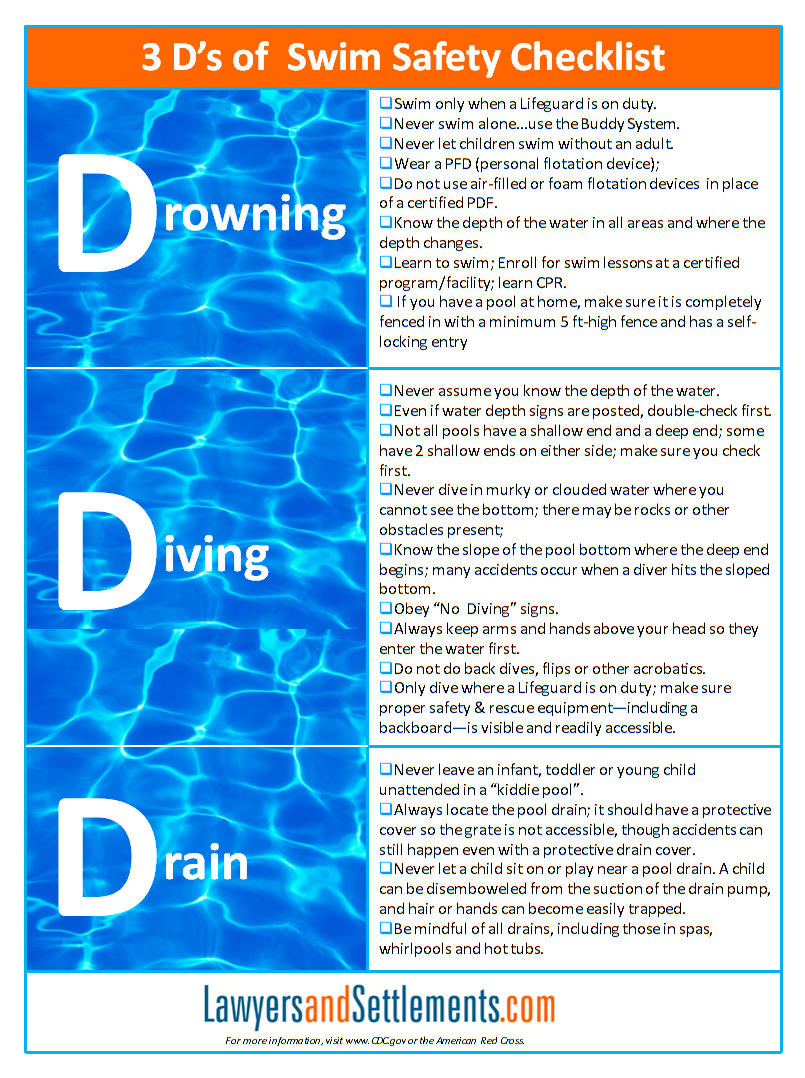
Each year, thousands are injured or die from swimming accidents: drowning, diving accidents resulting in brain injury, spinal injury, paralysis or death, and pool drain-related disembowelment or entrapment. As we begin the fun-in-the-sun season, we encourage you to print out our “3 D’s of Swim Safety Checklist” and go over it with your children. Unfortunately, many swim accidents occur when a swimmer thinks he’s familiar with a swimming area and becomes overconfident and lax about safety. A few brief moments to check in with and abide by safety rules can save a life. Enjoy the warm weather and please, swim safe this summer.
For easy download, printing and sharing this checklist is available on Scribd.com.
Football isn’t Tennis: Brain Injury Lawsuits Brew on Eve of Super Bowl
February 4th, 2011. By Hunter West

- Uh, Maybe Not. (Design: good.kv)
This Sunday’s Super Bowl is not only the biggest night in professional football, but also arguably the biggest spectacle in professional sport. Witness the gate, the viewing audience and the lucrative broadcast and advertising contracts.
When you’re watching th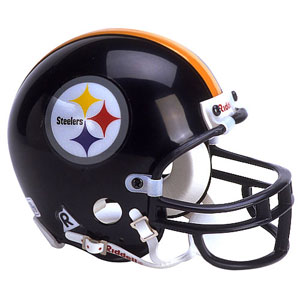 e big game this Sunday, look for the guys in the three-piece suits standing on the sidelines. No, they’re not journalists. And they won’t have headsets like the coaches do. But they will have binoculars, and notepads.
Those guys will be the lawyers—working for the teams, the league, and the players association. They’ll be watching every play, every tackle, taking notes.
They will disappear just before the Gatorade starts flying. Unless, of course somebody gets beaned in the head by the Gatorade bucket and incurs a concussion. That will bring the lawyers back for more note taking. 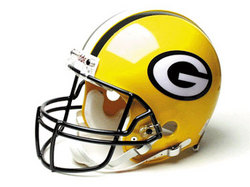
Of course, I’m taking license with reality, here. There will be no suits impeding the pending war between the Steelers and the Packers. But make no mistake: the legal Beagles are catching up with pro football…
As recently reported in publications such as the New Yorker and Slate, the National Football League (NFL) is potentially facing two class-action lawsuits brought by players alleging the NFL knew, or suppressed knowledge of the long-term neurological risks of playing football. The latter stance alleging fraud would be the most aggressive. A lesser position would be one of negligence—to wit, the league was not aware, but should have known of the dangers posed by concussions and how play according to current rules increased the risk.
As this story gains traction, a huge debate will emerge between football purists who agree that ‘football is not tennis’ and anyone who thinks otherwise is not living in reality—and advocates representing players and the medical community who feel the NFL could, and should have been doing a lot more than it has been.
The pro football purists will think the lawsuits frivolous. It’s football, for crying out loud. Of course Read the rest of this entry »
Why your Kid needs a Bike Helmet: Brain Injuries by-the-numbers
March 24th, 2010. By AbiK
 Brain Injury Reality Check #1: 1.4 million people get a blow or jolt to the head—or a penetrating head injury—that disrupts the function of the brain each year.
And that’s only the count of those who actually go and receive medical care for a traumatic brain injury (TBI).
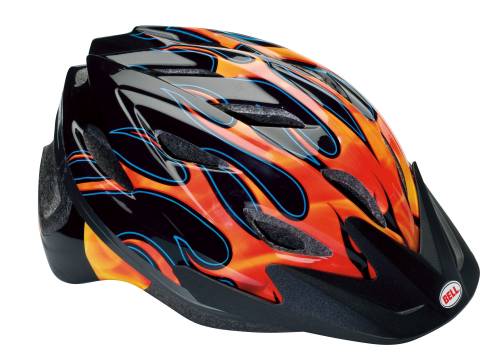
So it’s that time of year when the bikes, scooters and skateboards come out of hiding and hit the asphalt, concrete and, in many places, the potholes that come along with it. And it’s all too easy as a parent to be filled with sheer bliss as you watch the kids get out of the house and out of your hair only to realize that you didn’t dig the bike helmets out from the garage or shed…so off go the kids sans protective gear—too impatient to care about safety.
Brain Injury Reality Check #2: Of those 1.4 million traumatic brain injuries (TBI) for which the victims seek medical attention, 50,000 die.
Brain Injury Reality Check #3: Of those 1.4 million traumatic brain injuries for which the victims seek medical attention, 235,000 are hospitalized.
It doesn’t seem like such a big deal at the time—to let your kid go without his helmet just this one time. You feel a twinge of guilt, but heck, WE all rode our bikes without helmets when we were little, right? And we’re fine, right?
Brain Injury Reality Check #4: The leading cause of TBI is falls—falls account for 28% of all traumatic brain injuries.
And the two age groups at highest risk for TBI? Infants or toddlers ages 0 to 4 (think about the Read the rest of this entry »
US Troops: The Bomb was Real–maybe the Injury was, too
March 3rd, 2010. By AbiK
 Ever wonder what happens to soldiers who’ve been targeted in a roadside bombing in Iraq or Afghanistan?—and by that question I’m referring to those soldiers who live. Apparently not much happens unless there is an obvious injury. Or so one would be led to believe given the news today of a new medical policy coming from the Pentagon.
As reported at cnn.com, US troops who’ve been targeted in roadside bombings will now be pulled from duty for a 24-hour period to be monitored for headaches, memory or concentration loss, ringing ears and blurred vision—the signs of a concussion. If the soldier scores low for any of these symptoms he or she will be kept out of combat until their condition improves.
So why is this new medical policy—expected to be signed into effect within two to three weeks—happening now? Well, for one thing, a traumatic brain injury (TBI) that’s been sustained due to simply being near (definition of “near” is withing 55 yards of a blast according to the cnn.com article) a roadside bomb can go undetected only to surface months or years later. (Sound familiar to anyone with PTSD? or Gulf War Syndrome?)
If you think there aren’t too many soldiers affected by roadside bombs, think again. According to NATO’s International Security Assistance Force statistics, around 80 roadside bombs have exploded EACH WEEK in Afghanistan since June, 2009. Additionally, a 2008 RAND study indicated that as many as 300,000 US troops who’ve returned home from Iraq and Afghanistan could be suffering from traumatic brain injuries.
Pentagon officials estimate the number of troops that could be removed from duty under the new policy is about two percent.

Find us on


Archive by Category
- Accidents (24)
- Airlines (9)
- Asbestos Mesothelioma (262)
- Automotive (25)
- Celebrity (14)
- Class Action (84)
- Complaints/Comments (15)
- Consumer Fraud (84)
- Contest (2)
- Court of Public Opinion (5)
- Crazy Sh*t Lawyers See (61)
- Criminal Law (4)
- Defective Products (111)
- DePuy ASR Hip Recall (2)
- Discrimination (22)
- Drugs/Medical (248)
- Elder Care Abuse (4)
- Emerging Issues (462)
- Employment (54)
- Environment (52)
- Financial (28)
- Food Illness (15)
- Human/Civil Rights (4)
- Insecurities (5)
- Insurance (16)
- Intellectual Property (16)
- Internet/E-commerce (19)
- lawsuits (161)
- Lawyers (20)
- Lawyers Giving Back (43)
- Lex Levity (10)
- Personal Injury (106)
- Pleading Ignorance (53)
- Real Estate (2)
- Recall (6)
- Scam (3)
- Securities (13)
- Settlement (81)
- Tort Reform (2)
- Totally Tortelicious (81)
- Veterans (11)
- Whistleblower (9)