Posts Tagged ‘ Bank of America ’
BofA Customer Service Finally Proves it’s Run by Morons
July 11th, 2013. By AbiK

(Image: Twitter/@darthmarkh)
You gotta love Bank of America. On the heels of reports of debt collection harassment—and the recent Bank of America debt collection harassment class action lawsuit that was filed—BofA managed to not only inspire ire in its customers but also make a complete fool out of itself! How did it manage that, you ask? Read on…
In the age of social media-enhanced customer service (ie, have a problem with a company? Tweet it and await your response…), Bank of America is right up there with the best of them responding to customer mentions (#BofA, @BofA, etc…) of the big bank on Twitter. Well, as Gizmodo reported earlier in the week, sometimes too much monitoring for company mentions—along with what looked like either cookie-cutter automated responses or more likely complete incompetence—can make a customer service department look like a bunch of idiots. And, indeed, BofA’s customer service looked that way.
Here’s the low-down: A guy (Twitter handle=@darthmarkh) tweeted that he’d been creating some chalk art on the sidewalk out in front of a BofA location in NYC—and, might I add, he’d done a damn good job recreating the Monopoly game “go to jail” graphic (see pic above). Needless to say, the cops finally told him to stop and move along. He did, and he then tweeted about the incident with the mention of “@bankofamerica”—but his goal was to spread word of BofA’s alleged “illegal foreclosure fraud” rather than to have BofA take notice and ask if he’d like assistance.
Well, the clueless wonders over at BofA customer service reached out to @darthmarkh to find out if there was “anything they could do to help?” Seriously. (See the twitter conversation here). And, it went on to include gems like “We are here to help, listen, and learn from our customers and are glad to assist with any account related inquiries.”
And we’re so glad you are! Can you imagine the level of incompetence it takes to either respond—in person—like that, or to build an automated-response system that would generate such responses regardless of the nature of inquiry it was responding to? #EpicFail doesn’t even do this one justice.
The field day that @darthmarkh’s followers had after that was, as you can imagine, hilarious. And it should be mentioned that as of today, there hasn’t been an official response from BofA or acknowledgment of the screw-up—guess it’s better to stay mum and hope it all just creeps off everyone’s Twitter pages.
Sadly, doesn’t look like BofA has done much since the rallying cry for better customer service from CEO Brian Moynihan back in January of this year. Now, instead of looking like they’re listening to customers and ‘making it easier for customers to do business with the bank’, you have to wonder if anyone at all is actually listening—and, if they are, if they even have a brain.
Mary Watson v. Plastic: A Tale of One Pissed-Off Retailer
April 18th, 2011. By Hunter West
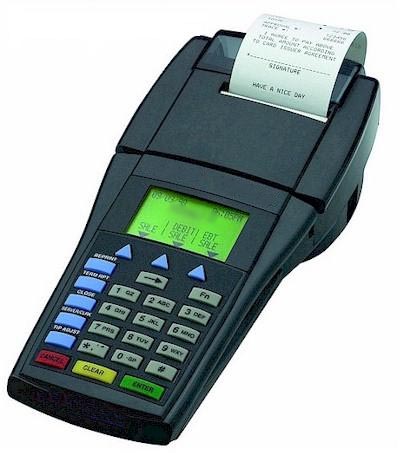 We’ve been ticked off at credit card companies for a long time, haven’t we? The high interest rates, the late-payment fees, and the propensity to jack up the rates at the drop of a hat. Congress finally called the credit card companies to the carpet and forced them to reign in some of their practices—although critics have always maintained there will be other ways found to make up for any lost revenue.
And that’s just for us—the schmucks who use credit cards. What about the merchants?
Well, according to a proposed class action lawsuit filed Monday in Canada, merchants aren’t happy with the status quo, either…
Mary Watson is a retailer who operates a furniture store in British Columbia. She has since 1990. And like most merchants who sell big-ticket items, she can understand that most people would rather use plastic to buy that pricey leather sofa, than pull out a wad of hundred-dollar bills.
No, she’s okay with that. What Mary is upset about are all the fees charged to her business when a consumer uses plastic. The fees are hard to track. What’s more, she’s not allowed to promote, or suggest that her customers use an alternative form of payment, such as cash or debit.
She’s not exactly required to suggest her customers use their credit cards. But at the same time, Read the rest of this entry »
Homeowners Latest Grind: Foreclosure Mills
October 28th, 2010. By LucyC
 It seems that the banks just can’t stay out of the news these days—for all the wrong reasons. In addition to claims that they charge excessive fees and suspect overdraft charges, several banks are now facing lawsuits filed by emboldened homeowners, presumably with nothing left to lose, over their foreclosure procedures. And it looks like the homeowners may just have grounds.
Case in point, Bank of America (BoFA) was hit with a class action lawsuit in New Jersey last week by homeowners who allege the lender disregarded foreclosure process rules. Earlier this month BoFA imposed a nationwide moratorium on foreclosures and the sale of foreclosed homes after a government agency told BoFA it was worried about documentation problems.
Documentation problems? Read on…
It seems the banks have been hiring so-called “robo signers” or “affidavit slaves”—employees who literally sign hundreds of foreclosure documents a day, according to the Wall Street Journal, without carefully reviewing their contents. The Washington Post recently ran a story on a man who has signed as many as 10,000 foreclosure documents in one month. And, the suit brought against BoFA cites a statement made by a bank official in a Massachusetts foreclosure case who admitted signing thousands of foreclosure complaints without reviewing them.
Keep in mind that these people’s signatures—robo signers’ signatures—act as witness to the Read the rest of this entry »
What’s Got You Annoyed? Take a Look…
June 28th, 2010. By AbiK
I have this little Monday morning ritual where I take a look at all the comments and claims that come in to LawyersAndSettlements.com over the weekend. Seems that’s when a lot of folks allow themselves a moment or two to think about what’s really pissing them off. Things like defective products, denied insurance claims, whatever. But there are always a few topics that folks write in about that seem to hit a common nerve (or, shall I say, that proverbial last nerve?).
So just in case you were wondering, here are some things that have you annoyed today…
- GM Saturn transmissions
- Hyundai Tiburon clutch issues
- Overtime Pay (or the lack thereof)
- Trex Decks–things like mold growth and surface “flaking”
- Bank of America
- BP Oil Spill
- CertainTeed roof shingles
- Citizens Bank
- PRA LLC (debt collection)
- Amiodarone (heart medicine)
Ok folks—I know I must be missing some here—so feel free to add to the list. Oh, and for the record, health insurance companies are what’s pissing me off today. Try this one on for size: I just received a Statement of Benefits that’s indicates my “Group” is an employer I haven’t worked for in five years—and yes, my medical provider had the correct insurance plan information. So what do you think happened to the claim? DENIED.
Bank Overdraft Fees…Legal Robbery?
October 5th, 2009. By LucyC
 Ever been hit by your bank with surprise overdraft fees, sometimes totalling more than the actual debit itself? You know—you make a $3 purchase on debit, and the bank takes an additional $30 as an overdraft fee for processing the debit instead of returning it NSF—which would also have cost you money. (So where’s the protection?)
That practice, of being “enrolled” in overdraft protection programs without the bank actually contacting you, may be coming to an end, thanks in part to lawsuits. One woman in Baltimore recently filed an overdraft fees lawsuit, which is seeking class action status, against M&T Bank in Maryland, alleging the bank’s overdraft programs are in violation of the state’s consumer protection laws.
What’s her beef? $370 in overdraft fees. She was reportedly overdrawn twice in a 12-month period: a $12.08 charge for lunch triggered a $37 overdraft fee. And something similar happened again the following year. Maxine Given, the plaintiff, is a senior director of finance and administration for the Fund for Johns Hopkins Medicine. In order to dispute the fees with her bank she had to take time off work.
Umm, just so we’re clear—the bank didn’t need Given’s permission to take money out of her account—but did require her to come down to the bank in person with questions about the withdrawals? Read the rest of this entry »

Find us on


Archive by Category
- Accidents (24)
- Airlines (9)
- Asbestos Mesothelioma (262)
- Automotive (25)
- Celebrity (14)
- Class Action (84)
- Complaints/Comments (15)
- Consumer Fraud (84)
- Contest (2)
- Court of Public Opinion (5)
- Crazy Sh*t Lawyers See (61)
- Criminal Law (4)
- Defective Products (111)
- DePuy ASR Hip Recall (2)
- Discrimination (22)
- Drugs/Medical (248)
- Elder Care Abuse (4)
- Emerging Issues (462)
- Employment (54)
- Environment (52)
- Financial (28)
- Food Illness (15)
- Human/Civil Rights (4)
- Insecurities (5)
- Insurance (16)
- Intellectual Property (16)
- Internet/E-commerce (19)
- lawsuits (161)
- Lawyers (20)
- Lawyers Giving Back (43)
- Lex Levity (10)
- Personal Injury (106)
- Pleading Ignorance (53)
- Real Estate (2)
- Recall (6)
- Scam (3)
- Securities (13)
- Settlement (81)
- Tort Reform (2)
- Totally Tortelicious (81)
- Veterans (11)
- Whistleblower (9)