Food Illness Archive
Foster Farms Apologizes for Salmonella, but why wasn’t there a Recall?
November 6th, 2013. By AbiK
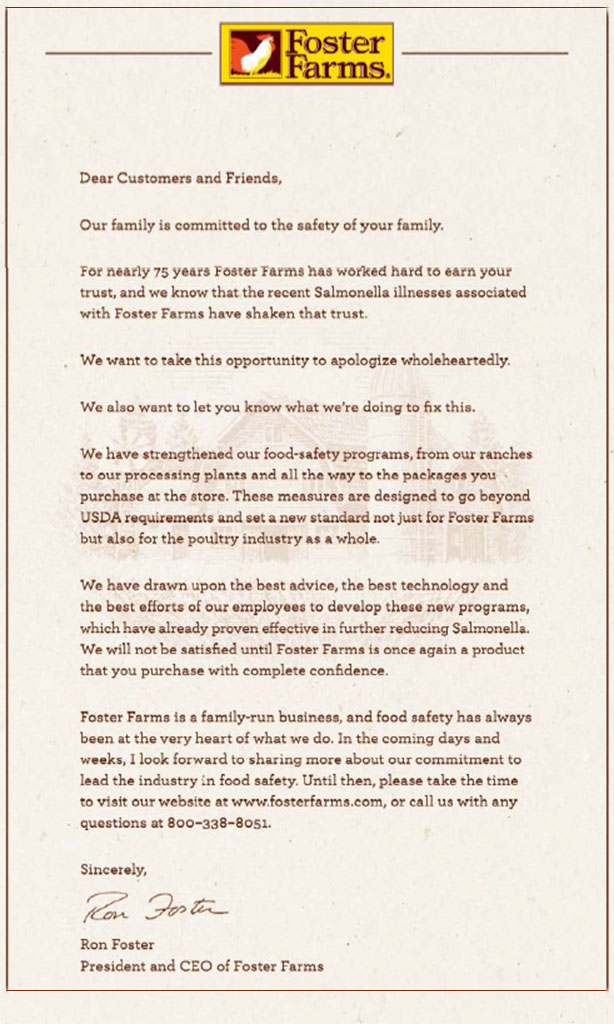
Foster Farms CEO Ron Foster sent out this full-page ad apology regarding the recent salmonella outbreak brought on by his company’s chicken. However, while there was a health alert issued by the CDC, reports of over 360 salmonella cases in 21 states, Costco’s been pulling the chicken off their shelves, and now the salmonella lawsuits are starting to roll in, Foster Farms did not issue a voluntary recall for the chicken. So the question remains: why?
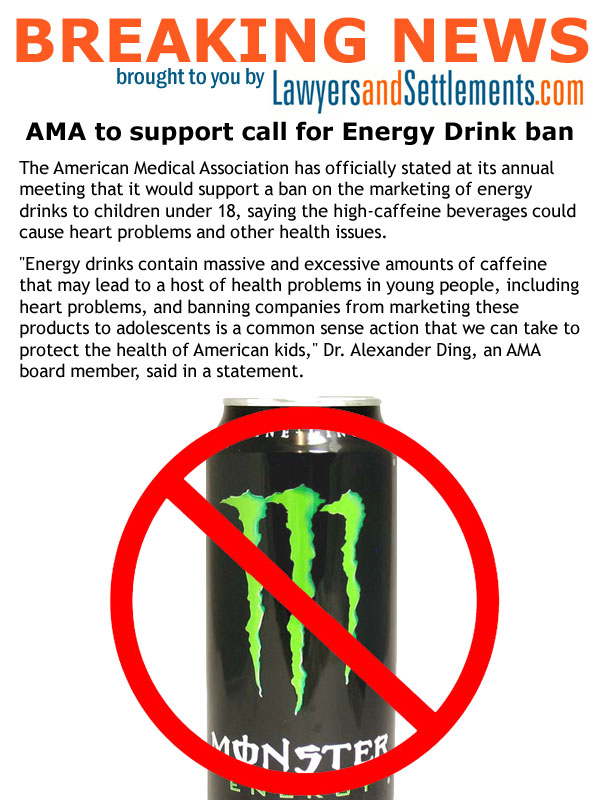
Under 18 Energy Drink Ban Gets AMA Support
June 19th, 2013. By AbiK
Law News For You: Energy Drink ER Trips Skyrocket
June 18th, 2013. By AbiK
KFC: Hoax Or We Do Chicken Raw? Nasty Pic Looks Like Salmonella To Go
September 18th, 2012. By AbiK
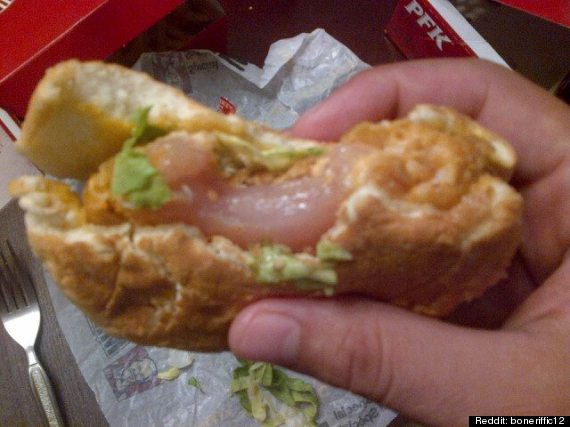 It’s bad enough when mango or cantaloupe recalls are on just about every salmonella email alert. But this photo of a KFC chicken sandwich allegedly served up raw in Ontario is quite another thing, and it’s pretty nasty.
Now, we do not have confirmation that this did, indeed, happen—the image originally posted on Reddit user boneriffic12‘s page a few days ago. And it’s making the internet rounds having been picked up by HuffPo and Q13 Fox out of Seattle. The pic was posted with this message:
“Fried Chicken #FAIL. My friend ordered a chicken burger from KFC & it came back raw. Yes he ate that bite that’s missing.”
So hoax or horror, you be the judge for now.
What it does bring to mind, however, is the recent case of the little Australian girl who had allegedly suffered brain damage as a result of salmonella poisoning stemming from a KFC chicken wrap sandwich she had eaten. The girl, Monika Samaan was just 7 years old when she ate a chicken wrap purchased at a KFC in Australia in 2005. She was hospitalized in serious condition and spent months in a coma. The judge ruled in favor of the victim, awarding her 8 million Australian dollars.
KFC has said it will appeal the judge’s decision.
And, in the midst of all this, just last week WFAA-TV (Dallas/Fort Worth) published an investigation they did regarding reports of spoiled chicken meat—the reports were coming from KFC employees, not patrons. Apparently, some of the KFC workers had noticed a “stench” coming from the walk-in cooler which housed the raw chicken meat. According to the workers, KFC has a policy that raw meat must be used within 10 days of being killed; however, workers claimed that some meat was still being cooked—and served—after sitting for up to 16 days.
The Conroe KFC is a franchise owned by Tem-Kil, Inc. Both Tem-Kil and KFC declined to speak on-camera with WFAA’s I-Team, but both, no surprise, expressed their commitment to high food safety standards. KFC also shut down the Conroe outlet for a week to investigate the charges and to provide additional food safety training to workers there.
Since the reopening of the Conroe KFC, health inspectors have visited the restaurant and did not find any food safety violations.
UPDATE: (9/18/12) We received this email from Doug Hernandez—the guy who holding the chicken in the picture above. Here’s what he had to say:
The KFC chicken sandwich that you posted on your site is actually my picture, and it is a real picture unfortunately. I did not think that it was going to get this much attention until my friend Greg mentioned that he had posted it on reddit.com.
The incident actually happened on August 31st, I originally filled out the feedback form on KFC’s website, but did not get a call or email. I posted the picture on the KFC Canada Facebook page, and got a response from them asking that I call the 1-800 number. I did and they filed a report and said they would be in touch with me. I have not heard back from them yet, that was on September 4th. I hope they will be getting back to me soon. That’s all I have on this so far for an update.
Guess we’ll see what happens…
Government Audit of FDA Food Oversight Not Pretty
July 26th, 2011. By Hunter West
 The Obama Administration has tried to beef up the FDA (US Food and Drug Administration). Give it more authority, and more autonomy.
But it’s too little, too late. And the law that the President signed in January, giving the FDA the power to mandate food recalls (it didn’t in the past???) has yet to be implemented and can’t be enforced until they figure out how.
Sorry, but I always thought the FDA was the prescription drug police, the overseer of our food chain and the watchdog over medical devices. Cross that watchdog and look out. Pushing the envelope and dissing the regulator might get you a warning if you’re lucky. Chances are, if you’re a pharmaceutical company, or a food supplier and you screw up—you WILL find yourself in the FDA slammer.
In our dreams…
It comes as no surprise that a recent government review of serious food recalls reveals that the FDA is dropping the ball on its responsibility for protecting the nation’s food supply.
And in so doing, protecting us.
According to a CNN report last week, the Department of Health and Human Safety Services (HHS) reviewed 17 Read the rest of this entry »

Find us on


Archive by Category
- Accidents (24)
- Airlines (9)
- Asbestos Mesothelioma (262)
- Automotive (25)
- Celebrity (14)
- Class Action (84)
- Complaints/Comments (15)
- Consumer Fraud (84)
- Contest (2)
- Court of Public Opinion (5)
- Crazy Sh*t Lawyers See (61)
- Criminal Law (4)
- Defective Products (111)
- DePuy ASR Hip Recall (2)
- Discrimination (22)
- Drugs/Medical (248)
- Elder Care Abuse (4)
- Emerging Issues (462)
- Employment (54)
- Environment (52)
- Financial (28)
- Food Illness (15)
- Human/Civil Rights (4)
- Insecurities (5)
- Insurance (16)
- Intellectual Property (16)
- Internet/E-commerce (19)
- lawsuits (161)
- Lawyers (20)
- Lawyers Giving Back (43)
- Lex Levity (10)
- Personal Injury (106)
- Pleading Ignorance (53)
- Real Estate (2)
- Recall (6)
- Scam (3)
- Securities (13)
- Settlement (81)
- Tort Reform (2)
- Totally Tortelicious (81)
- Veterans (11)
- Whistleblower (9)