

LAWSUITS NEWS & LEGAL INFORMATION
Avandia Linked to Heart Attacks
Read our Avandia FAQ
Were you looking for Actos lawsuits?
Avandia (rosiglitazone maleate) is a GlaxoSmithKline (GSK) drug developed to treat type 2 diabetes mellitus. First approved by the FDA in 1999, the agency reported eight years later a significant increase in the risk of heart attack in those patients to whom Avandia had been prescribed. And many deaths have been linked to Avandia. More recently, two independent studies showed that bone fractures, particularly in female patients, have been associated with this popular diabetes drug, while a third study has found a link between Avandia and liver failure.
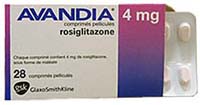 Avandia works by reducing insulin resistance and helping the body use the insulin it produces. Approximately 21 million Americans suffer from diabetes, a disease responsible for nearly 300,000 deaths every year. In 2006 almost four million people in the US took Avandia. This diabetes medication was designed to replace Rezulin, a similar drug that was pulled from the market in 2000 after studies revealed it causes severe liver failure. At that time, the FDA conducted studies to test the effects of Avandia and concluded it did not carry the same risks associated with Rezulin.
Now, ongoing evidence suggests that this popular diabetes drug can do a great deal of harm. Safety concerns and side effects that have been associated with Avandia include the following:
Heart Attack and Death
In May 2007 the FDA announced that information obtained from clinical trials demonstrated that Avandia has the potential to increase the possibility of heart attack by 43 percent and may increase fatalities from general heart disease by 64 percent. Reports have found an increase of heart problems and congestive heart failure in particular occurring as a result of using Avandia.
While Avandia has had much of the media attention recently, Actos--another type 2 diabetes medication--had an increased warning placed on its label by the FDA. The new label indicated the link between Actos and congestive heart failure. Patients who are taking Actos and are concerned about Actos side effects can find more Actos news and Actos lawsuit information here. Additionally, visit our Actos FAQ page for frequently asked questions about Actos.
Bone Fractures
Recent studies have shown that the risk of bone fractures in patients taking Avandia may be almost twice that of those not prescribed the drug. For those who have been taking Avandia for more than two years, the risk of bone fracture is nearly tripled.
In April 2008 the Archives of Internal Medicine determined that patients who had been prescribed Avandia for at least twelve months were almost twice as likely to suffer a bone fracture as those who did not take the drug. More disturbingly, among patients who had treated their diabetes with Avandia for at least two years, bone-fracturing levels had almost tripled.
In another report, The Canadian Medical Association Journal determined that female patients undergoing long-term treatment could double their risk of bone fracture. The study reviewed 10 previous clinical trials, and for every 20 women in their 70s with type 2 diabetes who took the drugs for at least one year, one has a chance of suffering a fracture. In women in their mid-50s, the figure equals one fracture in every 55 women. That's more than double the normal risk for those age groups.
Liver Failure
A study recently published in the journal Pharmacoepidemiology and Drug Safety (July 22, 2009) has reportedly found a link between the use of Avandia and a risk of liver failure. The study, conducted by researchers from the public advocacy group Public Citizen, found that 11 deaths due to liver failure were reported to the FDA in patients who used Avandia. Those deaths occurred between 1997 and 2006. Public Citizen notes that because of a low incidence of adverse event reporting to the FDA, the actual incidence of liver failure in Avandia patients is more likely around 1 in 44,000 patients.
Avandia History
On June 28, 2001 the FDA requested that GSK discontinue distribution of misleading informational materials that minimized the alleged risks of Avandia.
In April 2002, the FDA sent a letter to healthcare providers telling them of changes in the Avandia warning label that now would include the possibility of excess fluid retention and congestive heart failure.
In December 2002, the FDA again asked GSK to revise their warning label to include reports of unusual, rapid increases in weight.
In 2003, a study published in the September 9 issue of the Mayo Clinic Proceedings reported that congestive heart failure can occur in Avandia patients. Already known to cause fluid accumulation, Avandia is being discouraged from use amongst anyone with a history of congestive heart failure or chronic renal insufficiency.
A report in 2008 stated that a government-run diabetes trial involving 10,000 patients was halted 18 months early after a safety analysis revealed an increased risk of death in patients whose blood sugar levels dipped too low.
Avandia Lawsuits
The Wall Street Journal reported in June 2007 that a class-action shareholder lawsuit was filed against GlaxoSmithKline, arguing that the company failed to disclose the heart attack risk that may be associated with Avandia. One month previously, the New England Journal of Medicine published an analysis suggesting that Avandia increases the risk of heart attack. And Glaxo itself had already compiled a similar analysis, which also showed a potential danger. However, the findings weren't reflected on the US label, which is supposed to give a comprehensive review of the drug's risks.
Meanwhile, hundreds of drug safety cases are being filed against Avandia as a result of life-threatening side effects.
In May 2011, South Carolina filed a lawsuit against GlaxoSmithKline, alleging the company misled consumers about potential Avandia side effects. According to the lawsuit, GlaxoSmithKline was negligent in claiming that Avandia did not increase the risk of heart problems. The prosecutor alleges that GlaxoSmithKline knew or should have known that Avandia would not reduce the risk of cardiovascular events in diabetics and that its marketing was therefore misleading. GlaxoSmithKline said it stands behind the medication and Avandia marketing.
Although Avandia has repeatedly been in the spotlight for the controversy surrounding its use, it remains a blockbuster drug for manufacturer GlaxoSmithKline and it remains on the market. Researchers have determined that Avandia needs stronger warnings about potential side effects.
Last updated on
En Español AVANDIA PROBLEMAS DE CARDIACAS
FREE AVANDIA LAWSUIT EVALUATION
Send your Avandia claim to a lawyer who will review your claim at NO COST or obligation.
GET LEGAL HELP NOW
GET LEGAL HELP NOW
Avandia Associated with Bone Fractures, Heart Attack, and Death
Avandia works by reducing insulin resistance and helping the body use the insulin it produces. Approximately 21 million Americans suffer from diabetes, a disease responsible for nearly 300,000 deaths every year. In 2006 almost four million people in the US took Avandia. This diabetes medication was designed to replace Rezulin, a similar drug that was pulled from the market in 2000 after studies revealed it causes severe liver failure. At that time, the FDA conducted studies to test the effects of Avandia and concluded it did not carry the same risks associated with Rezulin.
Now, ongoing evidence suggests that this popular diabetes drug can do a great deal of harm. Safety concerns and side effects that have been associated with Avandia include the following:
- hypersensitivity
- cardiac failure
- hepatic impairment
- macular oedema
- bone fracture
Heart Attack and Death
In May 2007 the FDA announced that information obtained from clinical trials demonstrated that Avandia has the potential to increase the possibility of heart attack by 43 percent and may increase fatalities from general heart disease by 64 percent. Reports have found an increase of heart problems and congestive heart failure in particular occurring as a result of using Avandia.
While Avandia has had much of the media attention recently, Actos--another type 2 diabetes medication--had an increased warning placed on its label by the FDA. The new label indicated the link between Actos and congestive heart failure. Patients who are taking Actos and are concerned about Actos side effects can find more Actos news and Actos lawsuit information here. Additionally, visit our Actos FAQ page for frequently asked questions about Actos.
Bone Fractures
Recent studies have shown that the risk of bone fractures in patients taking Avandia may be almost twice that of those not prescribed the drug. For those who have been taking Avandia for more than two years, the risk of bone fracture is nearly tripled.
In April 2008 the Archives of Internal Medicine determined that patients who had been prescribed Avandia for at least twelve months were almost twice as likely to suffer a bone fracture as those who did not take the drug. More disturbingly, among patients who had treated their diabetes with Avandia for at least two years, bone-fracturing levels had almost tripled.
In another report, The Canadian Medical Association Journal determined that female patients undergoing long-term treatment could double their risk of bone fracture. The study reviewed 10 previous clinical trials, and for every 20 women in their 70s with type 2 diabetes who took the drugs for at least one year, one has a chance of suffering a fracture. In women in their mid-50s, the figure equals one fracture in every 55 women. That's more than double the normal risk for those age groups.
Liver Failure
A study recently published in the journal Pharmacoepidemiology and Drug Safety (July 22, 2009) has reportedly found a link between the use of Avandia and a risk of liver failure. The study, conducted by researchers from the public advocacy group Public Citizen, found that 11 deaths due to liver failure were reported to the FDA in patients who used Avandia. Those deaths occurred between 1997 and 2006. Public Citizen notes that because of a low incidence of adverse event reporting to the FDA, the actual incidence of liver failure in Avandia patients is more likely around 1 in 44,000 patients.
Avandia History
On June 28, 2001 the FDA requested that GSK discontinue distribution of misleading informational materials that minimized the alleged risks of Avandia.
In April 2002, the FDA sent a letter to healthcare providers telling them of changes in the Avandia warning label that now would include the possibility of excess fluid retention and congestive heart failure.
In December 2002, the FDA again asked GSK to revise their warning label to include reports of unusual, rapid increases in weight.
In 2003, a study published in the September 9 issue of the Mayo Clinic Proceedings reported that congestive heart failure can occur in Avandia patients. Already known to cause fluid accumulation, Avandia is being discouraged from use amongst anyone with a history of congestive heart failure or chronic renal insufficiency.
A report in 2008 stated that a government-run diabetes trial involving 10,000 patients was halted 18 months early after a safety analysis revealed an increased risk of death in patients whose blood sugar levels dipped too low.
Avandia Lawsuits
The Wall Street Journal reported in June 2007 that a class-action shareholder lawsuit was filed against GlaxoSmithKline, arguing that the company failed to disclose the heart attack risk that may be associated with Avandia. One month previously, the New England Journal of Medicine published an analysis suggesting that Avandia increases the risk of heart attack. And Glaxo itself had already compiled a similar analysis, which also showed a potential danger. However, the findings weren't reflected on the US label, which is supposed to give a comprehensive review of the drug's risks.
Meanwhile, hundreds of drug safety cases are being filed against Avandia as a result of life-threatening side effects.
In May 2011, South Carolina filed a lawsuit against GlaxoSmithKline, alleging the company misled consumers about potential Avandia side effects. According to the lawsuit, GlaxoSmithKline was negligent in claiming that Avandia did not increase the risk of heart problems. The prosecutor alleges that GlaxoSmithKline knew or should have known that Avandia would not reduce the risk of cardiovascular events in diabetics and that its marketing was therefore misleading. GlaxoSmithKline said it stands behind the medication and Avandia marketing.
Although Avandia has repeatedly been in the spotlight for the controversy surrounding its use, it remains a blockbuster drug for manufacturer GlaxoSmithKline and it remains on the market. Researchers have determined that Avandia needs stronger warnings about potential side effects.
Avandia Legal Help
If you or a family member have used Avandia and have suffered a heart attack or liver damage after taking Avandia, please click the link below to send your complaint to a lawyer who will review your claim at no cost or obligation.Last updated on
AVANDIA LEGAL ARTICLES AND INTERVIEWS
FDA Eases Warnings For Avandia
GSK to Face Avandia Racketeering Class Action Lawsuits

Testimony against Takeda in Actos Lawsuit Alleges Profits Put before Patients

November 29, 2013
Earlier this week, the US Food and Drug Administration (FDA) announced it is requiring the removal of certain restrictions on prescribing and use of the diabetes drug Avandia (rosiglitazone). The move is designed to reflect new information regarding the cardiovascular risk of the medicine. The FDA states that their actions are consistent with the recommendations of expert advisory committees. READ MORE
GSK to Face Avandia Racketeering Class Action Lawsuits
October 29, 2013
GlaxoSmithKline (GSK) LLC is facing three federal racketeering class actions, alleging the pharmaceutical company concealed the risk of adverse cardiovascular effect associated with its diabetes drug Avandia, and that it duped health benefit payors into covering the expensive prescriptions. In her ruling, US District Judge Cynthia M. Rufe refused to dismiss claims from three union benefit funds under the Racketeer Influenced and Corrupt Organizations (RICO) Act. READ MORE
Testimony against Takeda in Actos Lawsuit Alleges Profits Put before Patients
July 28, 2013
A recent Actos bladder cancer lawsuit alleged that officials at Takeda Pharmaceutical Co., put profits ahead of patient safety when it came to Actos side effects. Testimony at the lawsuit, which was heard in March 2013, alleged the company was against including a bladder cancer warning on the Actos label. The Actos lawsuit resulted in a $6.5 million award to the victim, which was later overturned by the judge. READ MORE
READ MORE Drugs/Medical Settlements and Legal News
READER COMMENTS
TLMILES
on
North Carolina
on
Tennessee
on
Arizona
on
North Carolina
on
North Carolina
on
Michigan
on
Texas
on
California
on
Indiana
on
Arkansas
on
Arizona
on
Wisconsin
on
California
on
Ontario
on
New Jersey
on
North Carolina
on
I was put on Social Security Disability in 2005 for a combination of complications from diabetes including heart disease.
The symptoms never went away. I was operated on in March of 2007 and had a quadruple bypass with some areas of my heart damaged and nothing can be done for those damaged areas. I was told that I will eventually have a heart attack that I may or may not survive. No one will say that it is from the Avandia, only that it is from the diabetes.
New York
on
I was the one who alerted both my endocrinologist and cardiologist about the recent studies of Avandia and Actos.
My endocrinologist told me "if you have a history of heart failure, stop taking Actos". Trouble is, Actos came before the heart failure!
If you begin a lawsuit on Actos, please advise me.
New Jersey
on
Maryland
on
Texas
on
Massachusetts
on
I was perscribed Avandia in approximately October 2005 and in about 30 days I had symptoms of congestion and weakness in all areas of my body. No one would tell me what was wrong, until January 2006. February 3, 2006 I was again hospitalised for quadrupal by-pass.
Tennessee
on